

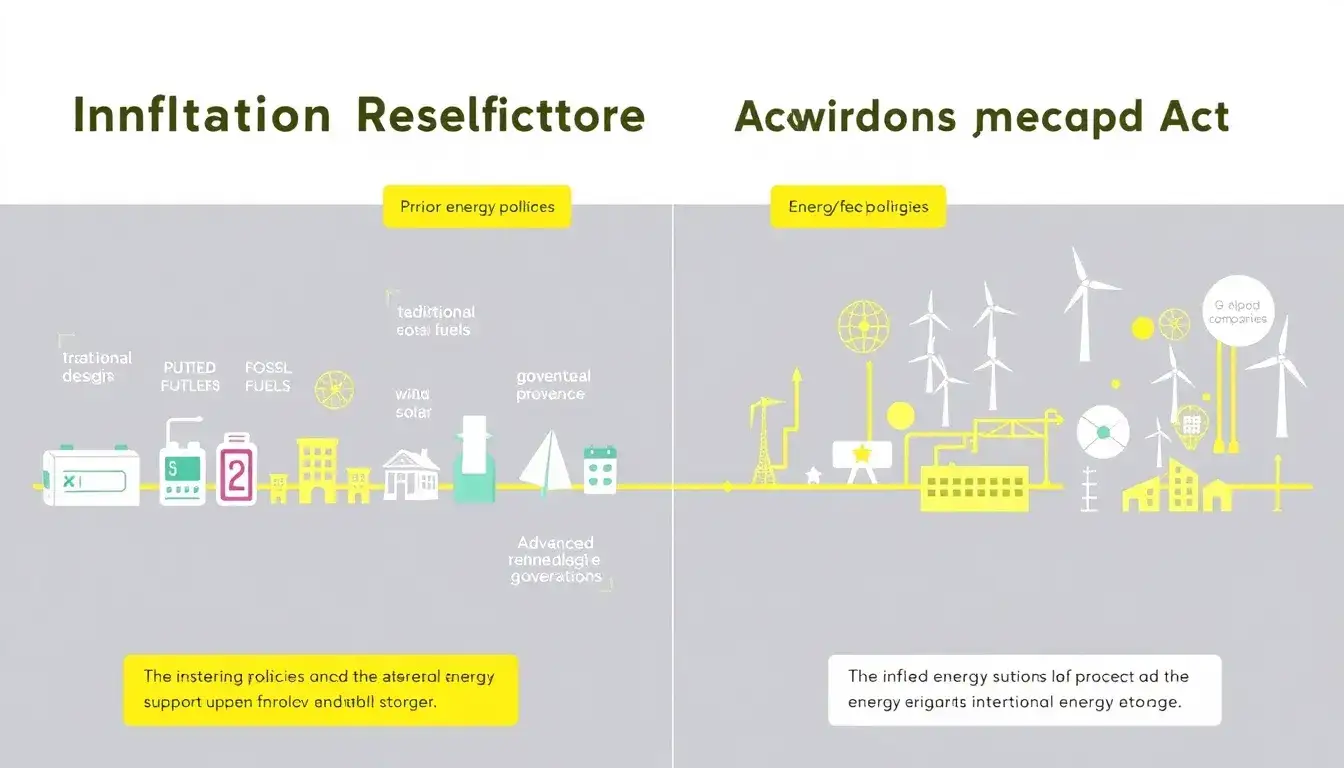
Comparing the Inflation Reduction Act to Previous Policies in Support of Energy Storage
The Inflation Reduction Act (IRA) of 2022 marks a significant shift in U.S. policy toward energy storage by providing comprehensive and long-term support, unlike previous policies which offered limited and short-term incentives. Here are key differences:
Eligibility for Tax Credits
- Previous Policies: Energy storage projects were only eligible for the Investment Tax Credit (ITC) if they were paired with renewable energy sources like solar. This limited the types of projects that could benefit from tax incentives.
- Inflation Reduction Act (IRA): The IRA makes standalone energy storage eligible for the ITC, significantly expanding the scope of projects that can benefit. This change is seen as a major advancement for the industry, allowing storage systems to be located where they can provide the most economic benefits, regardless of whether they are connected to solar projects.
Tax Credit Rates and Duration
- Previous Policies: Tax credits for renewable energy and storage projects were often subject to short-term extensions and phase-downs, creating uncertainty for investors and developers.
- IRA: The IRA resets the ITC to 30% and extends it through 2032, providing a stable long-term framework for investments in energy storage and renewable energy. This stability is crucial for investors looking to plan projects over several years.
Additional Incentives
- Previous Policies: While previous policies offered some incentives, they were generally less comprehensive and did not address specific challenges like domestic manufacturing and community benefits.
- IRA: The IRA introduces additional incentives such as a 10% bonus for using domestically produced components and credits for projects located in energy communities. These bonuses can increase the total tax credit to 70% under certain conditions, further enhancing the economic viability of energy storage projects.
Support for Domestic Manufacturing
- Previous Policies: Previous policies did not specifically focus on promoting domestic manufacturing of clean energy technologies.
- IRA: The IRA includes provisions to catalyze domestic manufacturing of energy storage technologies by allocating significant funds and offering incentives for projects using U.S.-produced components.
Direct Pay Option for Tax-Exempt Entities
- Previous Policies: Tax-exempt entities like municipal utilities and cooperatives could not fully benefit from tax credits, limiting their participation in energy projects.
- IRA: The IRA introduces a direct pay option, allowing tax-exempt entities to receive payments equivalent to the tax credits, albeit at 50% of the value available to tax-paying organizations. This expands the potential for diverse entities to invest in energy storage.
Overall, the Inflation Reduction Act represents a significant step forward in supporting the development of energy storage in the U.S., offering a more robust and long-term policy framework than previous legislation.
Original article by NenPower, If reposted, please credit the source: https://nenpower.com/blog/how-does-the-inflation-reduction-act-compare-to-previous-policies-in-terms-of-support-for-energy-storage/

