

Impact of Grid Electricity Mix on PHEV Emissions
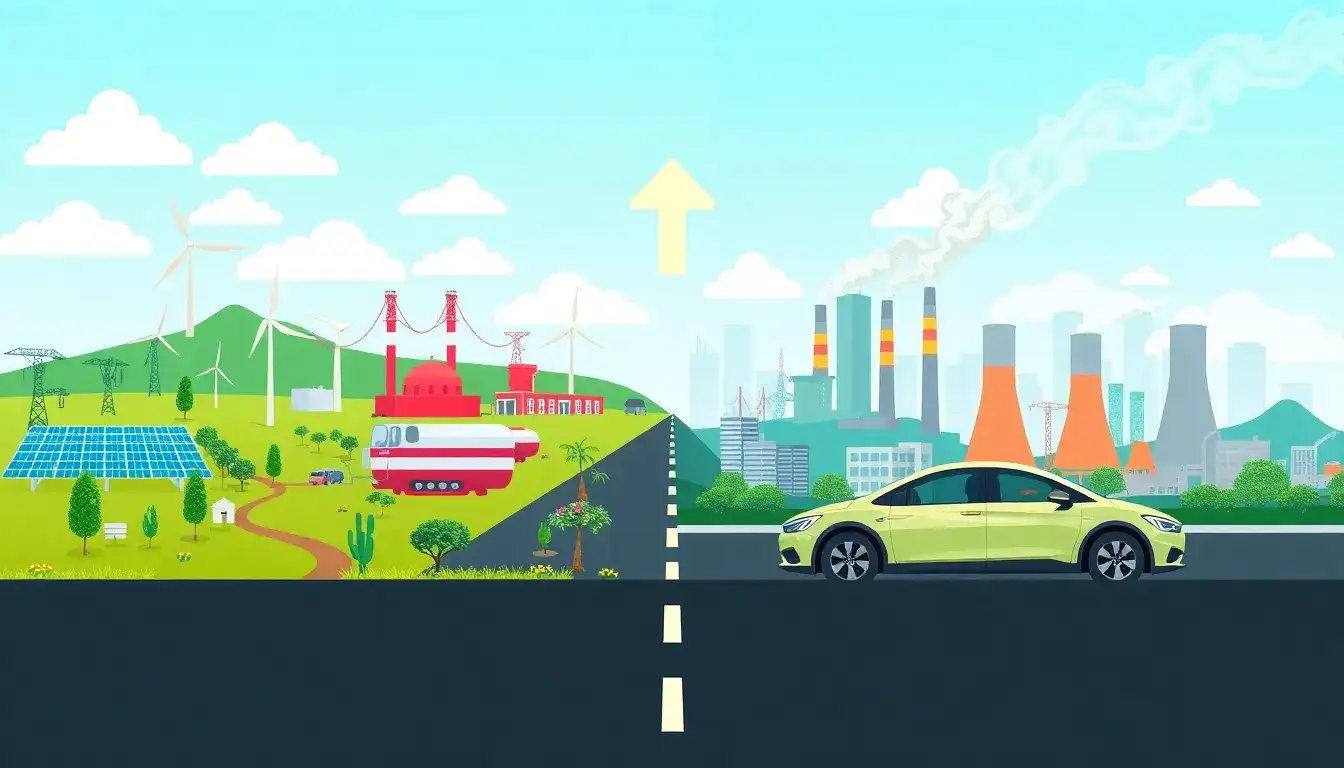
- Emissions Reduction Potential: PHEVs produce no tailpipe emissions when operating in all-electric mode. However, the overall emissions benefits depend on the source of the electricity used to charge them. In regions where the electricity is generated primarily from renewable sources like wind or solar, PHEVs can significantly reduce greenhouse gas emissions compared to conventional gasoline-powered vehicles.
- Variability in Emissions Savings: The emissions savings of PHEVs are not uniform across different regions. In areas where the grid relies heavily on coal or natural gas, the life cycle emissions of PHEVs may not be as low as those in regions with cleaner energy sources. This variability means that the emissions benefits of PHEVs are highly dependent on the local electricity mix.
- Role of Vehicle-to-Grid (V2G) Services: PHEVs can also contribute to grid efficiency by providing V2G services such as energy storage and spinning reserves. This can help optimize electricity generation, potentially reducing emissions from power plants by enabling more efficient use of renewable energy sources and reducing peak demand.
- Comparison with All-Electric Vehicles: While all-electric vehicles (BEVs) offer similar emissions benefits when powered by clean energy, PHEVs provide flexibility by combining electric and gasoline modes. They are particularly advantageous in scenarios where charging infrastructure is limited or when longer trips require gasoline.
In summary, the grid electricity mix is crucial for maximizing the emissions benefits of PHEVs. Regions with cleaner energy sources offer the greatest potential for emissions reduction.
Original article by NenPower, If reposted, please credit the source: https://nenpower.com/blog/how-does-the-grid-electricity-mix-impact-the-emissions-benefits-of-phevs/

