

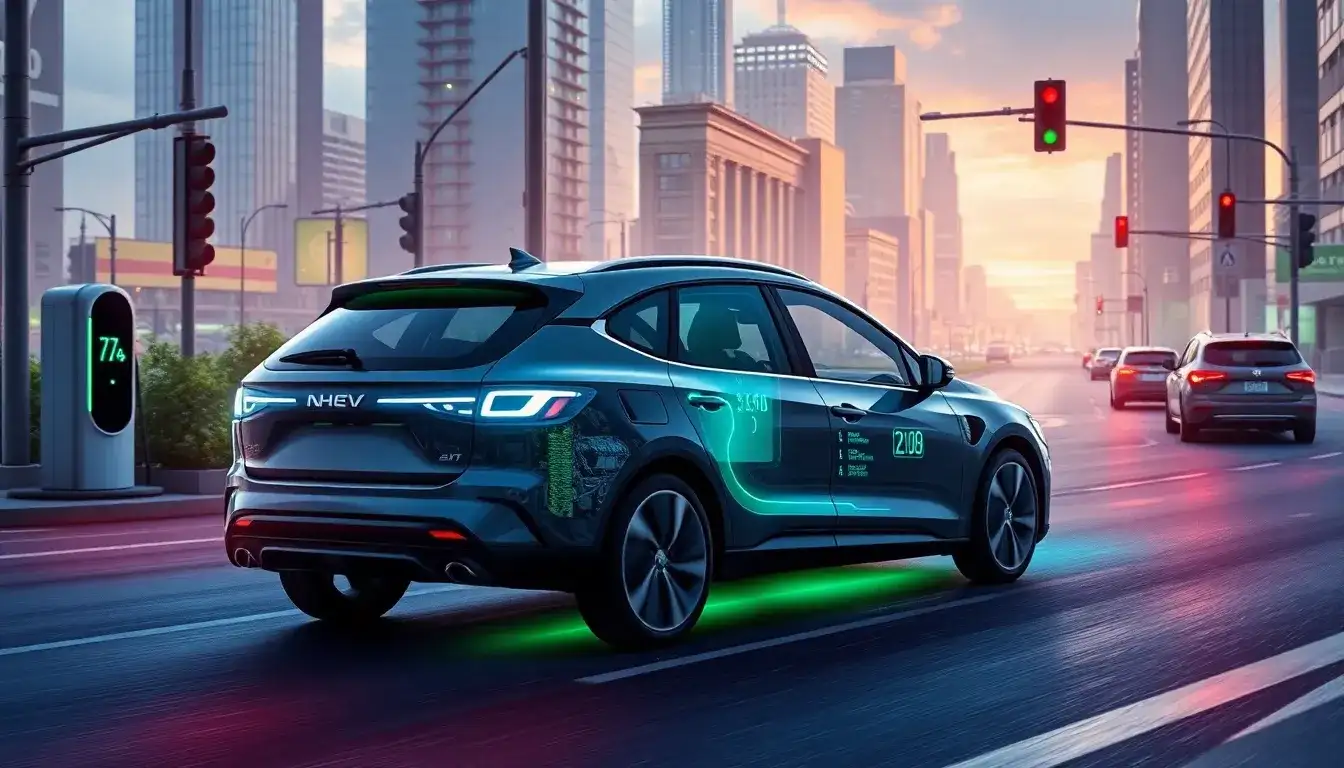
The fuel economy of Plug-in Hybrid Electric Vehicles (PHEVs) changes when the electric range is depleted because the vehicle then relies primarily on its gas engine. Here are some key points to consider:
- Fuel Economy Comparison:
- After Electric Range Depletion: Once the electric range is depleted, PHEVs typically get a few miles per gallon (mpg) less than comparable conventional hybrids but more than comparable gas-only vehicles. For instance, the 2016-2019 Chevrolet Volt achieves about 42 mpg in gas-only mode.
- With Mixed Use: When both electric and gas systems are used together, PHEVs can offer superior overall fuel efficiency compared to gas-only or conventional hybrid vehicles, especially for shorter trips within the electric range.
- Recharging and Operation:
- PHEVs do not need to be plugged in to operate; they can recharge their batteries through regenerative braking or by siphoning power from the engine once the battery is depleted.
- Even in gas-only mode, some PHEVs may recover a small part of their electric range through regenerative braking, improving efficiency slightly.
- Examples:
- 2013-2015 Chevrolet Volt: Offers 37 mpg in gas-only mode.
- 2018-2022 Honda Clarity Plug-In Hybrid: Achieves 42 mpg in gas-only operation.
- MG HS PHEV: Reports around 42 mpg under engine-only conditions on a long journey.
In summary, while PHEVs can offer excellent fuel economy when utilized within their electric range, their efficiency when relying solely on the gas engine is generally comparable to, but slightly less than, that of conventional hybrids. However, they still provide better fuel economy than many non-hybrid vehicles.
Original article by NenPower, If reposted, please credit the source: https://nenpower.com/blog/how-does-the-fuel-economy-of-phevs-change-when-the-electric-range-is-depleted/

