

Impact of Charging Frequency and Electric Mode on PHEV Emissions
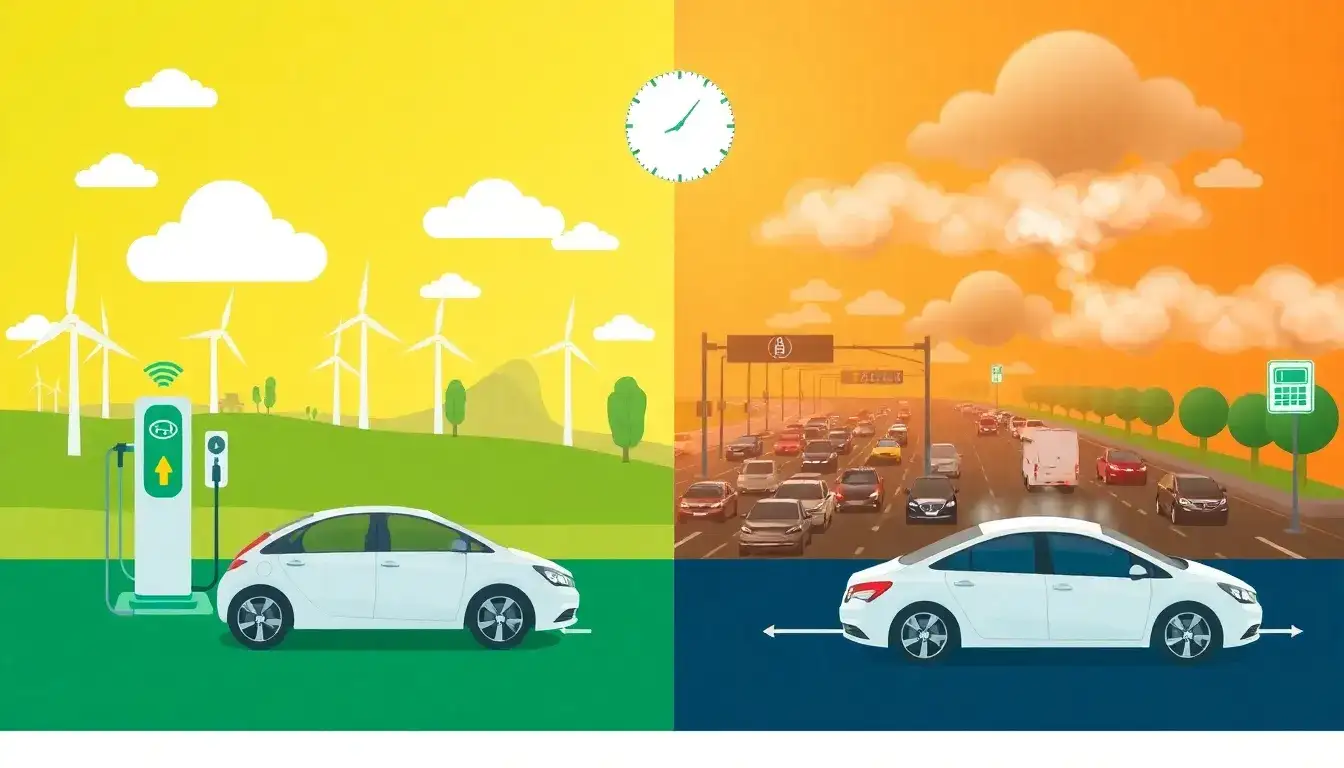
The frequency of charging and the extent of driving in electric mode significantly affect the emissions of plug-in hybrid electric vehicles (PHEVs). Here’s how these factors interplay to influence PHEV emissions:
Charging Frequency
- Emission Reduction: Frequent charging increases the proportion of electric miles driven, which reduces greenhouse gas emissions. For instance, a 50-mile all-electric range (AER) PHEV can offset about 37% of the carbon emissions of a conventional vehicle when charged daily. However, if charged only once every two days, this same PHEV can still offset about 31% of emissions.
- Real-World Usage: In practice, PHEVs are often not charged every day. Private users in Germany charge their PHEVs about three out of four driving days, while company car owners charge theirs about every second driving day. This lower charging frequency reduces the share of electric miles and increases emissions.
Driving in Electric Mode
- Electric Mileage vs. Fuel Consumption: The more a PHEV operates in electric mode, the less fuel it consumes and the fewer emissions it produces. Increasing the all-electric range (AER) by 10 km improves real-world fuel consumption and CO2 emissions by 8% to 14%.
- Utility Factor: The utility factor is a measure of how much a PHEV is driven in electric mode. A higher utility factor means more electric miles, leading to lower emissions. However, the utility factor should not be the only measure of environmental performance, as it doesn’t account for variations in charging behavior.
Impact on Overall Emissions
- Carbon Intensity: The carbon intensity of PHEV non-electric miles is generally lower than that of conventional vehicles, at about 0.29 lb CO2/mile. However, frequent electric mode usage can further decrease overall emissions by reducing the reliance on gasoline.
- Grid Dependence: The emissions reduction from electric mode also depends on the carbon intensity of the electricity grid used for charging. Cleaner grids result in lower overall emissions from PHEV charging.
In summary, frequent charging combined with extensive driving in electric mode can significantly reduce PHEV emissions, but real-world charging behavior often falls short of optimal levels, leading to higher emissions than theoretically possible.
Original article by NenPower, If reposted, please credit the source: https://nenpower.com/blog/how-does-the-frequency-of-charging-and-driving-in-electric-mode-affect-the-emissions-of-phevs/

