

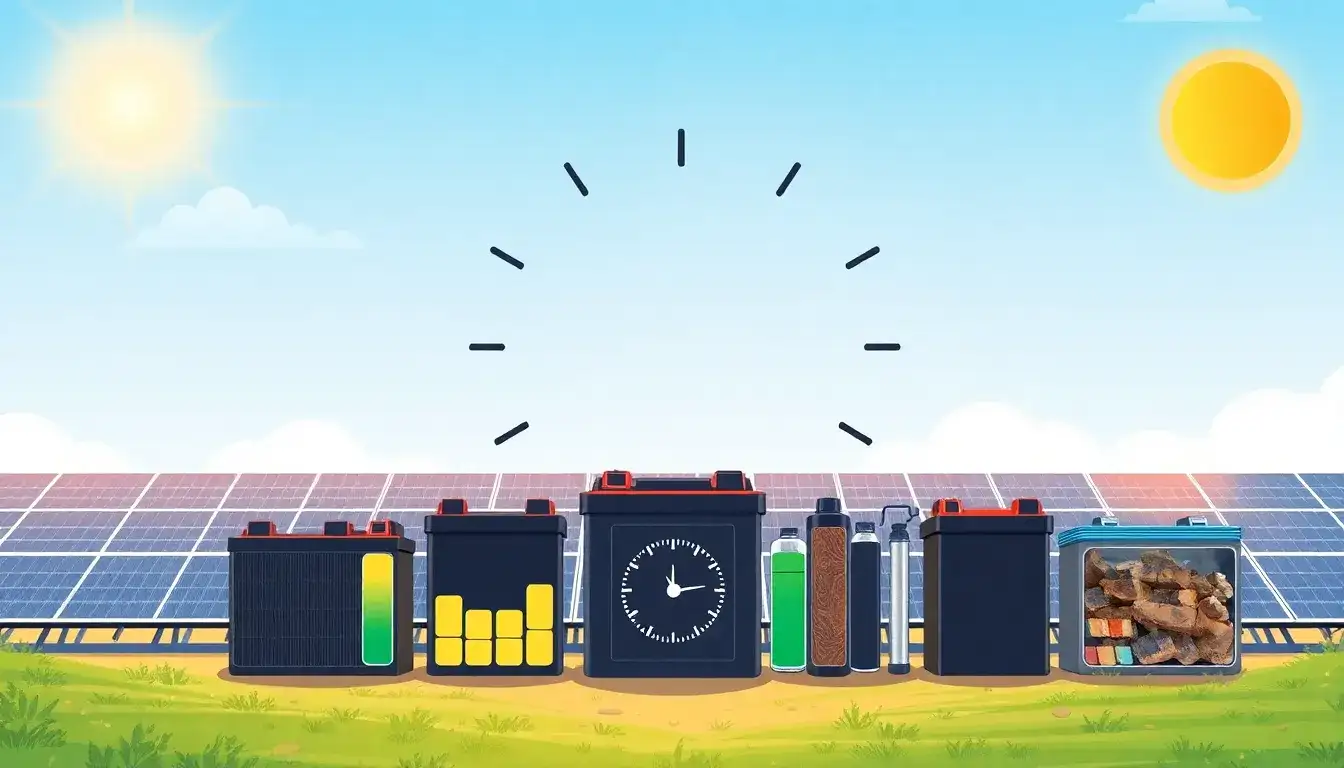
The frequency of charging and discharging significantly impacts the lifespan of solar batteries. Here’s a breakdown of how these factors affect their longevity:
Impact of Charging and Discharging Frequency
- Cycle Count: Solar batteries, especially deep-cycle types, are designed to handle numerous charge and discharge cycles. However, each cycle gradually reduces their capacity to hold a charge, ultimately shortening their lifespan. Lithium-ion batteries, commonly used in solar systems, can last for thousands of cycles, but their overall lifespan typically ranges from 10 to 15 years.
- Depth of Discharge (DoD): The DoD refers to the percentage of a battery’s capacity used before recharging. Exceeding the recommended DoD can severely shorten the battery’s lifespan. For example, lithium-ion batteries often have a high DoD of 80% or more, but using them beyond this limit can lead to premature degradation.
- Usage Patterns: Batteries used daily, such as in off-grid systems, will generally have a shorter lifespan compared to those used occasionally in grid-tied systems during power outages. Frequent discharges accelerate degradation, reducing overall lifespan.
- Maintenance and Temperature: While regular cycling can prevent issues like sulfation in lead-acid batteries, high temperatures can accelerate degradation even with frequent use. Maintaining a stable temperature and proper charging levels are crucial for extending the lifespan.
Best Practices
- Optimize DoD: Stay within the manufacturer’s recommended DoD to prevent over-discharge and extend battery life.
- Temperature Control: Keep batteries in a consistent, moderate temperature range to slow degradation.
- Smart Charging: Use charge controllers to manage power flow and prevent overcharging.
- Maintenance: Regularly inspect and clean battery terminals to ensure optimal performance.
By understanding these factors and maintaining optimal usage and storage conditions, you can maximize the lifespan and performance of your solar batteries.
Original article by NenPower, If reposted, please credit the source: https://nenpower.com/blog/how-does-the-frequency-of-charging-and-discharging-impact-the-lifespan-of-solar-batteries/

