

Reduced Degradation
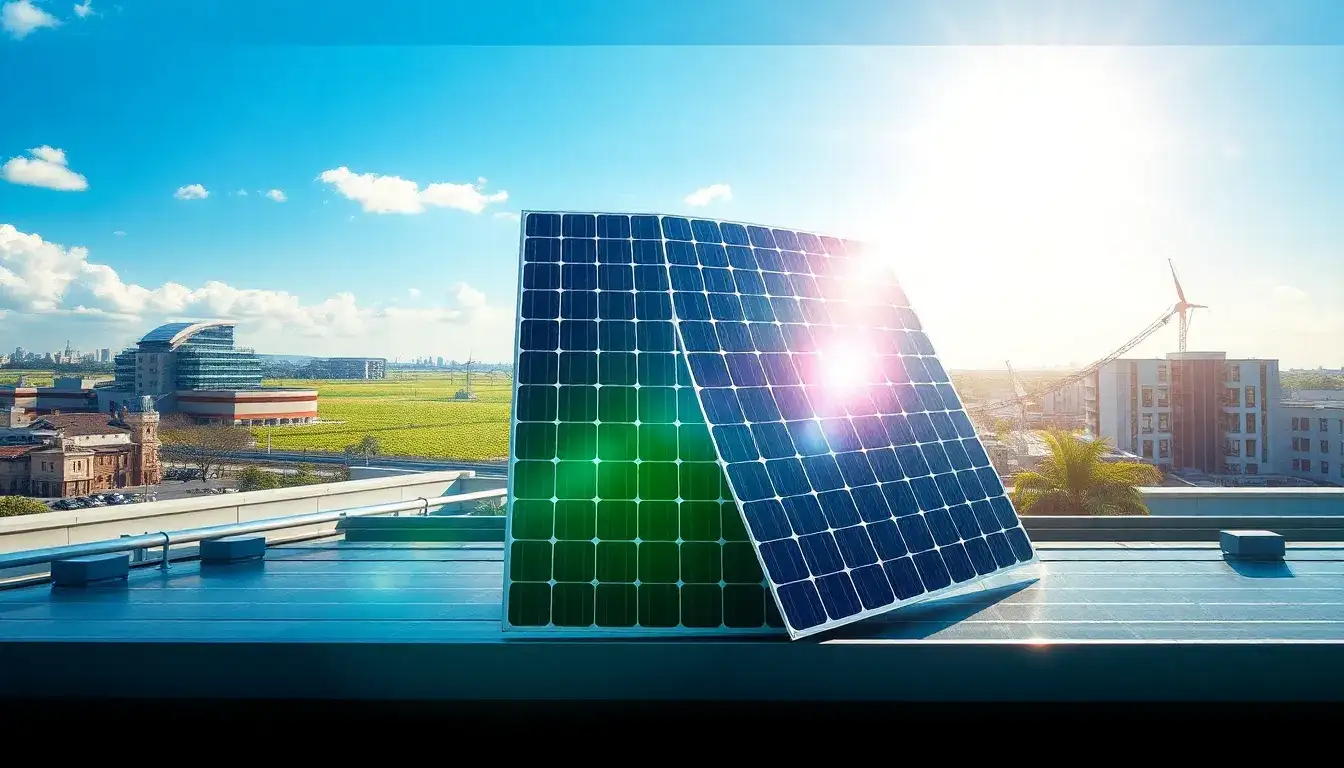
Frameless construction eliminates aluminum frames, which minimizes material interfaces prone to degradation over time. This design reduces micro-crack formation and corrosion risks associated with frame edges, particularly in humid or saline environments.
Lower PID Risk
Without metal frames, frameless panels experience reduced potential-induced degradation (PID), a common cause of long-term efficiency loss in traditional panels. The absence of conductive frames decreases electrical potential differences that drive PID, preserving cell performance over decades.
Material Durability
Most frameless bifacial panels use double-glass encapsulation with UV-resistant materials, offering superior protection against environmental stressors like moisture, dust, and thermal cycling. This robust construction enables warranties of up to 30 years, reflecting manufacturers’ confidence in their extended operational lifespan.
Additionally, the lack of frame shading on the rear side prevents uneven aging and maintains consistent light capture efficiency throughout the panel’s lifecycle.
Original article by NenPower, If reposted, please credit the source: https://nenpower.com/blog/how-does-the-frameless-design-of-bifacial-panels-contribute-to-their-longevity/

