

Environmental Impacts
Greenhouse Gas Emissions
- Contribution to Climate Change: The extraction and processing of raw materials, including fossil energy carriers, non-metallic minerals, metal ores, and biomass, are responsible for approximately 50% of global greenhouse gas emissions. In the context of non-energy, non-agricultural raw materials used in the EU, these account for about 18% of all consumption-related greenhouse gas emissions.
Water Stress and Biodiversity Loss
- The extraction and processing of raw materials are linked to more than 90% of global water stress and land-use-related biodiversity loss.
- Water usage in mining and processing can lead to water scarcity and depletion, affecting ecosystems and human settlements.
Pollution and Waste
- Resource extraction results in increased pollution by releasing pollutants into the air, water, and soil, which can degrade environmental quality and harm human health.
- The production process generates significant waste, including chemical residues and physical waste from mining operations.
Land Use Changes
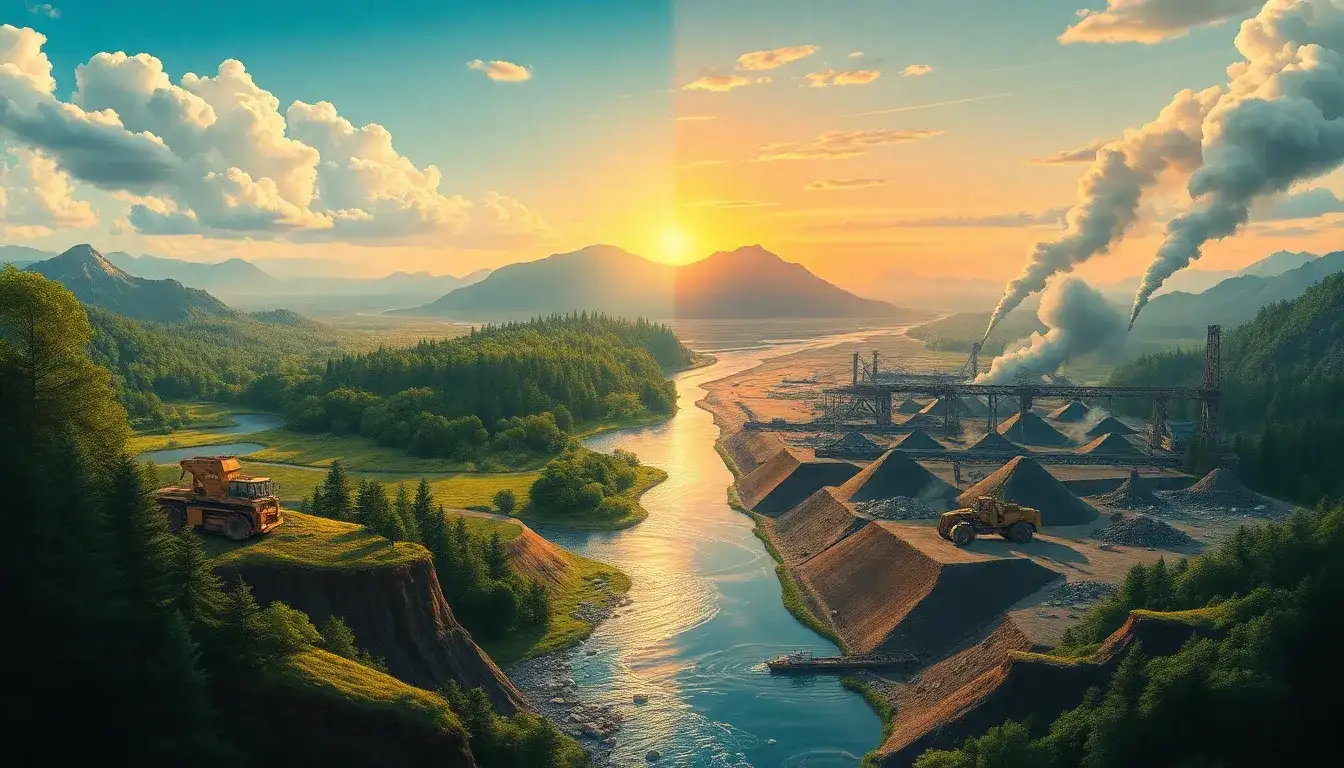
- Mining and extraction activities often require large tracts of land, leading to deforestation, habitat destruction, and changes in land use patterns, further exacerbating biodiversity loss.
Specific Examples
- Ore Type and Processing Methods: Different metals require different extraction methods, with some like aluminium needing large quantities of chemicals, while others like copper need more energy, often in the form of heat.
- Ore Grade Variations: Decreasing ore grades often require more energy and water to extract metals, leading to increased environmental impacts over time.
In summary, the extraction of raw materials is a major driver of environmental degradation, contributing to climate change, water scarcity, biodiversity loss, pollution, and altered land use patterns.
Original article by NenPower, If reposted, please credit the source: https://nenpower.com/blog/how-does-the-extraction-of-raw-materials-impact-the-environment/

