

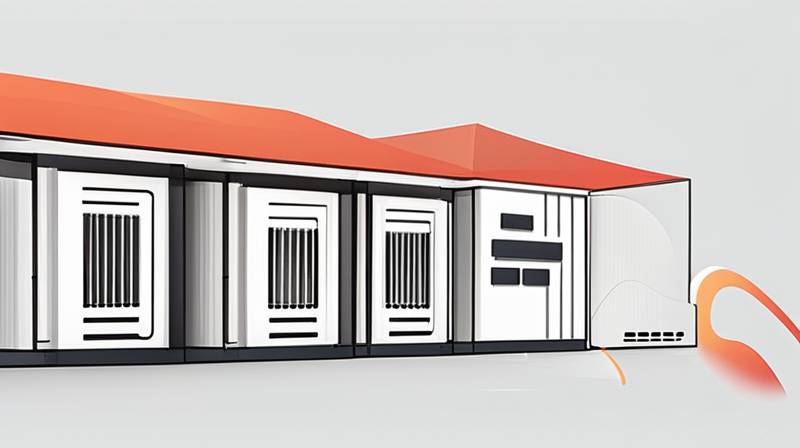
1. The energy storage prefabricated cabin operates by utilizing advanced technology to store generated energy for later use, providing efficiency, portability, and sustainability. 2. These cabins typically incorporate various energy sources, such as solar or wind, to capture and store energy. 3. They are designed as modular units that can be fabricated off-site, allowing for quick deployment in diverse environments. In greater detail, the cabins combine innovative energy management systems, including lithium-ion batteries and smart grid integration, to enhance energy efficiency and reliability. This modular approach not only accelerates the installation process but also allows for customized solutions tailored to specific energy needs and geographic considerations.
1. UNDERSTANDING THE ENERGY STORAGE PREFABRICATED CABIN
The emergence of energy storage solutions has transformed the way energy is managed across different sectors. Energy storage prefabricated cabins serve as a pivotal technology in enhancing energy resilience and efficiency. Prefabricated cabins are predefined structures built in factories and transported to sites, streamlining the construction process and reducing on-site assembly time. These cabins can be designed to accommodate various energy storage systems, primarily focusing on the scalability and adaptability needed to meet the dynamic demands of energy consumption.
By harnessing renewable energy sources like solar or wind, these cabins capture energy during peak generation times. This allows for the storage of surplus energy that can be utilized during periods of demand or when renewable sources are not generating. In the age of increasing energy consumption and environmental concerns, this technology addresses the dual challenge of energy efficiency and sustainability.
The process of storing energy within these cabins involves advanced battery technologies that are optimized for durability and performance. Lithium-ion batteries are commonly employed due to their high energy density and prolonged lifespan. As the demand for portable and reliable energy increases, energy storage prefabricated cabins present innovative solutions for both residential and commercial applications.
2. COMPONENTS OF ENERGY STORAGE PREFABRICATED CABINS
The effectiveness of energy storage prefabricated cabins hinges on several key components that work harmoniously to collect, store, and distribute energy.
2.1 ENERGY STORAGE SYSTEMS
At the core of these cabins are their energy storage systems, primarily utilizing lithium-ion batteries. Lithium-ion technology offers numerous advantages, including higher energy density, less weight, and minimal self-discharge compared to traditional battery systems. These characteristics make lithium-ion batteries ideal for mobile applications where efficiency is paramount.
Another emerging technology in energy storage systems is flow batteries, which are noteworthy for their longer discharge durations and scalability. Flow batteries can operate at larger scales than lithium-ion batteries, making them suitable for applications where prolonged energy supply is necessary. Their chemical processes can be adjusted to meet specific energy storage needs, offering flexibility seldom found in conventional systems.
2.2 ENERGY MANAGEMENT SYSTEMS
Energy management systems (EMS) constitute the brain of the energy storage cabin, orchestrating the flow of energy from storage to consumption. An efficient EMS continuously monitors energy production and consumption patterns, allowing for real-time adjustment to optimize usage. This ensures that the energy stored is utilized at times when it is most beneficial, such as during peak demand periods or in cases of grid failure.
Smart inverters integrated into these systems facilitate the connection between the energy storage unit and the energy sources. These devices convert direct current (DC) from various generation sources into alternating current (AC), which is usable for most household and commercial appliances. This conversion also allows for seamless integration with the grid, providing additional benefits such as net metering opportunities.
3. DEPLOYMENT AND APPLICATIONS OF ENERGY STORAGE CABINS
The deployment of energy storage prefabricated cabins is incredibly versatile, addressing a multitude of needs across different sectors. These units can be utilized in urban settings, rural areas, or even during disaster recovery situations.
3.1 URBAN APPLICATIONS
In cities where energy demand continues to rise, these cabins provide a remedy for fluctuating energy needs. They can be installed in buildings or adjacent lots, integrating seamlessly with existing electrical systems. Urban areas particularly benefit from the added backup power supply during outages, reducing the burden on the grid during peak times.
Moreover, the use of renewable resources connected to these cabins fosters sustainability initiatives, promoting reduced carbon footprints. Buildings equipped with energy storage cabins can sell excess energy back to the grid, generating additional revenue for owners and creating incentives for further investment in renewable energy technologies.
3.2 RURAL AND REMOTE LOCATIONS
For rural areas lacking adequate grid infrastructure, energy storage prefabricated cabins represent a lifeline. These units can store energy generated from local renewable sources such as wind turbines or solar panels, ensuring an uninterrupted power supply. This reduces dependence on traditional energy sources and minimizes energy poverty in underdeveloped regions.
In disaster recovery scenarios, these cabins can be rapidly deployed to provide immediate power to affected areas. Their portability and ease of installation make them ideal for addressing sudden energy demands following natural disasters or humanitarian crises. Emergency responders can use these cabins for critical operations, ensuring that essential services remain functional.
4. ENVIRONMENTAL IMPACT AND SUSTAINABILITY
The introduction of energy storage prefabricated cabins significantly contributes to sustainable energy practices. These systems not only allow for renewable energy utilization but also enhance ecological resilience.
4.1 REDUCING CARBON FOOTPRINT
One of the most significant benefits of implementing energy storage solutions is the reduced reliance on fossil fuel-based energy sources. By storing renewable energy generated from solar or wind, these cabins help lower greenhouse gas emissions and combat climate change. As a result, communities that adopt these technologies can significantly decrease their carbon footprints.
By facilitating the continued increase of renewable energy infrastructure, energy storage cabins play an essential role in transitioning to a low-carbon economy. This transition is crucial in the face of global warming and environmental degradation, making the deployment of such technologies imperative for sustainable development.
4.2 PROMOTING CIRCULAR ECONOMY
The integration of energy storage cabins also promotes principles of the circular economy. By generating, storing, and efficiently utilizing energy, communities can better manage their resources and minimize waste. This aligns with broader sustainability goals, ultimately contributing to a more responsible energy consumption model.
Investment in energy storage technologies helps to boost local economies by creating jobs in design, manufacturing, and installation. As these systems proliferate, communities will increasingly benefit from reliable energy sources, sustainable job opportunities, and a reduced environmental impact.
5. FUTURE TRENDS AND INNOVATIONS
As technology continues to advance, energy storage prefabricated cabins are set to evolve dramatically. Key developments will shape their functionality and usability in the coming years.
5.1 ADVANCES IN BATTERY TECHNOLOGY
Ongoing research into alternative battery technologies promises to enhance energy storage capabilities. Emerging options, such as solid-state batteries, boast higher energy densities and improved safety over traditional lithium-ion systems. With breakthroughs in these technologies on the horizon, energy storage cabins could soon become even more efficient and cost-effective.
Additionally, developments in ultra-capacitors may provide rapid charging and discharging capabilities for high-demand applications. By integrating multiple energy storage technologies, prefabricated cabins can offer tailored solutions for diverse energy needs, optimizing performance based on specific challenges.
5.2 INCREASED INTERCONNECTION WITH SMART GRIDS
The future of energy storage cabins also lies in their ability to seamlessly connect with smart grid technologies. This integration will enable enhanced communication between energy producers, consumers, and storage systems, resulting in more effective energy distribution. Moreover, smart grids can prioritize energy use based on real-time data, ensuring that supply matches demand efficiently.
By utilizing algorithms and predictive analytics, energy storage systems can be optimized to make informed decisions regarding energy procurement, consumption, and storage. This level of intelligence will enhance grid resilience and provide communities with the tools necessary to navigate shifting energy landscapes.
FREQUENTLY ASKED QUESTIONS
WHAT IS THE MAIN FUNCTION OF AN ENERGY STORAGE PREFABRICATED CABIN?
The primary function of an energy storage prefabricated cabin revolves around the efficient storage and management of energy. These cabins serve to capture energy generated from renewable resources, such as solar panels or wind turbines, and store it for later use. By optimizing the flow and availability of energy, these units not only ensure a continuous power supply during peak consumption periods but also contribute to a sustainable energy infrastructure.
The integration of advanced energy management systems allows for real-time monitoring and control over energy distribution, enhancing efficiency. Ultimately, this technology helps mitigate the limitations posed by traditional energy sources, particularly in areas where energy demand fluctuates drastically or where the grid is less reliable.
HOW DOES A PREFABRICATED CABIN COMPARE TO TRADITIONAL ENERGY STORAGE SOLUTIONS?
When contrasting prefabricated energy storage cabins with traditional energy storage solutions, several key differences emerge regarding installation time, flexibility, and scalability. Prefabricated designs are built off-site and delivered as complete units, streamlining the entire installation process. In contrast, traditional solutions generally require extensive on-site construction and assembly, which can significantly extend project timelines.
Moreover, prefabricated cabins can be tailored to accommodate varying energy needs. They are modular and can easily adapt to different technologies and configurations, making them more versatile compared to static, traditional solutions. Lastly, their potential for integration with emerging technologies, such as smart grids and advanced battery systems, positions prefabricated energy storage cabins as an innovative choice for future energy needs.
WHAT ARE THE BENEFITS OF USING ENERGY STORAGE CABINS IN DISASTER RECOVERY?
Energy storage cabins present notable advantages when deployed in disaster recovery scenarios, chiefly regarding rapidity of deployment and provision of a stable energy supply. After a natural disaster or emergency, restoring power is critical to supporting relief efforts and providing essential services. Prefabricated energy storage cabins can be mobilized quickly and set up to provide immediate energy, ensuring the functionality of critical infrastructure such as hospitals, shelters, and emergency response facilities.
Additionally, these units can utilize local renewable energy sources, further enhancing their sustainability. As communities recover and rebuild, energy storage cabins help minimize dependence on external energy resources, reducing the carbon footprint associated with emergency response efforts. This self-sufficient energy approach empowers communities to take charge of their recovery, ultimately fostering resilience and long-term sustainability.
Harnessing the potential of energy storage prefabricated cabins represents a significant advancement in energy management. By understanding their operation, components, applications, and future trends, it becomes evident how transformative this technology can be for both individuals and communities. As the global demand for efficient, sustainable energy solutions grows, energy storage cabins stand out as a viable strategy to address today’s energy challenges while paving the way for a greener future.
Original article by NenPower, If reposted, please credit the source: https://nenpower.com/blog/how-does-the-energy-storage-prefabricated-cabin-work/

