

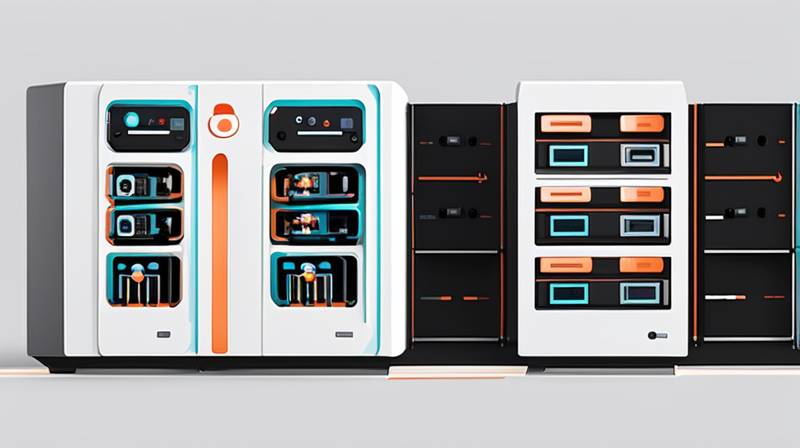
How does the energy storage distribution cabinet deliver electricity? Electricity is delivered through energy storage distribution cabinets via a combination of storage technology, inverters, and distribution systems. 1. The integration of batteries and control systems enables efficient energy management; 2. Advanced inverter technology converts stored energy into usable power; 3. Smart distribution features allow for optimal load balancing and energy flow; 4. Sustainability and grid support are further enhanced through renewable energy integration.
1. ENERGY STORAGE TECHNOLOGIES
Energy storage distribution cabinets serve as pivotal components in modern electrical infrastructures. These units primarily utilize battery storage technologies to retain energy for later use. Such systems often harness lithium-ion or lead-acid batteries due to their distinct characteristics, such as high efficiency and durability. The choice of energy storage technology affects both the capacity and operational lifetime, thus influencing overall system performance.
Lithium-ion batteries have surged in popularity because of their high energy density and rapid charge/discharge capabilities. This makes them particularly suitable for applications where quick energy release is essential. In contrast, lead-acid batteries are more cost-effective, albeit with a lower cycle life and efficiency. Evaluating the specific requirements of a project will help determine the appropriate storage technology for a distribution cabinet. Moreover, ongoing technological advancements continue to enhance battery life and efficiency, making future options even more attractive.
2. INVERTER TECHNOLOGY AND FUNCTION
Inverter technology plays a crucial role in converting direct current (DC) from energy storage devices into alternating current (AC) suitable for household or industrial use. The inverter acts as the intermediary that allows stored energy to be harnessed for practical applications. Moreover, contemporary inverters possess smart features, enabling them to manage power flow effectively.
Inverters now integrate several functions, including grid synchronization, which ensures that the output matches the grid’s voltage and frequency. Furthermore, advanced inverters have built-in monitoring systems that track energy production and usage, facilitating appropriate adjustments to optimize performance. In particular, the incorporation of high-frequency transformers has enabled inverters to become more compact and efficient, marking a shift towards smaller, more powerful units capable of delivering significant energy output.
3. CONTROL SYSTEMS IN ENERGY MANAGEMENT
To optimize energy distribution, robust control systems are an essential element in energy storage distribution cabinets. These systems are responsible for monitoring energy flows, assessing demand, and making real-time adjustments to ensure that the system operates efficiently.
Advanced control systems utilize algorithms that incorporate artificial intelligence and machine learning to predict energy demand fluctuations and manage them proactively. By analyzing historical data and current usage patterns, these systems can intelligently distribute stored energy where it is needed most. This predictive capability not only enhances performance but also significantly reduces waste, contributing to cost savings and improved sustainability. Additionally, automated controls can help reduce manual intervention, allowing for smoother operations and enhanced reliability.
4. DISTRIBUTION NETWORKS AND LOAD BALANCING
The efficacy of energy storage distribution cabinets is also closely linked to the underlying distribution networks. Balanced load distribution is essential to prevent overload situations and maintain system stability. These cabinets often include sophisticated mechanisms to ensure that energy is dispatched where it’s most needed while keeping all components functioning optimally.
Proper load balancing entails a thorough understanding of both peak and off-peak consumption periods. By analyzing energy consumption patterns, distribution systems can allocate resources judiciously. This not only ensures a steady energy supply but also extends the operational life of all technological components within the cabinet. Furthermore, when these cabinets interact with smart grids, they can gain real-time insights into energy demand fluctuations, allowing for even greater efficiency.
5. INTEGRATION WITH RENEWABLE ENERGY SOURCES
There is a growing emphasis on integrating renewable energy sources into energy storage systems. Energy storage distribution cabinets facilitate such integrations by allowing for the smooth storage and distribution of energy generated from solar panels or wind turbines. This transition is vital as societies move towards more sustainable energy practices.
With the ability to store energy generated at peak production times, notably during sunny or windy periods, these cabinets play a crucial role in evening out the supply and demand discrepancies inherent in renewable sources. The stored energy can then be utilized during periods of lower generation, ensuring a consistent and reliable power supply. This operational flexibility not only enhances system resilience but aligns with broader sustainability goals aimed at reducing fossil fuel dependence.
6. MONITORING AND MAINTENANCE STRATEGIES
Regular monitoring and maintenance practices are paramount for the longevity and performance of energy storage distribution cabinets. Smart monitoring tools identify potential issues proactively before they escalate into significant malfunctions. For instance, thermal imaging equipment can detect overheating components, while sensors can measure battery health, ensuring timely interventions.
Scheduled maintenance routines should be developed based on usage patterns, ensuring heavy components receive adequate attention. Preventative measures may include battery replacements, software updates, and inspection of electrical connections. Routine checks improve efficiency and can significantly decrease overall operational costs by enhancing system performance and minimizing unplanned downtimes.
FAQs
WHAT ARE THE MAIN COMPONENTS OF AN ENERGY STORAGE DISTRIBUTION CABINET?
An energy storage distribution cabinet comprises several essential components: batteries, inverters, control systems, and protection mechanisms. Batteries store energy for later use, while inverters convert that stored direct current (DC) into usable alternating current (AC). Control systems manage the energy flow and optimize performance, whereas protection mechanisms safeguard against overload and fault conditions. The combination of these elements ensures effective energy storage and distribution.
HOW DO ENERGY STORAGE SYSTEMS CONTRIBUTE TO SUSTAINABILITY?
Energy storage systems contribute significantly to sustainability by storing energy generated from renewable sources, such as solar and wind. These systems enable the efficient use of generated energy, reducing reliance on fossil fuels and lowering greenhouse gas emissions. Additionally, stored energy can be utilized during peak demand times, which not only stabilizes the grid but also encourages the adoption of greener energy practices. As a result, energy storage systems play a fundamental role in promoting an environmentally friendly energy landscape.
WHAT ARE THE BENEFITS OF USING SMART TECHNOLOGIES IN ENERGY STORAGE DISTRIBUTION CABINETS?
Employing smart technologies in energy storage distribution cabinets enhances performance and efficiency. Advanced monitoring and control systems improve energy management by predicting demand and adjusting distribution accordingly. Smart technologies also facilitate real-time data analysis, enabling operators to make informed decisions, minimize energy loss, and extend the lifespan of system components. Furthermore, these innovations often promote user accessibility and intuitive interfaces, empowering users with detailed insights into their energy consumption.
In summary, energy storage distribution cabinets integrate multiple advanced technologies to ensure a reliable and efficient delivery of electricity. With a multi-faceted approach encompassing storage solutions, inverter technology, and sophisticated monitoring and distribution systems, they present a cornerstone in modern electrical infrastructures. The advancements in this field not only optimize operational capabilities but also pave the way for sustainable energy practices. Through careful consideration of storage technologies, inverters, control systems, load balancing, and integration with renewable sources, energy storage distribution cabinets contribute substantially to modern electricity delivery systems. Their role in monitoring and upkeep further underscores their importance in ensuring efficient energy flow. As the demand for sustainable energy solutions escalates, the significance of these cabinets and their advanced technologies will undoubtedly increase.
Original article by NenPower, If reposted, please credit the source: https://nenpower.com/blog/how-does-the-energy-storage-distribution-cabinet-deliver-electricity/

