

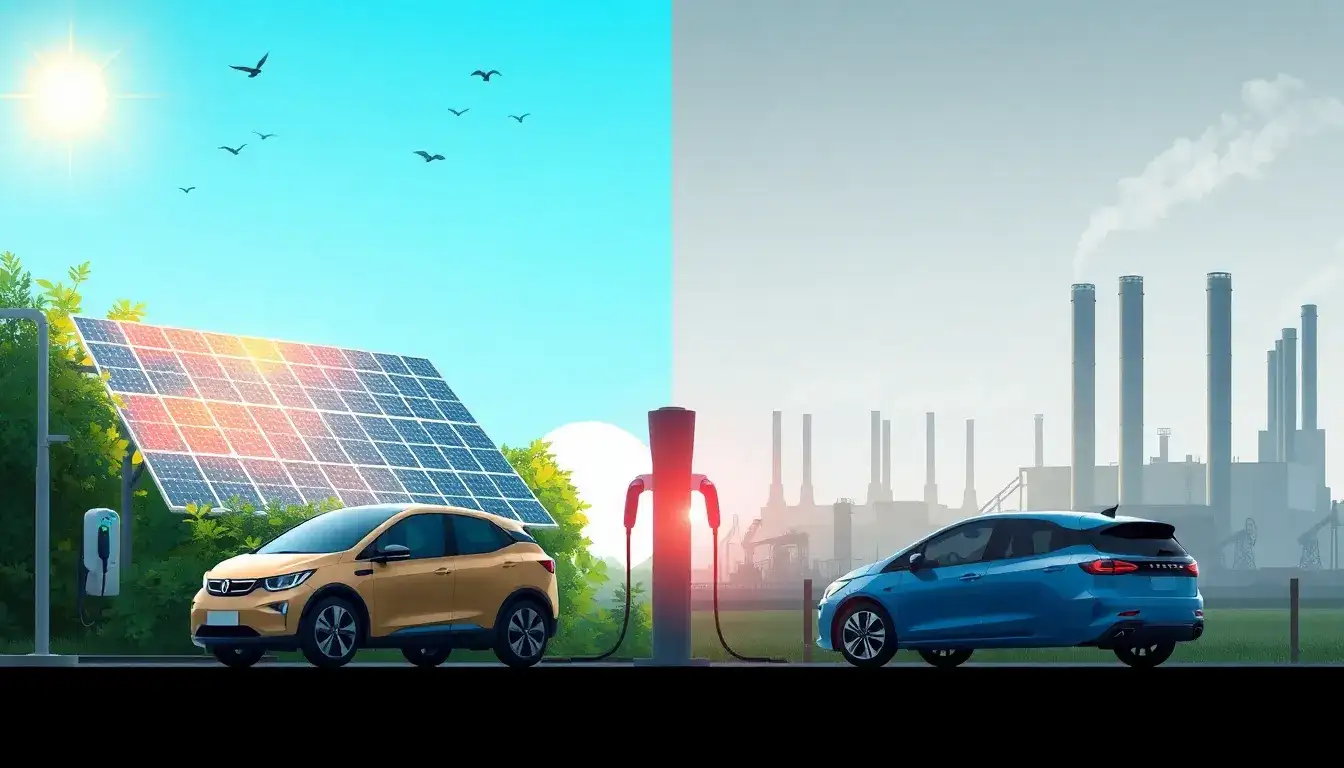
The energy source used for charging electric vehicles (EVs) significantly influences their overall health impact, mainly through the associated emissions and environmental effects of electricity generation.
Impact of Energy Source on EV Health Effects
- Grid Electricity Mix:
Most EV charging stations draw power from the local electrical grid, which typically consists of a mix of conventional (fossil fuel-based) and renewable energy sources. If the grid relies heavily on coal, natural gas, or other fossil fuels, then charging EVs contributes indirectly to air pollution and greenhouse gas emissions. This reduces the health benefits associated with EVs because burning fossil fuels releases particulate matter and pollutants linked to respiratory and cardiovascular diseases. Conversely, grids with a higher share of renewables (wind, solar, hydro) provide cleaner electricity, minimizing these negative health impacts. - Renewable On-site Energy:
Charging stations that incorporate on-site renewable energy generation, such as solar panels or wind turbines, provide a much cleaner source of power. These renewable sources produce zero direct emissions during operation, significantly reducing the pollution associated with EV charging. This cleaner energy reduces the indirect health impacts by lowering air pollution levels in the community and contributing less to climate change-related health risks. - Smart Charging and Energy Storage:
Advanced smart charging systems can optimize the use of renewable energy and help balance the load on the grid, for example, by charging EVs when solar or wind energy is abundant. Local battery storage can supply power during peak demand times, avoiding reliance on carbon-intensive grid power. This integration further enhances the health benefits by maximizing the use of clean energy sources and minimizing fossil fuel use.
Summary
The overall health impact of charging EVs largely depends on the origin of the electricity used:
- Charging EVs from a fossil fuel-heavy grid diminishes the air quality and climate benefits of electric vehicles, as emissions from power plants contribute to respiratory and cardiovascular health issues.
- Utilizing renewable energy sources like solar or wind, either through the grid or on-site generation, drastically reduces associated air pollution and greenhouse gas emissions, thus providing greater health benefits.
- Smart charging technologies and local energy storage can optimize renewable use, further improving environmental and health outcomes tied to EV charging.
In conclusion, the cleaner and greener the energy source powering the EV charging, the more positive the overall health impact of electric vehicle use becomes. This highlights the importance of transitioning not only to electric vehicles but also to clean electricity generation for sustainable health benefits.
Original article by NenPower, If reposted, please credit the source: https://nenpower.com/blog/how-does-the-energy-source-for-charging-electric-vehicles-affect-their-overall-health-impact/

