

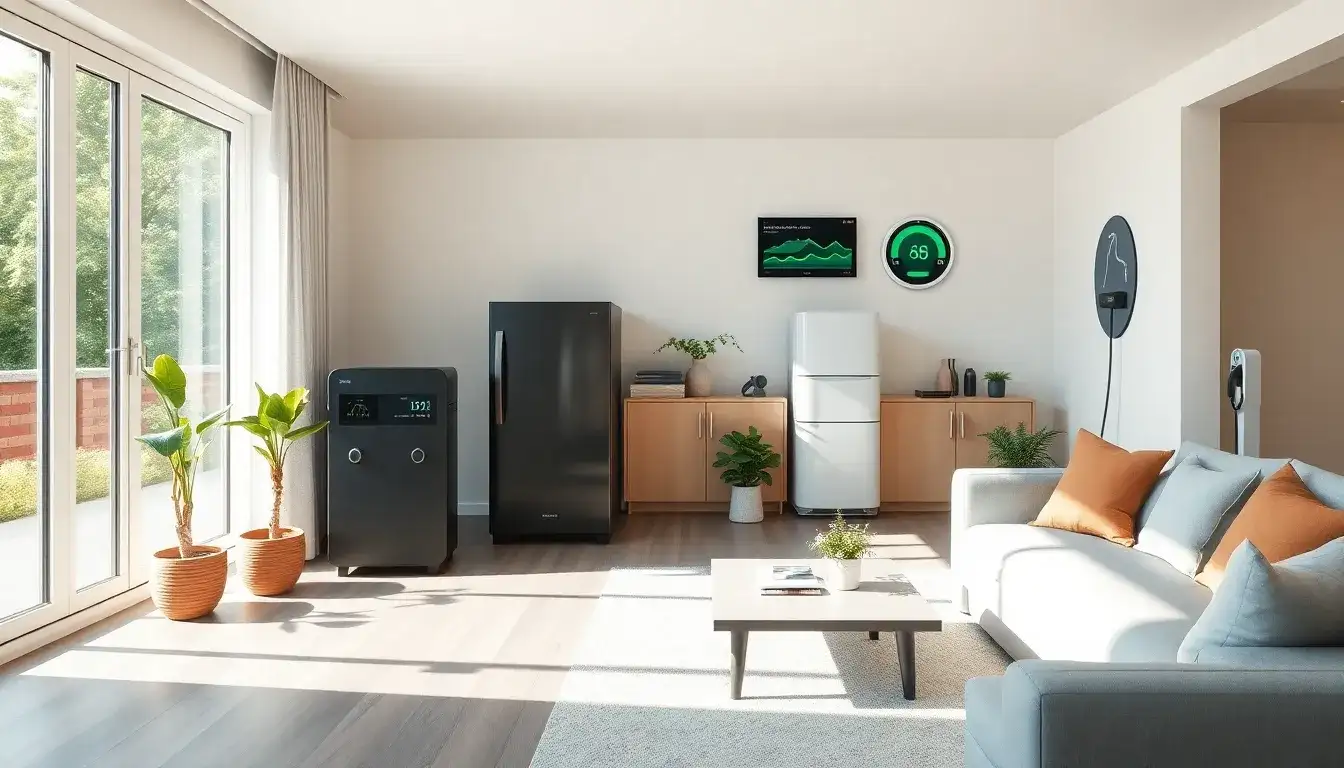
Energy Efficiency Benefits
- High Energy Conversion Efficiency: Lithium-ion batteries have a higher energy conversion efficiency compared to traditional battery technologies like lead-acid batteries. This efficiency can exceed 90%, allowing them to store and release energy with minimal loss, which is crucial for optimizing the use of renewable energy sources such as solar power.
- Round-Trip Efficiency: Lithium-ion batteries achieve a round-trip efficiency of up to 95%, meaning only 5% of the energy is lost during charging and discharging. This high efficiency ensures that most of the stored energy is available for use when needed.
- Long Cycle Life: With a lifespan of 10-15 years or approximately 4,000-6,000 charge cycles, lithium-ion batteries offer a long-term energy storage solution that reduces the frequency of replacements and maintenance.
Performance Impact in Residential Settings
- Enhanced Power Supply Stability: In areas with unstable grids, lithium-ion batteries can quickly activate as backup power sources to stabilize electricity supply, ensuring continuous power for essential appliances during grid failures or power outages.
- Promotion of Renewable Energy Integration: Lithium-ion batteries effectively store excess energy from solar panels and wind turbines, making them indispensable for optimizing renewable energy use in residential settings.
- Energy Autonomy: By storing energy generated from solar panels or during off-peak hours, homeowners can reduce their reliance on the main grid, lower electricity bills, and enhance their energy self-sufficiency.
Overall, the high energy efficiency of lithium-ion batteries supports cleaner, more reliable, and cost-effective residential energy systems.
Original article by NenPower, If reposted, please credit the source: https://nenpower.com/blog/how-does-the-energy-efficiency-of-lithium-ion-batteries-impact-their-overall-performance-in-residential-settings/

