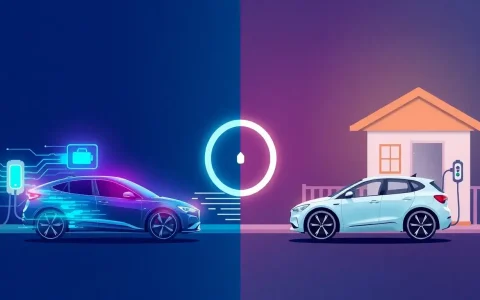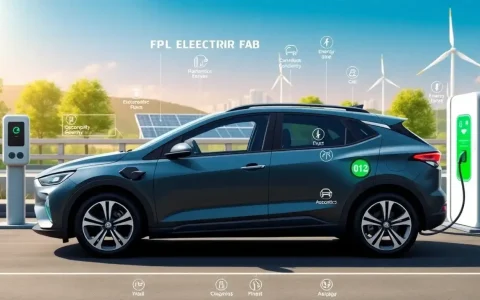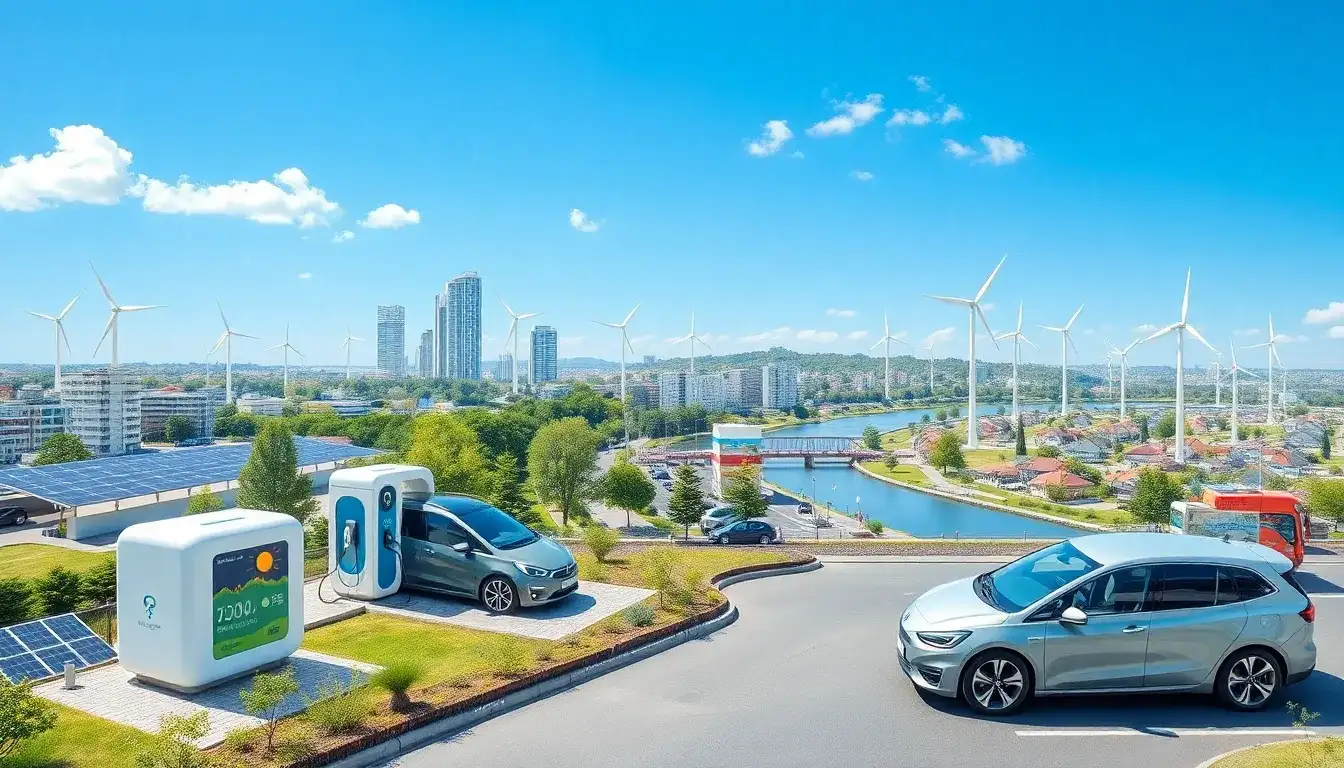
The energy efficiency of electric vehicles (EVs) significantly impacts their overall environmental footprint, both positively and with some considerations.
Advantages in Energy Efficiency
- Higher Efficiency: Electric vehicles are generally more energy-efficient than conventional gasoline vehicles. They convert about 87% to 91% of the electrical energy from the grid to power the wheels, while gasoline vehicles only convert around 16% to 25% of the energy in gasoline into movement. This high efficiency reduces energy waste and lowers the demand for energy overall.
- Zero Tailpipe Emissions: EVs produce no tailpipe emissions, which reduces air pollution in urban areas and contributes to improved public health. This is particularly beneficial in densely populated cities where air quality can be compromised by traditional vehicles.
- Long-term Emissions Reduction: While the production of EV batteries contributes to greenhouse gas emissions, EVs typically make up for this environmental cost over their lifespan due to their clean operation and efficiency. As renewable energy sources become more prevalent in the grid, the life cycle emissions of EVs will decrease further.
Environmental Considerations
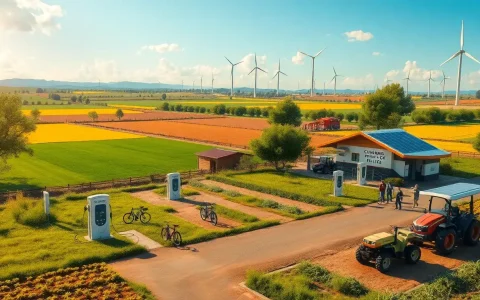
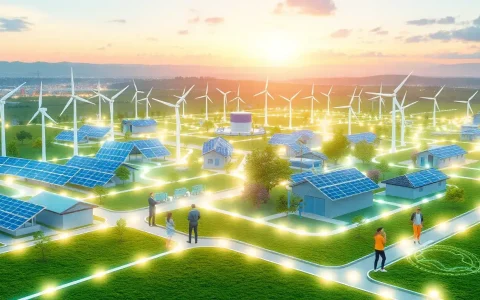
- Electricity Source: The environmental impact of EVs heavily depends on the source of electricity used for charging. Regions relying on coal or natural gas for electricity generation may result in higher life cycle emissions for EVs. In contrast, areas using renewable energy sources like wind and solar can significantly lower these emissions.
- Battery Production: The manufacturing process for EV batteries involves mining and manufacturing activities that have environmental impacts, including water usage and toxic emissions. However, research indicates that these impacts are often offset by the vehicle’s operational efficiency over its lifespan.
- Recycling and Disposal: As EV battery technology evolves, the focus on recycling and proper disposal of batteries will become increasingly important to minimize waste and reduce the extraction of new materials.
In summary, the energy efficiency of EVs plays a crucial role in reducing their overall environmental footprint by minimizing operational emissions and energy consumption, though there are ongoing challenges related to battery production and disposal.
Original article by NenPower, If reposted, please credit the source: https://nenpower.com/blog/how-does-the-energy-efficiency-of-evs-impact-their-overall-environmental-footprint/