

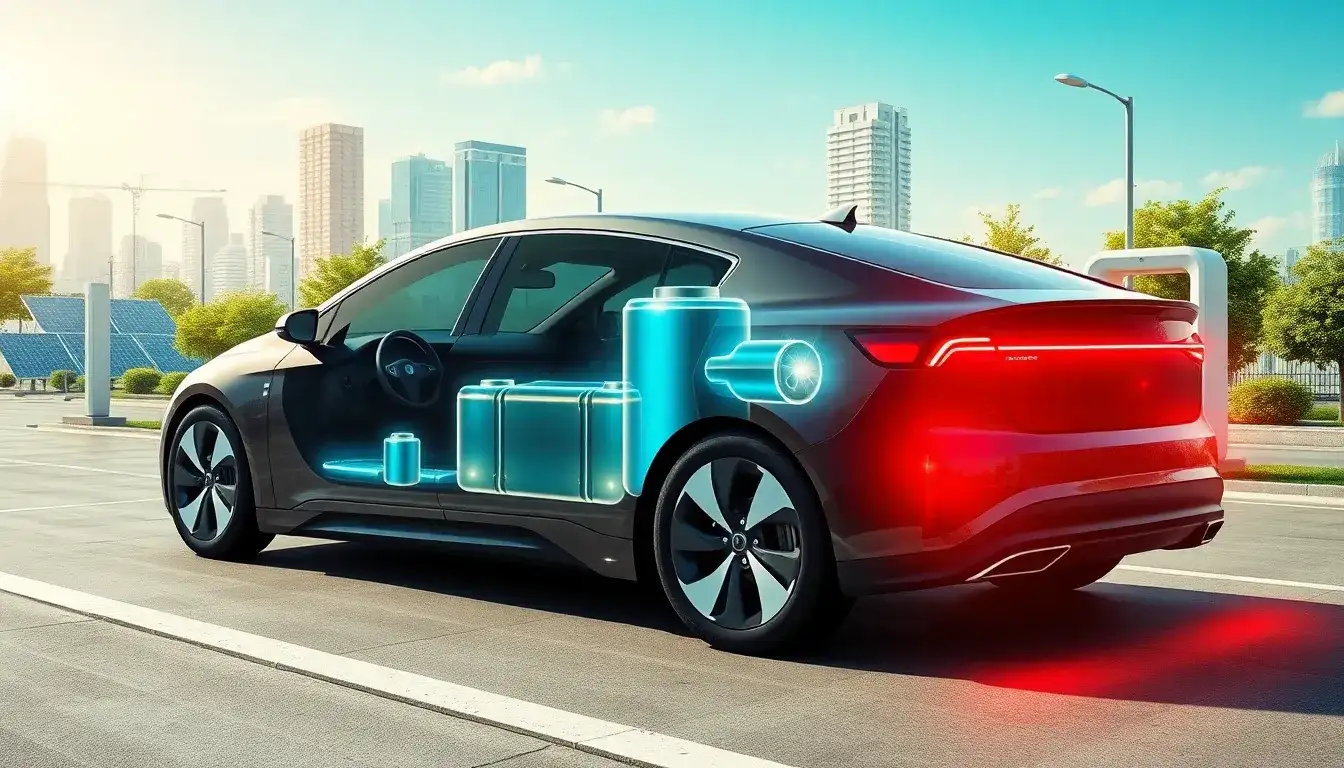
The energy density of sodium-ion batteries significantly impacts their suitability for electric vehicles (EVs) by affecting their driving range and overall vehicle performance.
Energy Density Considerations
- Lower Energy Density: Sodium-ion batteries have a lower energy density compared to lithium-ion batteries, typically ranging from 100 to 160 Wh/kg, whereas lithium-ion batteries can offer up to 260 Wh/kg. This means EVs powered by sodium-ion batteries would have a shorter driving range for the same battery size.
- Implications for EVs: The lower energy density of sodium-ion batteries makes them less suitable for long-distance travel without frequent recharging. However, they might be viable for shorter-range, low-cost applications such as micro EVs or two-wheelers.
Advantages Despite Lower Energy Density
- Cost and Availability: Sodium-ion batteries are potentially cheaper due to the abundance of sodium and lower material costs, which could make them attractive for entry-level or stationary storage applications.
- Safety and Environmental Benefits: Sodium-ion batteries are safer and less reactive, with a higher flashpoint, reducing fire risks. They also offer environmental benefits due to the abundance of sodium and the absence of cobalt in many formulas.
- Operational Benefits: They can operate efficiently over a wider temperature range, which is beneficial in sub-zero conditions.
Future Developments
Efforts are underway to improve the energy density and lifespan of sodium-ion batteries. If these improvements succeed, sodium-ion batteries might become more competitive for use in EVs, especially for niche applications like intracity microcars. However, they are unlikely to displace lithium-ion batteries in high-performance applications anytime soon.
Original article by NenPower, If reposted, please credit the source: https://nenpower.com/blog/how-does-the-energy-density-of-sodium-ion-batteries-impact-their-suitability-for-electric-vehicles/

