

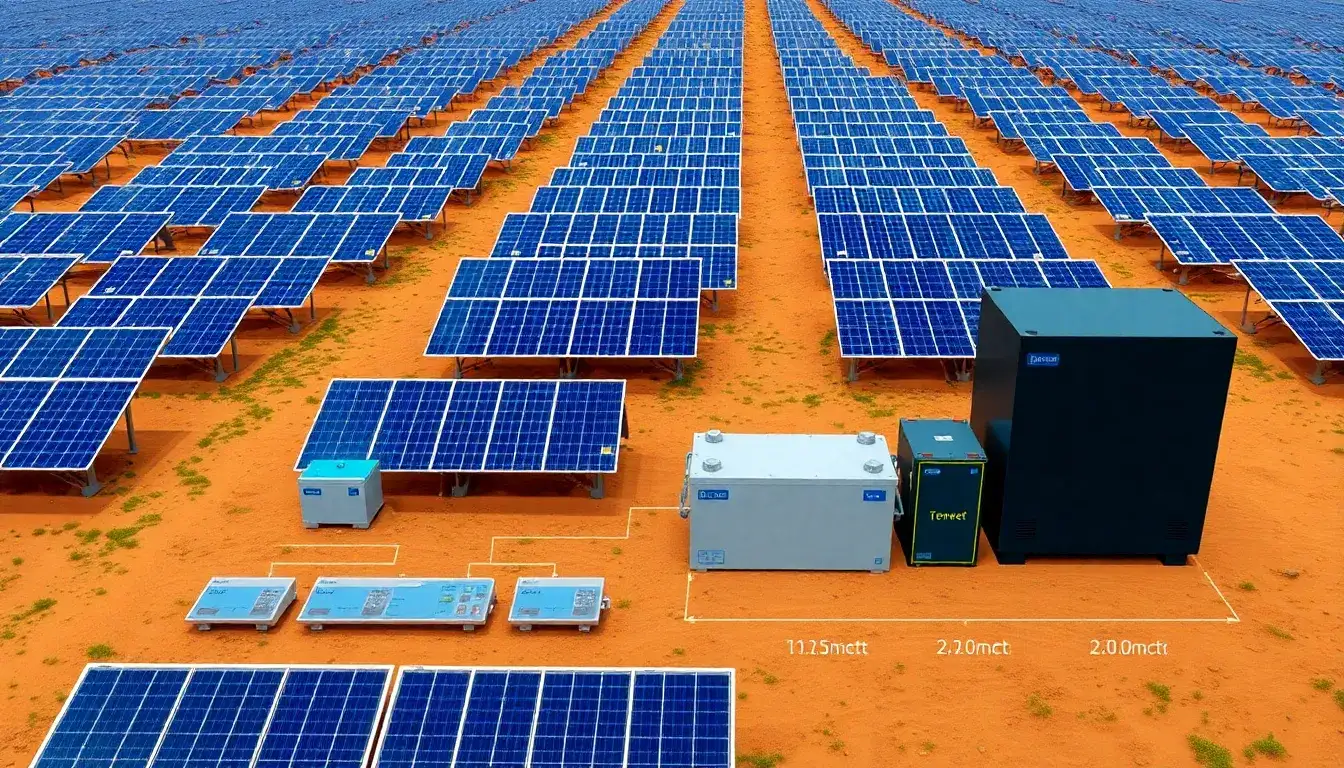
Lithium-ion batteries’ high energy density (150-300 Wh/kg) directly reduces the physical footprint and weight of solar energy storage systems compared to alternatives like lead-acid batteries (30-50 Wh/kg). Here’s how:
1. Space Efficiency
- Smaller physical size: Lithium-ion batteries store 3-5x more energy per kilogram than lead-acid, enabling compact installations. A 10 kWh lithium system occupies a fraction of the space required for lead-acid equivalents.
- Modular scalability: Higher volumetric energy density allows flexible racking configurations in space-constrained commercial sites.
2. Weight Reduction
- Lighter storage per kWh: Lithium-ion systems require ~4 kg of material per kWh, while lead-acid needs ~33 kg for the same capacity (assuming 30 Wh/kg).
- Easier installation: Reduced weight simplifies mounting and structural requirements, particularly for rooftop solar arrays.
3. System Design Impact
- Portable off-grid solutions: Higher energy-to-weight ratios make lithium-ion ideal for mobile applications.
- Grid stability: More energy storage capacity can be added without expanding physical infrastructure, enhancing load management during peak demand.
Comparison Table
| Feature | Lithium-Ion | Lead-Acid |
|---|---|---|
| Energy Density | 150-300 Wh/kg | 30-50 Wh/kg |
| 10 kWh Weight | ~40-67 kg | ~200-333 kg |
| Space Efficiency | Optimized racks | Bulky arrays |
This compactness and weight reduction lower installation costs, improve scalability, and maximize energy autonomy in both residential and commercial solar projects.
Original article by NenPower, If reposted, please credit the source: https://nenpower.com/blog/how-does-the-energy-density-of-lithium-ion-batteries-impact-the-size-and-weight-of-solar-systems/

