

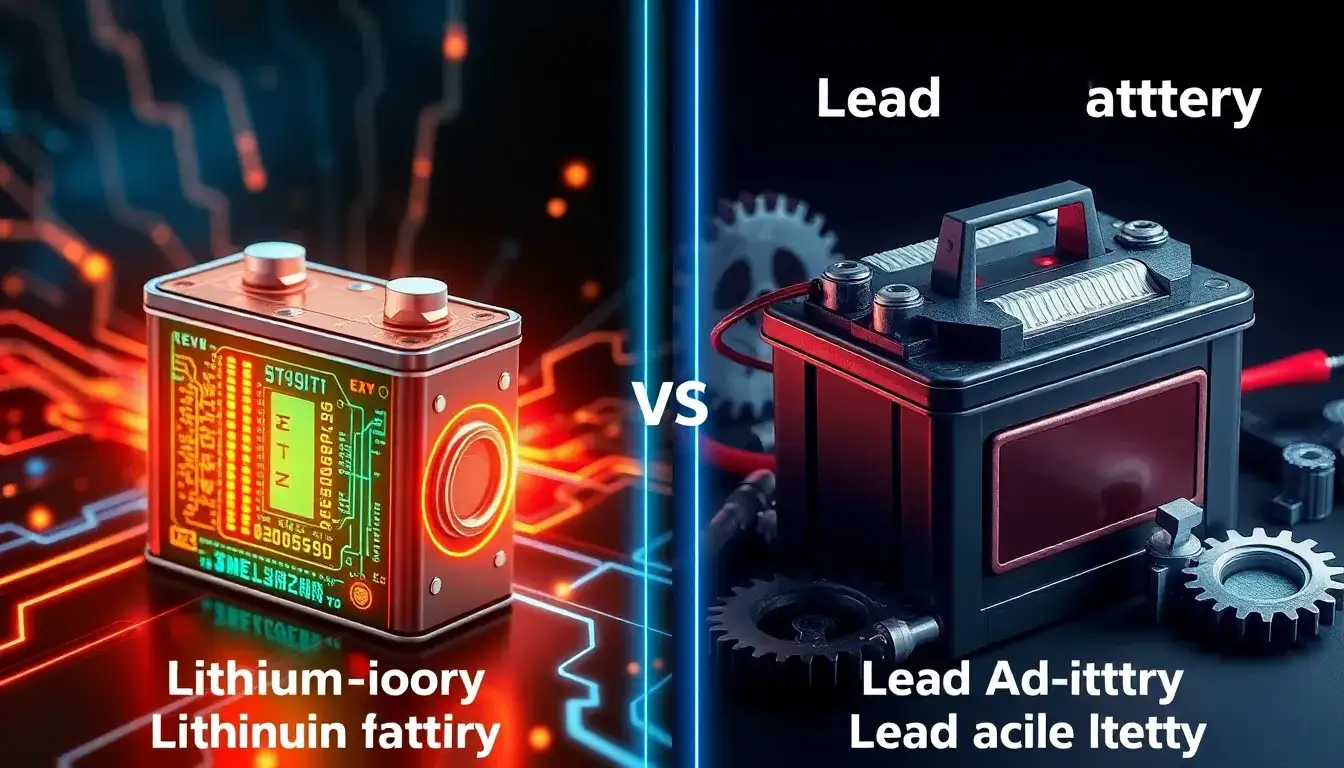
Lithium-ion (Li-ion) batteries have a significantly higher energy density compared to lead-acid batteries.
- Energy Density of Lithium-ion Batteries:
Modern lithium-ion batteries typically have a gravimetric energy density ranging from about 200 to 330 Wh/kg, with advanced experimental designs even reaching over 700 Wh/kg gravimetric energy density and over 1650 Wh/L volumetric energy density. Typical commercial lithium-ion cells have volumetric energy densities between 250 to 700 Wh/L. The improvements over the years have been substantial, from about 80 Wh/kg at commercialization in 1991 to current commercial values around 300 Wh/kg, with ongoing research pushing this even higher. - Energy Density of Lead-acid Batteries:
Lead-acid batteries have much lower energy densities, around 30 to 50 Wh/kg typically, with some sources citing roughly 75 Wh/kg for high-quality lead-acid batteries. Their volumetric energy density is also significantly lower than lithium-ion batteries. - Comparison:
| Battery Type | Gravimetric Energy Density (Wh/kg) | Volumetric Energy Density (Wh/L) |
|---|---|---|
| Lithium-ion | 200–330 (commercial), up to 700+ (research) | 250–700 (commercial), up to 1650+ (research) |
| Lead-acid | ~30–75 | Much lower, typically around 80-200 (varies) |
In practical terms, lithium-ion batteries store roughly 3 to 6 times more energy per unit weight than lead-acid batteries. This higher energy density makes lithium-ion technology far more suitable for applications requiring lightweight and compact energy storage, such as electric vehicles and portable electronics, whereas lead-acid batteries are heavier and bulkier for the same amount of stored energy.
Summary
Lithium-ion batteries outperform lead-acid batteries in energy density by a large margin, typically offering about 3 to 6 times the energy per kilogram and much higher energy per liter. This advantage is a primary reason lithium-ion batteries have become dominant in fields like electric vehicles, portable devices, and renewable energy storage, while lead-acid batteries remain common in stationary and low-cost applications where weight and size are less critical.
Original article by NenPower, If reposted, please credit the source: https://nenpower.com/blog/how-does-the-energy-density-of-lithium-ion-batteries-compare-to-lead-acid-batteries/

