

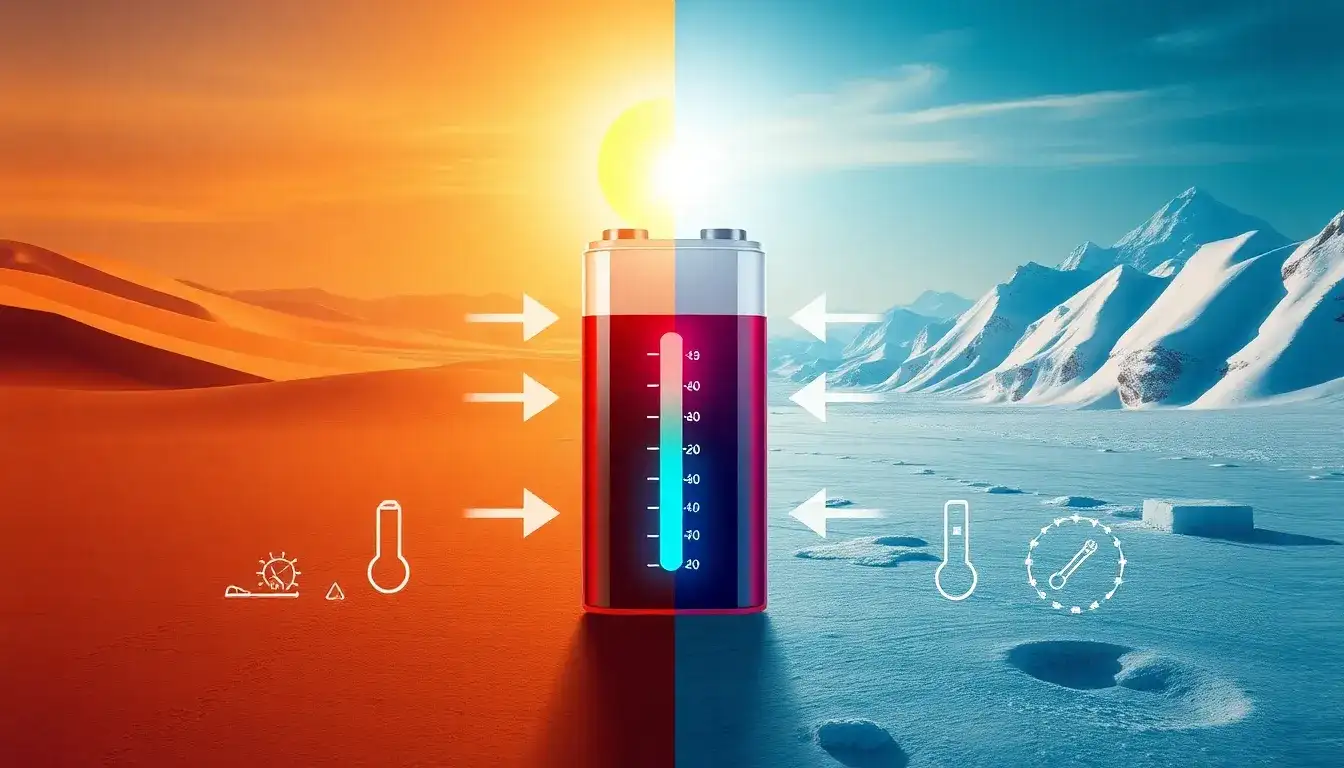
The energy density of lithium-ion batteries can influence their performance in extreme temperatures, but it is not the primary factor affecting performance under such conditions. Instead, the critical impact comes from how different temperatures affect the mobility of lithium ions and the overall chemical reactions within the battery.
Performance in Extreme Temperatures
Cold Temperatures
- Impact on Performance: Cold conditions reduce the battery’s capacity and efficiency by slowing down the movement of lithium ions between the electrodes. This can lead to lithium plating, a process where lithium ions deposit on the anode surface, forming metallic lithium and potentially causing short circuits and permanent capacity loss.
- Role of Energy Density: While higher energy density might imply more reactive materials, it is not a direct factor in cold performance issues. Instead, the electrolyte’s viscosity and the specific battery chemistry play more significant roles.
Hot Temperatures
- Impact on Performance: High temperatures accelerate chemical reactions in lithium-ion batteries, leading to faster aging and a higher risk of thermal runaway, which is a safety hazard.
- Role of Energy Density: Similar to cold conditions, energy density is not a direct factor in hot temperature performance issues. However, higher energy density can sometimes correlate with higher reactivity, potentially exacerbating thermal issues if the battery design does not accommodate thermal management effectively.
Emerging Solutions
New battery technologies are being developed to improve performance in extreme temperatures. For example, researchers at the University of California San Diego have created batteries with versatile electrolytes that maintain high performance in both cold and hot conditions. These advancements do not necessarily increase energy density but improve temperature resilience, which is crucial for maintaining battery performance in extreme conditions.
In summary, while energy density is important for overall battery performance, it is not the primary factor affecting lithium-ion battery performance in extreme temperatures. Instead, factors such as electrolyte properties and battery chemistry play critical roles in how batteries respond to temperature changes.
Original article by NenPower, If reposted, please credit the source: https://nenpower.com/blog/how-does-the-energy-density-of-lithium-ion-batteries-affect-their-performance-in-extreme-temperatures/

