Energy Density Comparison: Lithium-Air Batteries vs. Lithium-Ion Batteries
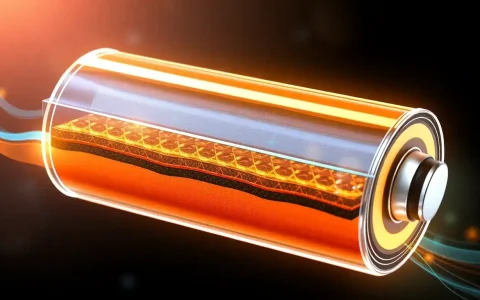
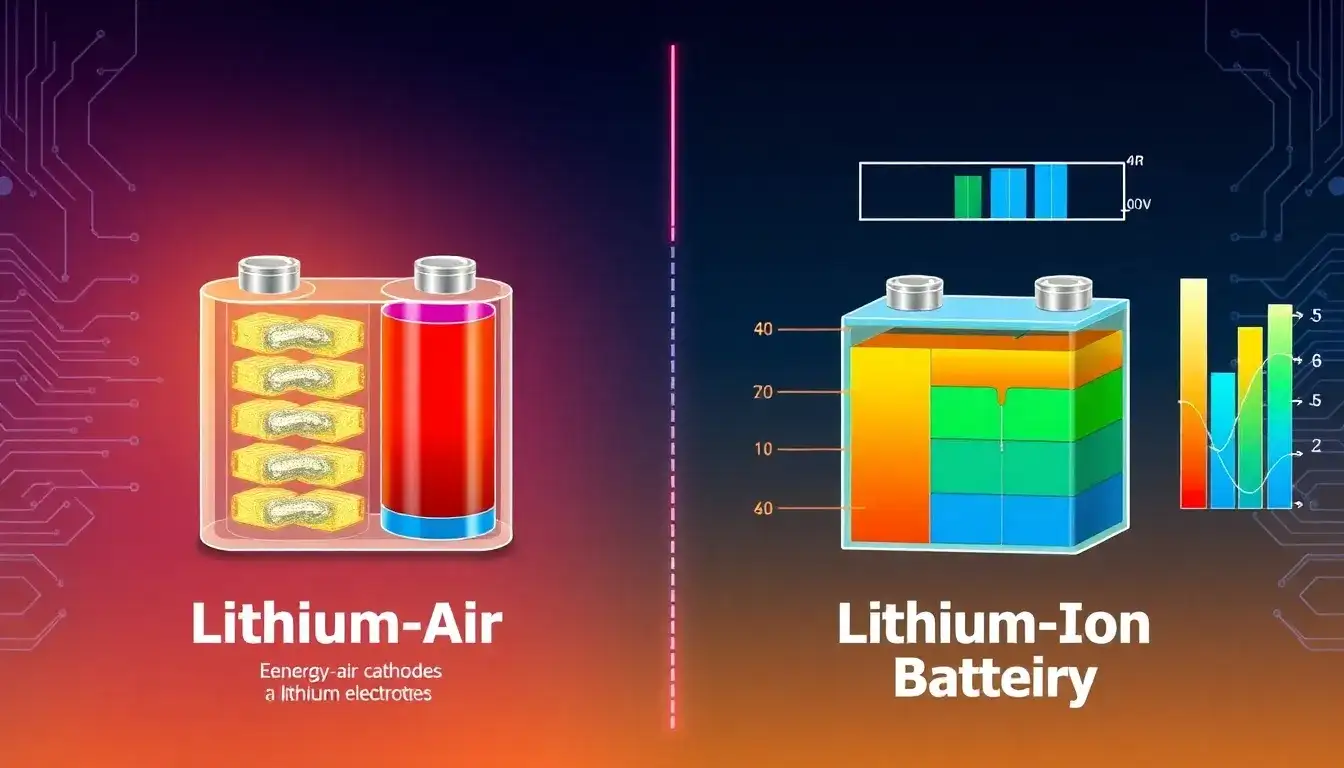
Lithium-air batteries have the potential to achieve significantly higher energy densities compared to lithium-ion batteries. Here are some key points highlighting this comparison:
- Theoretical Energy Density: Lithium-air batteries can theoretically reach energy densities up to 10 times higher than lithium-ion batteries, with some estimates suggesting they could achieve up to 5,000 Wh/kg. In contrast, lithium-ion batteries typically have energy densities ranging from 150 to 250 Wh/kg.
- Practical Achievements: While lithium-ion batteries are currently more practical and widely used, lithium-air batteries have been demonstrated to have practical energy densities around 6.12 MJ/kg (approximately 1,700 Wh/kg), which is about 5 times greater than that of commercial lithium-ion batteries. Researchers are working on new designs that could further increase this to around 1,200 Wh/kg.
- Challenges: Despite their high theoretical energy density, lithium-air batteries face challenges such as limited cycle life and issues related to electrolyte development and environmental sensitivity.
In summary, lithium-air batteries have the potential for much higher energy density, but they require significant technological advancements to overcome practical challenges and reach their full potential.
Original article by NenPower, If reposted, please credit the source: https://nenpower.com/blog/how-does-the-energy-density-of-lithium-air-batteries-compare-to-lithium-ion-batteries/