

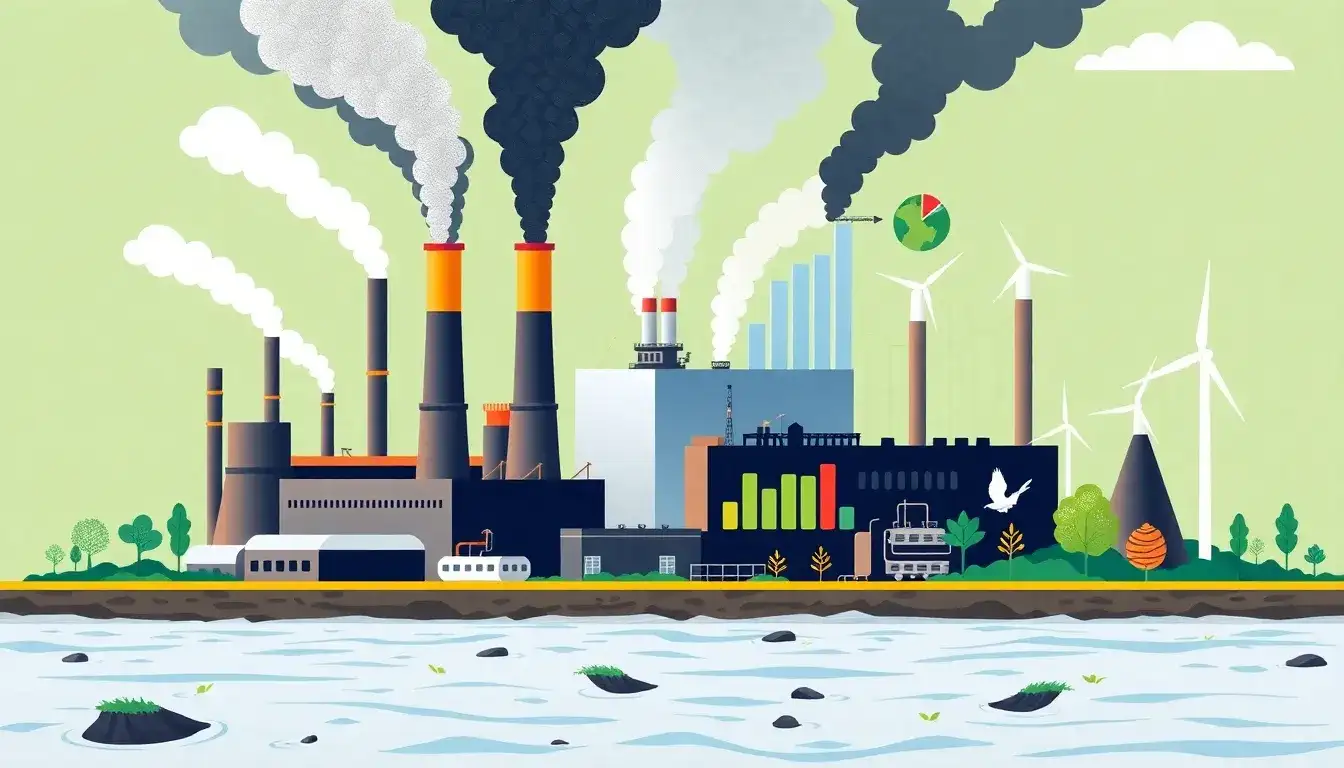
Energy consumption in battery manufacturing significantly impacts overall emissions due to several key factors:
Energy Consumption and Emissions
- Energy Efficiency: Battery factories use a substantial amount of energy, typically requiring around 30–35 kWh of electricity to produce 1 kWh of battery capacity. This high energy demand contributes to greenhouse gas emissions, particularly when fossil fuels are used.
- Emissions Intensity: The production of lithium-ion batteries results in emissions ranging from approximately 10 kg of CO₂ equivalent per kWh of cell production, depending on the location and energy sources. In regions like China, where coal is a primary energy source, the emissions intensity is much higher compared to locations using cleaner energy.
- Material Extraction and Processing: The extraction and processing of materials such as nickel, manganese, cobalt, lithium, and graphite are energy-intensive steps in battery production. High temperatures, often achieved by burning fossil fuels, are required, further increasing emissions.
- Impact on Electric Vehicles: Electric vehicles (EVs), which rely heavily on batteries, have a larger carbon footprint than traditional internal combustion engine vehicles, largely due to battery production. For a typical EV with a 75-kWh battery pack, emissions from just the battery can exceed seven tons of CO₂ equivalent.
Mitigating Emissions
- Renewable Energy Integration: Shifting to renewable energy sources like solar or wind power can significantly reduce the carbon footprint of battery production.
- Technological Advancements: Improvements in production technologies and more efficient processes can lower energy consumption and emissions.
- Supply Chain Optimization: Careful sourcing of materials and logistics optimization can also contribute to reducing emissions.
Overall, the energy used in battery manufacturing is a critical factor in determining the environmental impact of batteries and, by extension, electric vehicles. Efforts to transition to renewable energy and improve production efficiency are essential for mitigating these emissions.
Summary of Factors in Battery Manufacturing Impacting Emissions
| Factor | Description | Impact on Emissions |
|---|---|---|
| Energy Efficiency | High energy consumption (30-35 kWh/kWh capacity) | Increases emissions, especially with fossil fuels. |
| Emissions Intensity | Variable depending on energy sources (10 kg CO₂-eq/kWh) | Higher emissions with coal-based energy. |
| Material Extraction and Processing | Energy-intensive processes using fossil fuels. | Significant emissions from high-temperature processes. |
| Impact on EVs | Larger carbon footprint compared to ICE vehicles. | High emissions from battery production contribute to overall EV footprint. |
| Renewable Energy Integration | Transitioning to renewable energy sources. | Reduces energy-related emissions significantly. |
| Technological Advancements | Improving production efficiency and reducing waste. | Lowers energy consumption and emissions. |
| Supply Chain Optimization | Sourcing materials and optimizing logistics. | Can further reduce emissions by minimizing unnecessary energy use. |
These factors highlight the importance of considering energy consumption and greenhouse gas emissions throughout the battery manufacturing process.
Original article by NenPower, If reposted, please credit the source: https://nenpower.com/blog/how-does-the-energy-consumption-in-battery-manufacturing-impact-overall-emissions/

