

Advantages of Electrostatic Repulsion
- Water Conservation: The electrostatic method eliminates the need for water, which is a significant resource, particularly in arid regions where many solar installations are located. In contrast, traditional water-based methods require substantial amounts of clean water, contributing to about 10% of solar installations’ operational costs.
- Reduced Operational Costs: By not using water, the electrostatic method reduces the operational costs associated with water transportation and treatment, potentially making solar installations more cost-effective.
- Increased Panel Efficiency: Dust can reduce solar panel efficiency by up to 30% if panels are not cleaned regularly. Electrostatic cleaning can improve power output by ensuring cleaner panels without the need for manual intervention, which can be more frequent and automated.
- Environmental Benefits: This method avoids potential environmental impacts associated with water usage, such as strain on local water resources.
- Operational Flexibility: Electrostatic cleaning can be automated using a small motor, making it feasible for remote and hard-to-reach installations. It also works effectively across different humidity levels as long as it exceeds 30%.
Limitations and Considerations
- Humidity Dependence: While the electrostatic method is effective at humidity levels above 30%, its efficiency decreases in very dry conditions. This may require timing cleaning operations with higher humidity periods, such as early morning.
- Complexity and Setup: Although the system is relatively simple, integrating it into existing solar panel infrastructure might require additional setup and hardware, potentially increasing initial deployment costs.
- Cost of Implementation: While the electrostatic method reduces operational costs in the long run, the initial investment for setup might be higher compared to traditional methods depending on the scale of implementation.
Efficiency Comparison
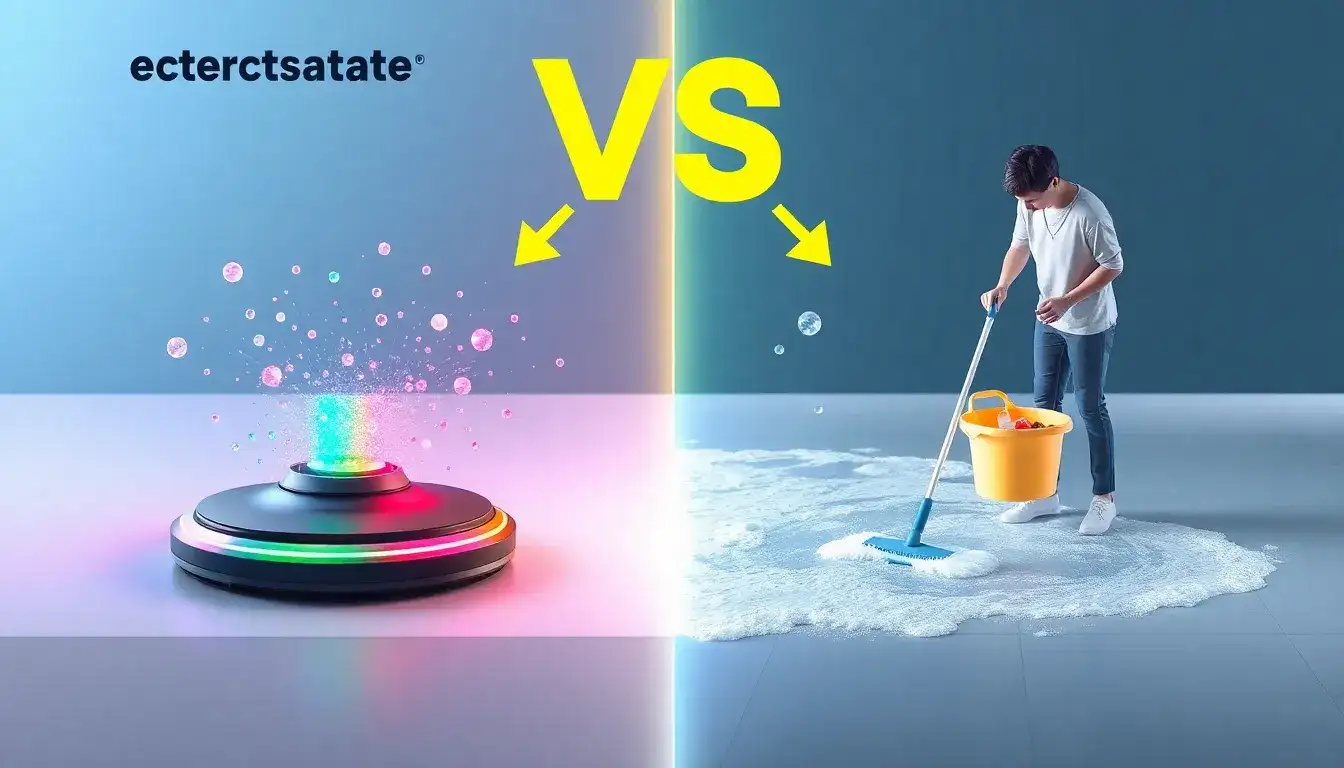
- Water-Based Cleaning: Effective in terms of immediate power recovery but is resource-intensive and less sustainable.
- Electrostatic Repulsion: More sustainable and cost-effective in the long run but may require careful timing based on humidity levels.
In summary, the electrostatic repulsion method offers significant advantages in sustainability and potential cost savings, especially in regions where water is scarce. However, its effectiveness can vary with humidity, which might impact its suitability for extremely dry locations without precise timing or environmental conditions management.
Original article by NenPower, If reposted, please credit the source: https://nenpower.com/blog/how-does-the-electrostatic-repulsion-method-compare-to-traditional-water-based-cleaning-methods-in-terms-of-efficiency/

