

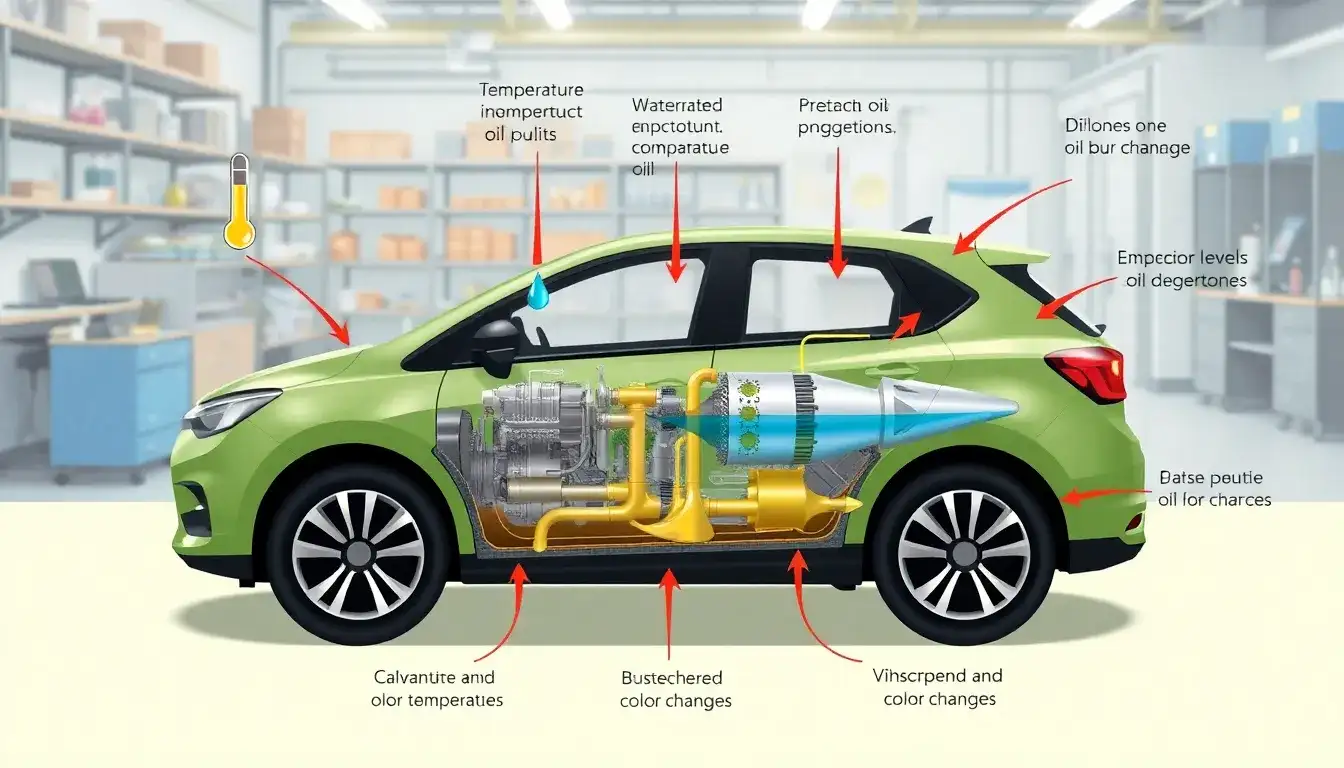
The electric motor in a hybrid vehicle can significantly impact the oil degradation process in the combustion engine. Here are some ways this occurs:
- Lower Operating Temperatures: The electric motor often shares the workload, leading to lower engine temperatures. This prevents engine oil from reaching its optimal temperature, where it can effectively burn off contaminants. As a result, condensation may build up, causing water dilution in the oil, which accelerates oil degradation.
- Frequent Stop-Start Cycles: Hybrid engines frequently turn off and on to maximize fuel efficiency. These cycles can cause uneven wear on engine components, but also mean the engine doesn’t always reach the optimal temperature to fully evaporate water and unburned fuel that may mix with the oil.
- Fuel Dilution: During cold starts or short runs, unburned fuel can more easily mix with engine oil, reducing its effectiveness. This is particularly pronounced in hybrids due to their frequent engine shutdowns and start-ups.
- Sludge Formation and Oxidation: Water contamination can accelerate oil oxidation, leading to sludge formation—a gelatinous material that can cause poor fuel efficiency and low oil pressure. The lower temperatures and increased moisture in hybrid systems exacerbate these issues.
To mitigate these challenges, it’s crucial to use high-quality synthetic oil designed for hybrids, maintain shorter oil change intervals, and ensure regular vehicle maintenance.
Original article by NenPower, If reposted, please credit the source: https://nenpower.com/blog/how-does-the-electric-motor-in-a-hybrid-impact-the-oil-degradation-process/

