

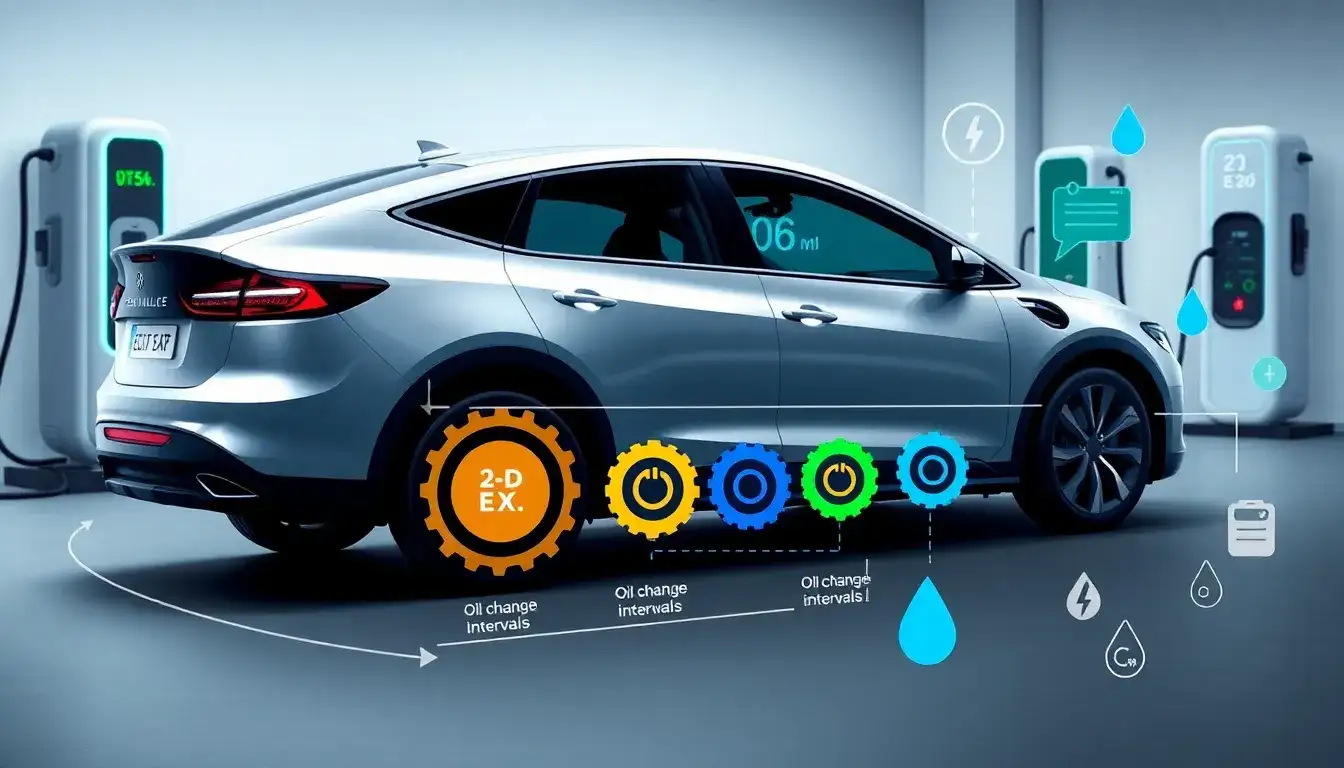
The electric mileage in Plug-in Hybrid Electric Vehicles (PHEVs) affects the oil change interval primarily because the internal combustion engine (ICE) is used less frequently compared to conventional gas-powered cars. Since PHEVs drive a significant portion of miles on electric power alone, the ICE experiences less workload, which can reduce the rate at which engine oil degrades. This can potentially extend the recommended oil change interval beyond that of a traditional vehicle.
Key Points on How Electric Mileage Affects Oil Change Interval in PHEVs
- Lower ICE Mileage vs. Total Mileage: In PHEVs, even if the odometer shows a high total mileage, the actual miles driven by the gasoline engine may be much lower. For example, a driver might accumulate 10,000 total miles but only 1,000 to 2,000 of those miles are on the ICE. This means the engine oil is subjected to less stress and contamination, suggesting that the oil change interval could be extended beyond what the manual prescribes for total miles driven.
- Manufacturer Recommendations Vary: Most PHEV manuals still recommend oil changes based on total mileage (often between 7,500 to 10,000 miles), but this approach does not distinguish electric miles from engine miles. Some dealers or experts recommend time-based intervals, such as every six months, especially because oil degrades over time even if the vehicle is driven mostly on electric mode.
- Real-World Practices: Some PHEV owners and forums express confusion or differing practices regarding oil changes when the majority of driving is electric. Some follow the manual strictly, others extend intervals understanding that the ICE runs less.
- General Hybrid Vehicle Oil Change Frequency: Typically, hybrids need oil changes every 5,000 to 7,000 miles, less frequent than conventional vehicles, because the electric motor reduces the burden on the gas engine and thus oil degradation. Newer hybrids with advanced engine tech and synthetic oils may have even longer intervals.
- Oil Life Monitoring Systems: Some PHEVs have oil life monitoring systems that calculate oil change needs based on engine operating conditions rather than just mileage. These systems might reduce oil change frequency if the engine runs less, but their accuracy depends on how they factor in electric vs. gasoline miles.
Summary
Electric mileage in PHEVs reduces how often the combustion engine runs, which slows oil degradation and can extend oil change intervals compared to conventional vehicles. However, most manufacturers still recommend oil changes based on total mileage or time intervals, without separating electric miles. For PHEV owners, following the vehicle’s manual is advised, but understanding that electric driving can justify longer intervals may allow for flexibility, especially if using oil life monitoring and considering time-based changes to prevent oil degradation.
In practice:
- If majority of miles are electric, the engine oil might last longer.
- Check the owner’s manual and oil life monitoring system.
- Consider both mileage and time (e.g., every 6 months) for oil changes.
- Synthetic oils and newer technology in hybrids may further extend intervals.
This approach balances maintaining engine health while adapting to the unique driving patterns of PHEVs.
Original article by NenPower, If reposted, please credit the source: https://nenpower.com/blog/how-does-the-electric-mileage-affect-the-oil-change-interval-in-phevs/

