

Efficiency and Profitability of Pumped Hydro Storage Facilities
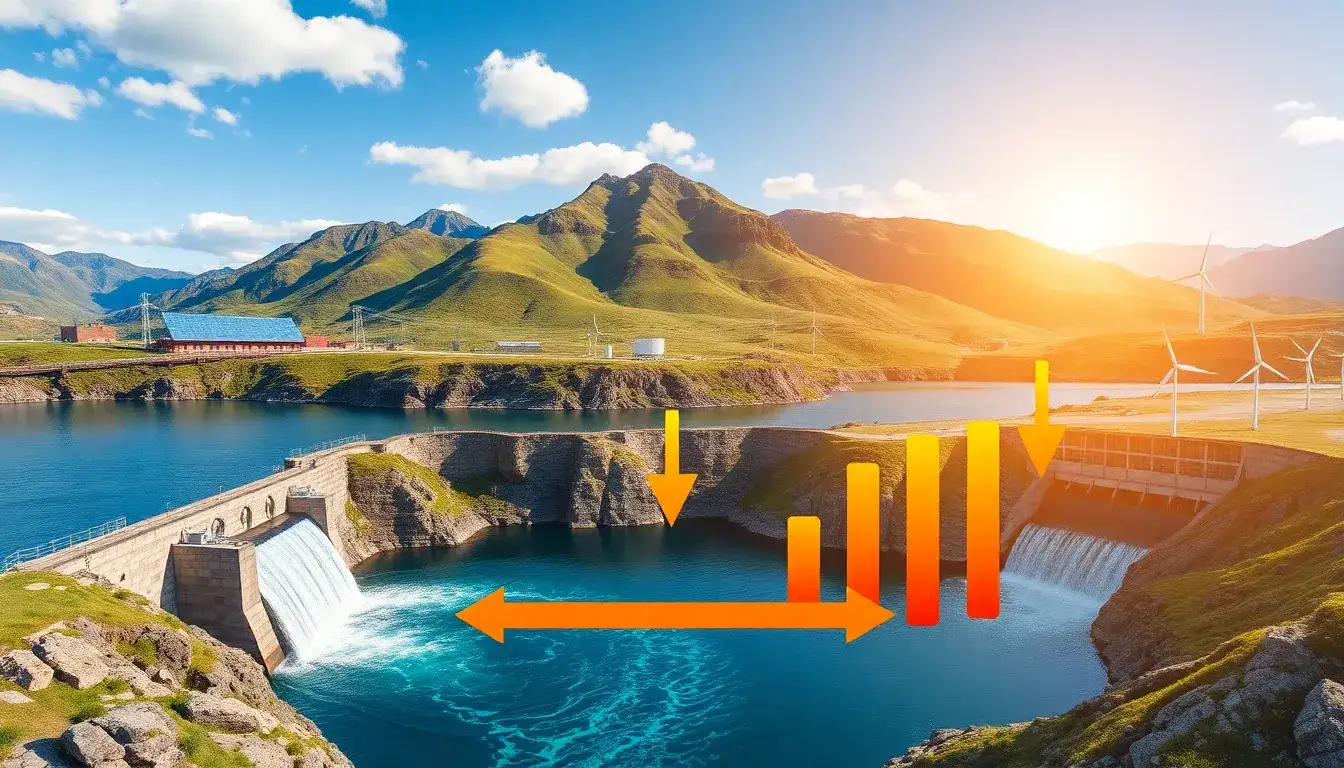
Pumped hydro storage (PHS) facilities operate with a round-trip efficiency ranging from 70% to over 80%. This efficiency significantly impacts their profitability for several reasons:
Key Factors in Profitability
- Energy Sales During Peak Demand:
- Despite the losses during the pumping process, PHS facilities increase revenue by selling electricity during peak periods when prices are highest.
- The ability to provide power during high-demand hours allows PHS facilities to maximize earnings, even accounting for energy losses.
- Cost Savings and Grid Stability:
- By smoothing out load variations on the power grid, PHS facilities enable thermal power plants (such as coal-fired and nuclear plants) to operate efficiently at base loads.
- This reduces the need for “peaking” plants that are less efficient and often use more expensive fuels like gas and oil.
- Long Service Life and Capital Costs:
- While the initial capital costs of constructing PHS facilities are high, they are mitigated by a long service life, often exceeding 50 years and sometimes over a century.
- This longevity can lead to cost savings and higher profitability over time compared to other energy storage solutions.
- Market Opportunities with Negative Electricity Prices:
- When electricity prices are negative, PHS operators can buy electricity cheaply to pump water to the upper reservoir and then sell it later at higher prices, effectively earning twice.
Conclusion
Despite the energy losses, the efficiency of PHS facilities is a key factor in their profitability due to strategic selling during peak demand periods, contributions to grid stability, long operational life, and opportunities for dual earnings during negative pricing scenarios.
Original article by NenPower, If reposted, please credit the source: https://nenpower.com/blog/how-does-the-efficiency-rate-of-pumped-hydro-storage-facilities-affect-their-profitability/

