

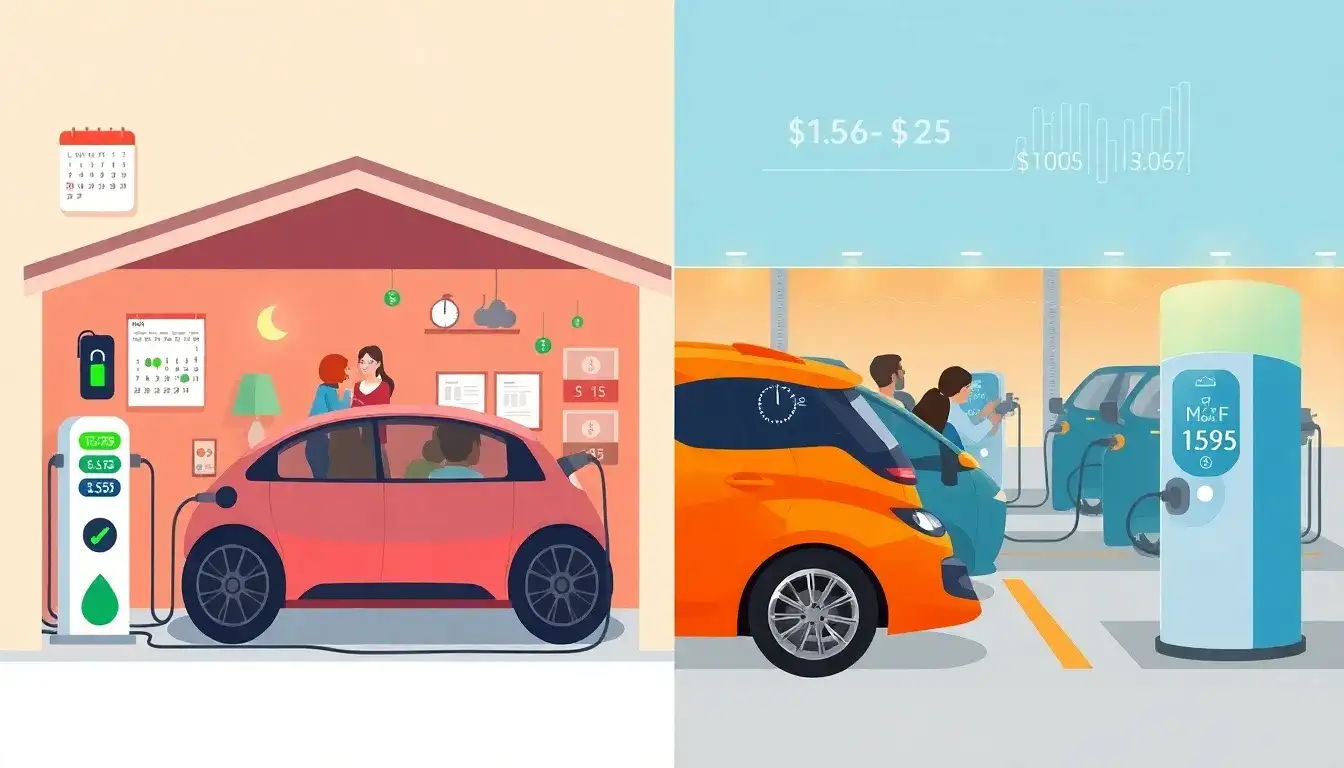
The efficiency of slow charging can significantly impact the overall costs associated with EV ownership by affecting both the battery health and electricity expenses.
Impact on Battery Health
- Preservation of Battery Capacity: Slow charging is gentler on batteries, minimizing heat and degradation, which helps extend battery life and maintain performance. This means that EV owners can delay or even avoid expensive battery replacements or repairs, thereby reducing long-term costs.
- Reduction in Maintenance Needs: By preserving battery health, slow charging can reduce the need for frequent maintenance checks and repairs. This can lead to cost savings over time as batteries remain more efficient for longer periods.
Electricity Costs
- Off-Peak Charging: Slow charging, typically done overnight at home, allows EV owners to take advantage of off-peak electricity rates. This can significantly reduce energy costs compared to using fast chargers during peak daylight hours.
- Convenience and Planning: While fast charging offers convenience for long trips, slow charging provides a cost-effective solution for daily driving needs. By planning charging sessions during off-peak hours, EV owners can optimize their energy expenses.
Balancing Convenience and Cost
- Flexibility in Charging Needs: While slow charging is beneficial for regular use, there are situations where fast charging is necessary, such as during long road trips. Balancing the use of both slow and fast charging strategies can help manage overall costs while maintaining convenience.
In summary, slow charging is not only beneficial for maintaining battery health but also reduces electricity costs by leveraging off-peak charging hours. This makes it a cost-effective strategy for EV ownership, especially for those who prioritize long-term savings over immediate charging speed.
Original article by NenPower, If reposted, please credit the source: https://nenpower.com/blog/how-does-the-efficiency-of-slow-charging-impact-overall-ev-ownership-costs/

