

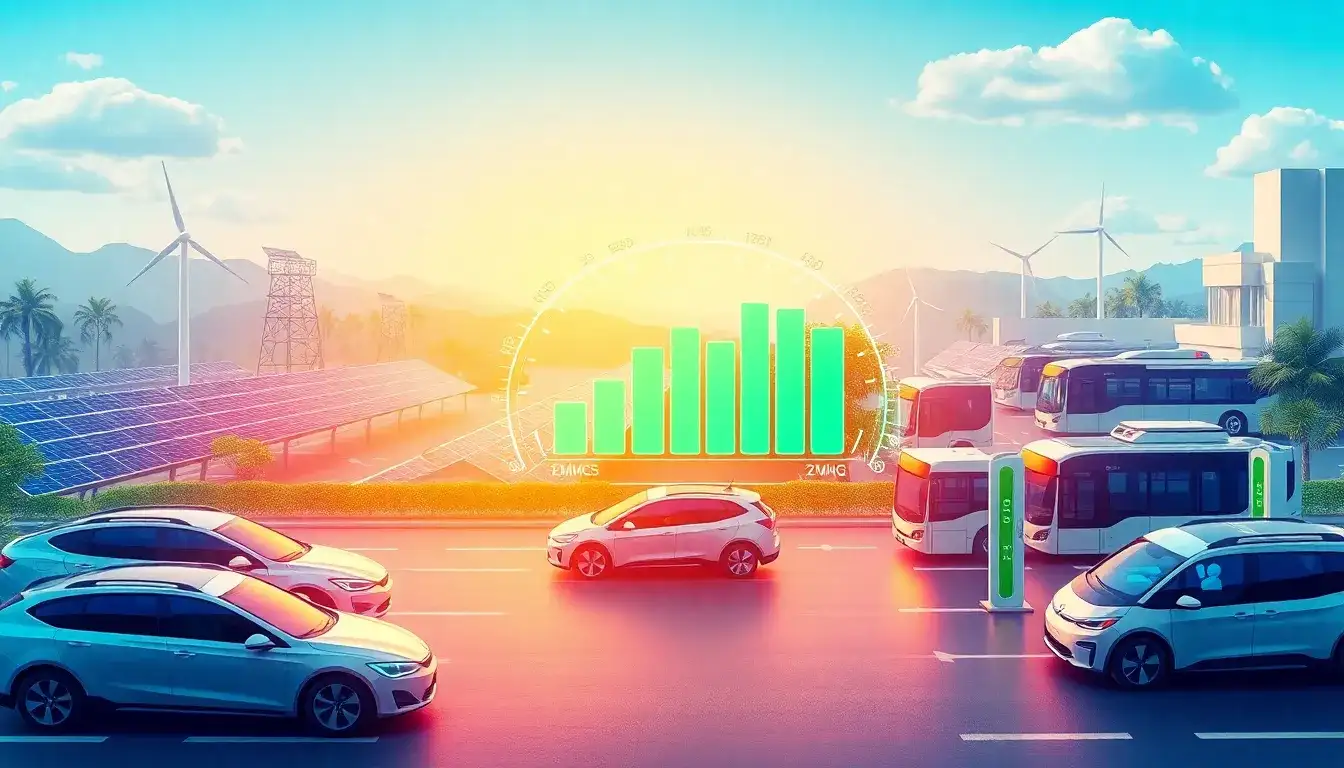
Efficiency and Emissions
- Electricity Generation Emissions: EVs produce zero tailpipe emissions but generate emissions during electricity production. In the U.S., for example, generating one kilowatt-hour (kWh) of electricity emits about 373 grams of CO2 on average, though this varies by region. More efficient EVs require less electricity per mile, reducing these upstream emissions.
- Efficiency Comparison: Efficient EVs can drive 3.5 miles per kWh, while less efficient ones might only achieve 2.5 miles per kWh. This difference can lead to a 40% reduction in CO2 emissions from electricity generation for more efficient models.
- Lifetime Emissions: Overall, EVs tend to have lower lifetime emissions than conventional vehicles. Their efficiency and the potential for cleaner electricity sources (like wind and solar) mean they can significantly reduce greenhouse gas emissions compared to gasoline cars.
Factors Influencing Emissions
- Renewable Energy: The use of renewable energy for electricity generation further reduces the carbon footprint of EVs. As more electricity is generated from sources like wind and solar, the emissions associated with EVs decrease.
- Battery Production: While battery manufacturing contributes to emissions, these are offset by the reduced emissions during operation. The efficiency of EVs enhances this advantage by minimizing electricity consumption.
- Regional Energy Mix: The emissions impact of EVs varies by region due to differences in power generation methods. Areas using more renewable energy will have lower emissions from EVs compared to regions reliant on fossil fuels.
In summary, the efficiency of EVs is crucial for reducing emissions because it minimizes electricity consumption, which in turn decreases emissions from power generation. As the energy mix shifts towards more renewable sources, the environmental benefits of EVs will continue to grow.
Original article by NenPower, If reposted, please credit the source: https://nenpower.com/blog/how-does-the-efficiency-of-electric-vehicles-impact-their-overall-emissions/

