

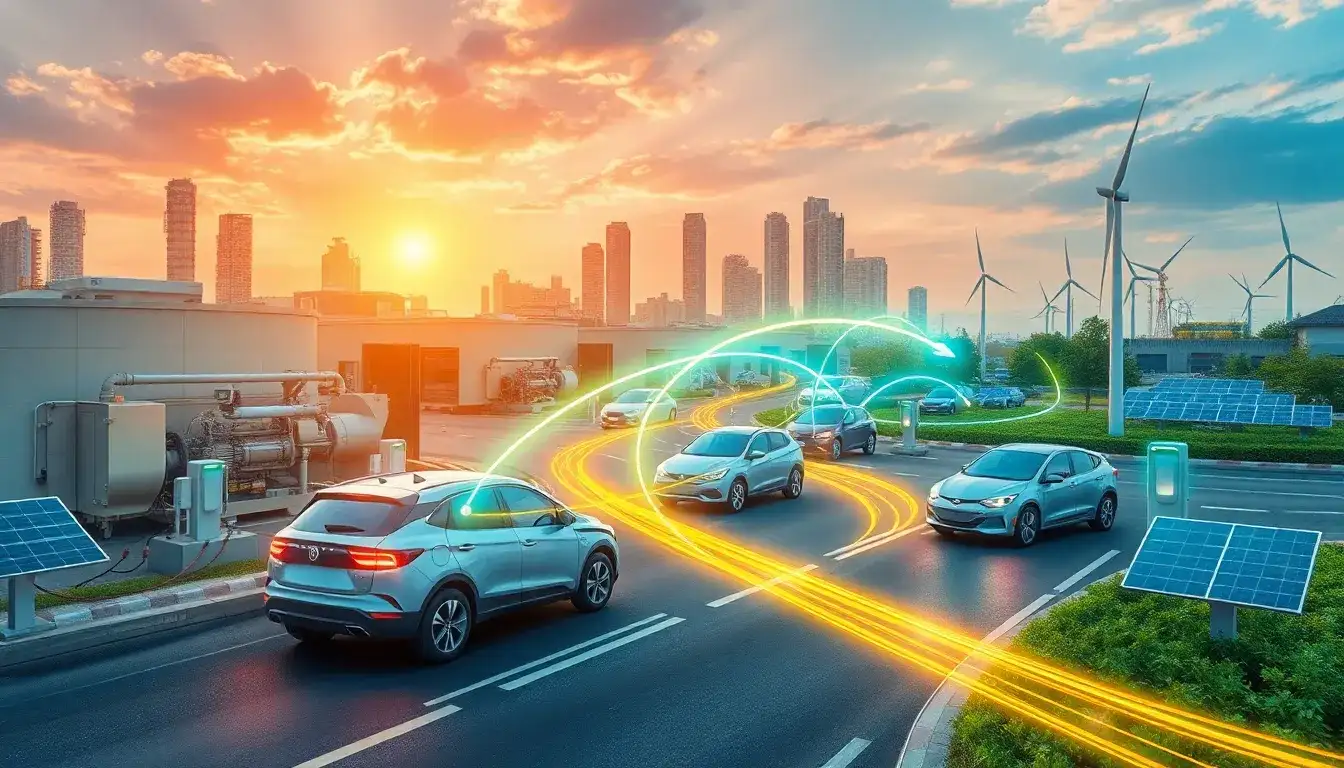
The deployment of Plug-in Hybrid Electric Vehicles (PHEVs) influences the efficiency of electric generators primarily through changes in load patterns and the potential for vehicle-to-grid (V2G) services.
Impact on Generator Efficiency
- Load Shifting to More Efficient Generators: PHEVs introduce additional electricity demand when charging their batteries, but this demand can be flexibly timed. By scheduling charging during off-peak hours or when cleaner, more efficient generators are operating, PHEVs help shift electrical load from less efficient to more efficient generators. This load shifting leads to improved overall generation efficiency, as the grid can reduce the cycling of less efficient plants and increase the utilization of baseload power plants designed for steady output.
- Reduced Cycling of Power Plants: Increased charging demand from PHEVs can increase the loading of baseload plants, thereby reducing the frequent ramping up and down (“cycling”) of power plants. This lowered cycling translates to reduced operational costs and increased generator efficiency because plants operate closer to their optimal output.
- Vehicle-to-Grid (V2G) Services: PHEVs can provide two key V2G functions: energy storage and ancillary services. By discharging electricity back to the grid during peak demand periods or providing regulation and spinning reserves, PHEVs can partially replace conventional peaking and reserve generation capacity. This ability enhances grid management and can reduce reliance on less efficient, high-emission generators, further improving the effective efficiency of the generation fleet.
Emissions and Efficiency Trade-offs
- While PHEV charging increases total electric generation and results in some increases in CO2 and SO2 emissions due to additional fuel consumption, the marginal emissions rates vary depending on when and how the PHEV loads are managed. Flexible charging reduces NOx emissions during critical periods by enabling load shifts to cleaner generation.
- The net effect on emissions and efficiency depends on the penetration level of PHEVs and the sophistication of charging management. Higher fleet sizes with optimized charging schedules lead to greater efficiency gains and emission benefits due to better utilization of efficient generation resources and grid services.
Summary
The deployment of PHEVs enhances electric generator efficiency by enabling load shifting to more efficient baseload plants, reducing plant cycling, and offering ancillary services via V2G. These effects help optimize generation dispatch, reduce reliance on inefficient peaking plants, and improve overall grid operation efficiency, though with some increases in total electricity demand and associated emissions. The timing and control of PHEV charging are critical to maximizing these benefits.
Original article by NenPower, If reposted, please credit the source: https://nenpower.com/blog/how-does-the-efficiency-of-electric-generators-change-with-the-deployment-of-phevs/

