

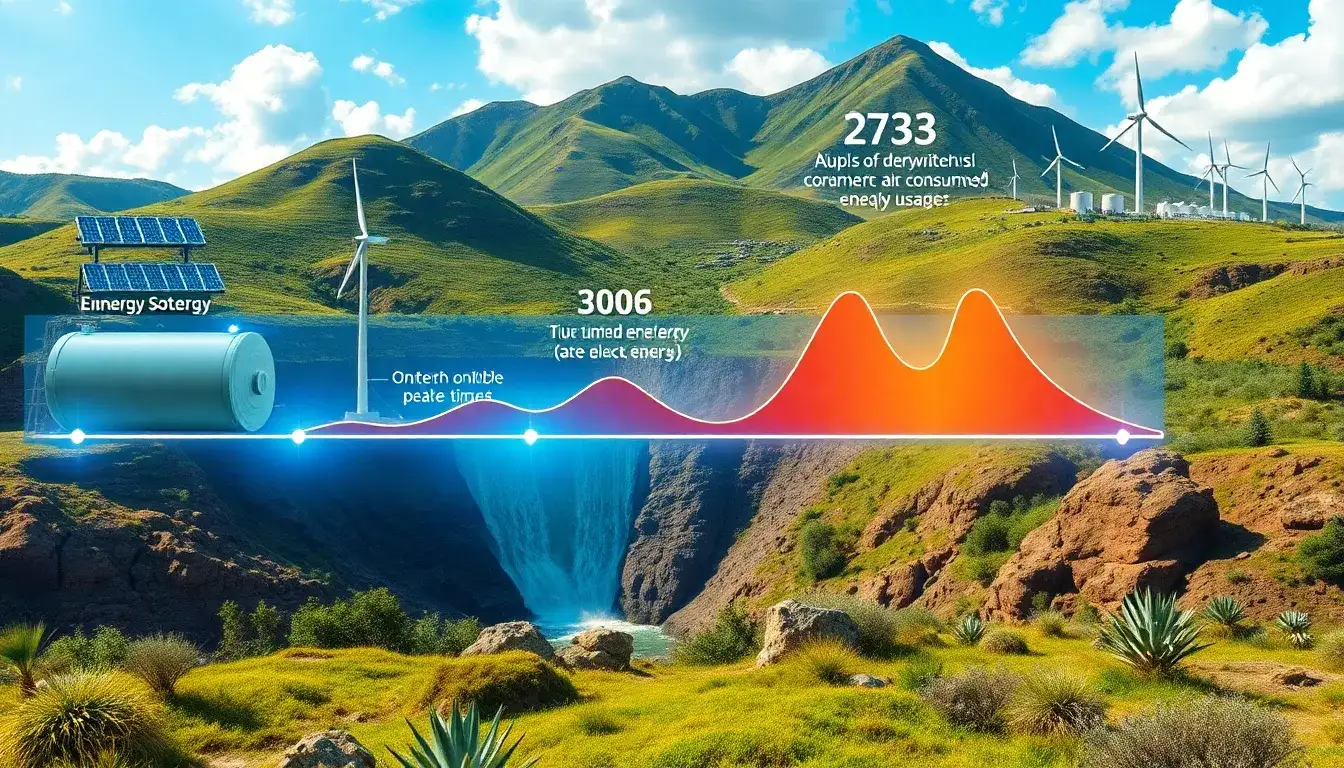
The duration of energy storage systems plays a crucial role in their effectiveness, especially during peak events such as high demand periods or grid outages. Understanding how duration impacts effectiveness involves examining capacity, technology, and operational efficiency.
Impact of Duration on Effectiveness
- Peak Demand Management: Energy storage systems with longer durations (typically >10 hours) can provide continuous power during extended peak periods. This is essential for managing high electricity demand without relying solely on the grid.
- Grid Resiliency: Long-duration energy storage (LDES) enhances grid resiliency by offering backup power during outages, reducing reliance on fossil fuels and ensuring consistent electricity supply. LDES technologies like pumped hydro and power-to-gas can store energy for extended periods, supporting grid stability over several days or even weeks.
- Technological Limitations: Different technologies have varying capacities for long-duration storage:
- Mechanical Systems (e.g., pumped hydro) are effective for long durations but have geographical limitations.
- Electrochemical Systems (e.g., flow batteries) offer flexibility but are often more expensive than mechanical solutions.
- Chemical Systems (e.g., power-to-gas) can store for very long durations but have lower round-trip efficiency.
- Cost and Efficiency: Effective use of energy storage during peak events also depends on cost and efficiency. Systems with high round-trip efficiency (like lithium-ion batteries at about 85%) are preferred for regular use, while lower efficiency systems may be viable for infrequent, long-duration applications.
- Operational Constraints: The cyclic life of batteries (number of charge/discharge cycles) affects their long-term effectiveness. Short-duration systems are less efficient if used for long periods, as they may degrade faster.
Practical Applications
- California’s Energy Transition: Long-duration storage is crucial for meeting zero-emission targets. Scenarios suggest that even 100-hour storage can capture a significant market share if costs align with those of lithium-ion batteries.
- Grid Stability: Long-duration storage can help mitigate curtailment of renewable energy sources by storing excess energy produced during periods of low demand for later use when demand peaks.
In summary, the effectiveness of energy storage systems during peak events is significantly influenced by their duration, with long-duration systems offering greater flexibility and resilience for prolonged periods of high demand or grid instability.
Original article by NenPower, If reposted, please credit the source: https://nenpower.com/blog/how-does-the-duration-of-energy-storage-systems-impact-their-effectiveness-during-peak-events/

