

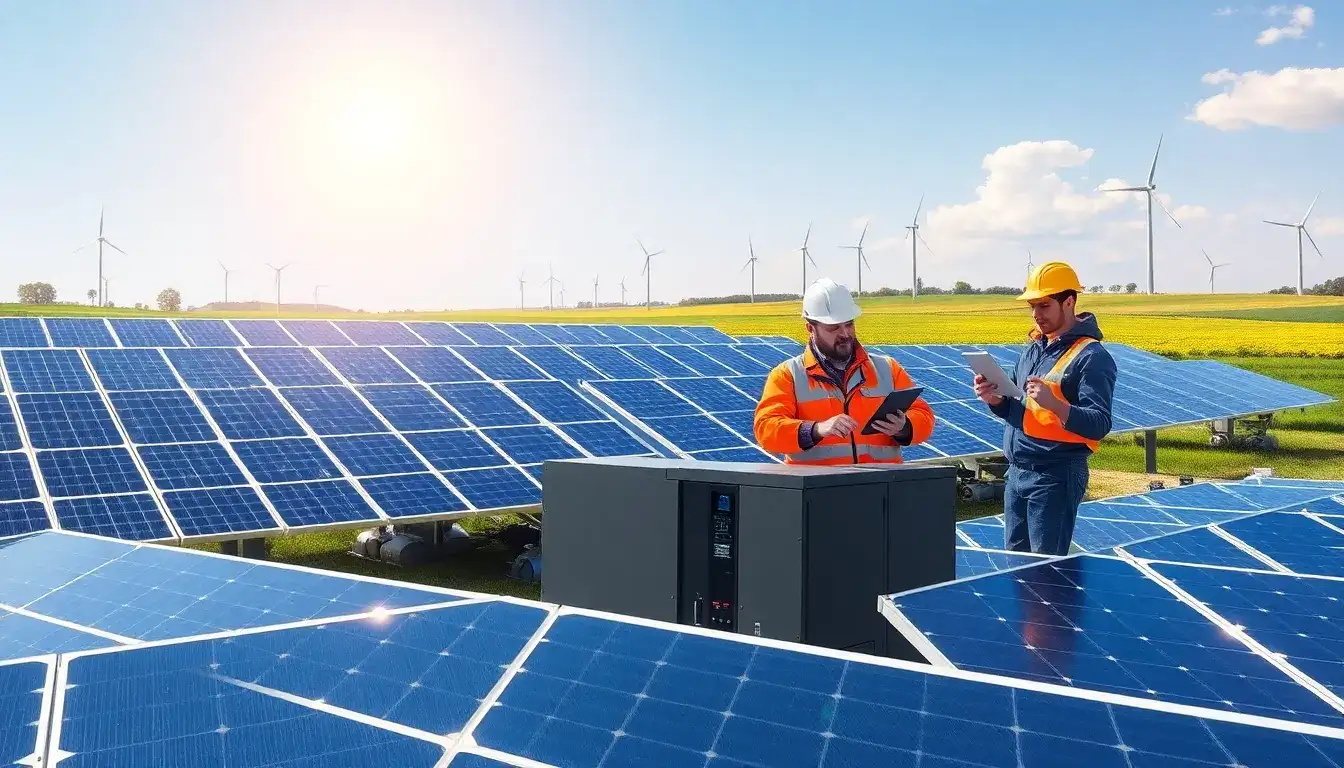
Solid-state batteries’ enhanced durability significantly reduces maintenance requirements in solar energy systems compared to traditional lithium-ion setups. Here’s how:
Extended Lifespan
Solid-state batteries last 10–20 years, far exceeding the typical lifespan of lithium-ion batteries. This reduces replacement frequency, as traditional systems often require battery swaps every 5–10 years. Fewer replacements mean less labor and material costs over the system’s lifetime.
Cycle Stability
With 8,000–10,000 charge cycles (or up to 3,000 cycles under certain material conditions), solid-state batteries endure more frequent charging from solar panels without rapid degradation. This reduces maintenance interventions related to capacity loss or performance monitoring.
Temperature Resilience
Their stable operation across wider temperature ranges minimizes thermal management needs—unlike lithium-ion systems, which require active cooling/heating to prevent degradation. This simplifies maintenance schedules by eliminating associated component upkeep (e.g., cooling fans, liquid coolant refills).
Safety Benefits
The absence of liquid electrolytes reduces risks of leakage or thermal runaway, lowering the likelihood of emergency maintenance or safety-related component checks.
Cost Implications
Longer intervals between replacements and fewer repairs reduce long-term labor costs and downtime, making solar systems more reliable with minimal upkeep.
In summary, solid-state batteries enable “install-and-forget” maintenance schedules for solar energy storage, prioritizing durability over frequent servicing.
Original article by NenPower, If reposted, please credit the source: https://nenpower.com/blog/how-does-the-durability-of-solid-state-batteries-affect-the-maintenance-schedule-of-solar-energy-systems/

