

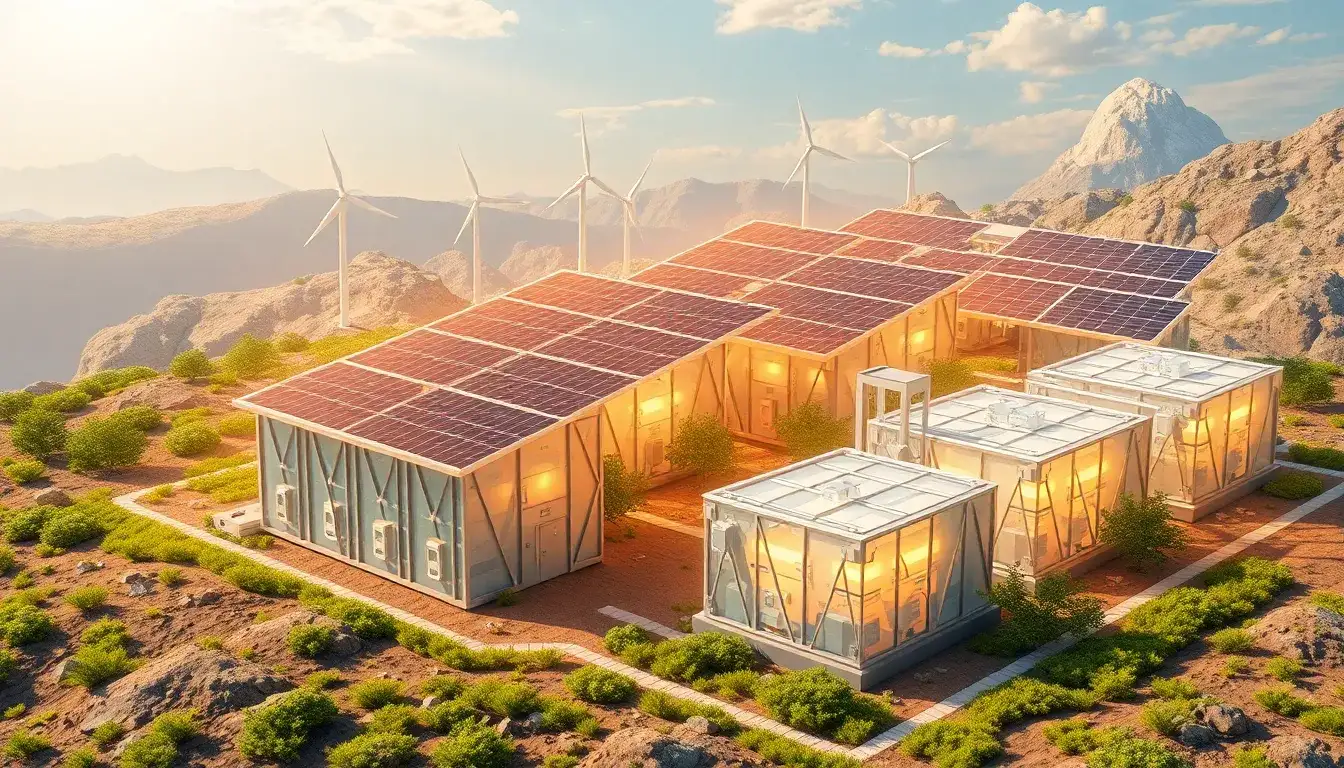
Bifacial solar panels’ enhanced durability directly improves their compatibility with energy storage systems by ensuring consistent, long-term performance and reducing maintenance-related disruptions. Here’s how their durability impacts integration:
1. Long-Term Reliability Matches Storage Lifespans
Bifacial panels are double-glass constructed, making them more resistant to hail, wind, and debris compared to monofacial panels. This durability extends their operational lifespan to 30+ years (vs. 25 years for monofacial), aligning better with modern lithium-ion storage systems, which typically last 10–15 years. The reduced degradation rate ensures stable energy output over decades, minimizing storage system downtime caused by panel replacements.
2. Resilience Reduces Maintenance Needs
Their frameless designs and robust construction lower risks of corrosion and physical damage, even in harsh environments. This reduces maintenance costs and ensures consistent energy harvesting, which is critical for storage systems requiring predictable input to manage charge/discharge cycles effectively. Vertical installations further mitigate snow/debris accumulation, maintaining energy flow to storage during adverse weather.
3. Enhanced Output in Diverse Conditions
Bifacial panels capture 10–20% more energy via rear-side light absorption, even in cloudy conditions. This higher, more consistent output reduces the strain on storage systems during low-light periods, allowing batteries to operate within optimal charge ranges and prolonging their lifespan.
4. Temperature Performance
While bifacial panels face similar heat-related efficiency drops (temperature coefficient of -0.2% to -0.5%/°C), their durable construction better withstands thermal expansion/contraction stresses. This reliability ensures stable energy generation in hot climates, preventing abrupt output fluctuations that could challenge storage systems’ power management.
Cost-Benefit Alignment
Though bifacial panels cost ~10% more upfront, their durability and efficiency lead to lower levelized storage costs over time. Reduced replacement frequency and higher energy yield make them a cost-effective partner for long-duration storage solutions.
Original article by NenPower, If reposted, please credit the source: https://nenpower.com/blog/how-does-the-durability-of-bifacial-solar-panels-affect-their-integration-with-energy-storage-facilities/

