

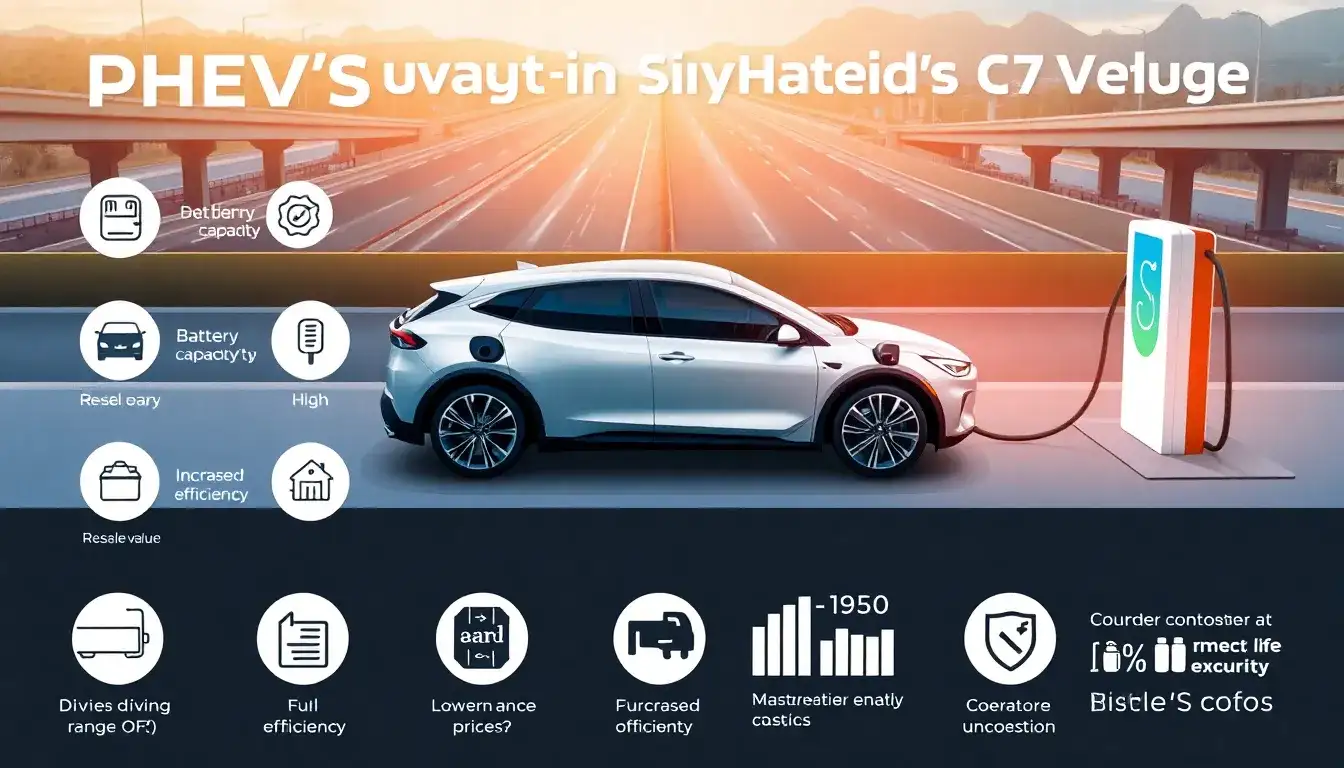
The driving range of plug-in hybrid electric vehicles (PHEVs) significantly impacts their overall cost, influencing both fuel (electricity and gasoline) expenses and the cost-effectiveness compared to conventional hybrids and gasoline cars.
How Driving Range Affects PHEV Costs
1. Electric-Only Range and Fuel Savings
- PHEVs have a limited electric-only driving range, commonly around 25 to 50 miles, after which they switch to hybrid gasoline-electric mode. The value of the electric range is that driving within this range on electricity is usually cheaper than gasoline, leading to fuel cost savings.
- However, the actual cost advantage depends on how much the driver utilizes this electric range. Maximizing electric-only miles reduces gasoline use and fuel costs, whereas frequent driving beyond the electric range reduces this benefit.
2. Higher Initial Vehicle Cost
- PHEVs typically have a higher purchase price than comparable hybrids or traditional gasoline vehicles because of their larger batteries and dual powertrains. This upfront premium needs to be offset by fuel savings over time to justify the investment.
3. Fuel Economy Beyond Electric Range
- Once the electric range is depleted, PHEVs operate as hybrids, which may have fuel economy close to, but not always better than, conventional hybrids. In some cases, the cost per mile when driving a PHEV beyond its electric range can be higher than a regular hybrid, especially in areas with high electricity rates. For example, a Prius Prime owner in California found that cost per mile on electricity was higher than the hybrid version’s gas costs due to expensive electricity rates and limited electric range.
4. Electricity Costs and Charging Efficiency
- Electricity rates, PHEV efficiency (miles per kWh), and charging habits influence the monthly cost of charging. A more efficient PHEV with a longer electric range requires fewer kWh per mile, reducing costs. Conversely, a shorter electric range limits electric driving usage and raises reliance on gasoline.
- Longer electric ranges generally mean more miles covered cheaply on electricity rather than gasoline, lowering the average cost per mile.
5. Overall Cost Impact
- The overall cost-effectiveness of PHEVs depends on balancing the higher upfront vehicle cost against fuel savings gained from driving within their electric range. The longer the electric range and the more the vehicle is charged and driven on electricity, the more the fuel savings can offset the higher vehicle cost over time.
- If the electric range is short or seldom utilized, the savings decrease, making the PHEV potentially more expensive overall than a conventional hybrid or gasoline vehicle.
Summary
- PHEVs with longer electric-only ranges generally offer better fuel savings, reducing overall operating costs by minimizing gasoline use.
- Higher initial vehicle costs require substantial use of the electric driving range to be cost-effective.
- Electricity costs and regional variations impact savings. High electricity prices can diminish the advantage of electric driving.
- If drivers frequently exceed the electric range or live where electricity is costly, PHEVs may not save money compared to hybrids.
Hence, the electric driving range of PHEVs is a key factor influencing their total cost of ownership, with longer ranges improving fuel savings and cost efficiency, but only if the electric range is effectively utilized in daily driving.
Original article by NenPower, If reposted, please credit the source: https://nenpower.com/blog/how-does-the-driving-range-of-phevs-impact-their-overall-cost/

