

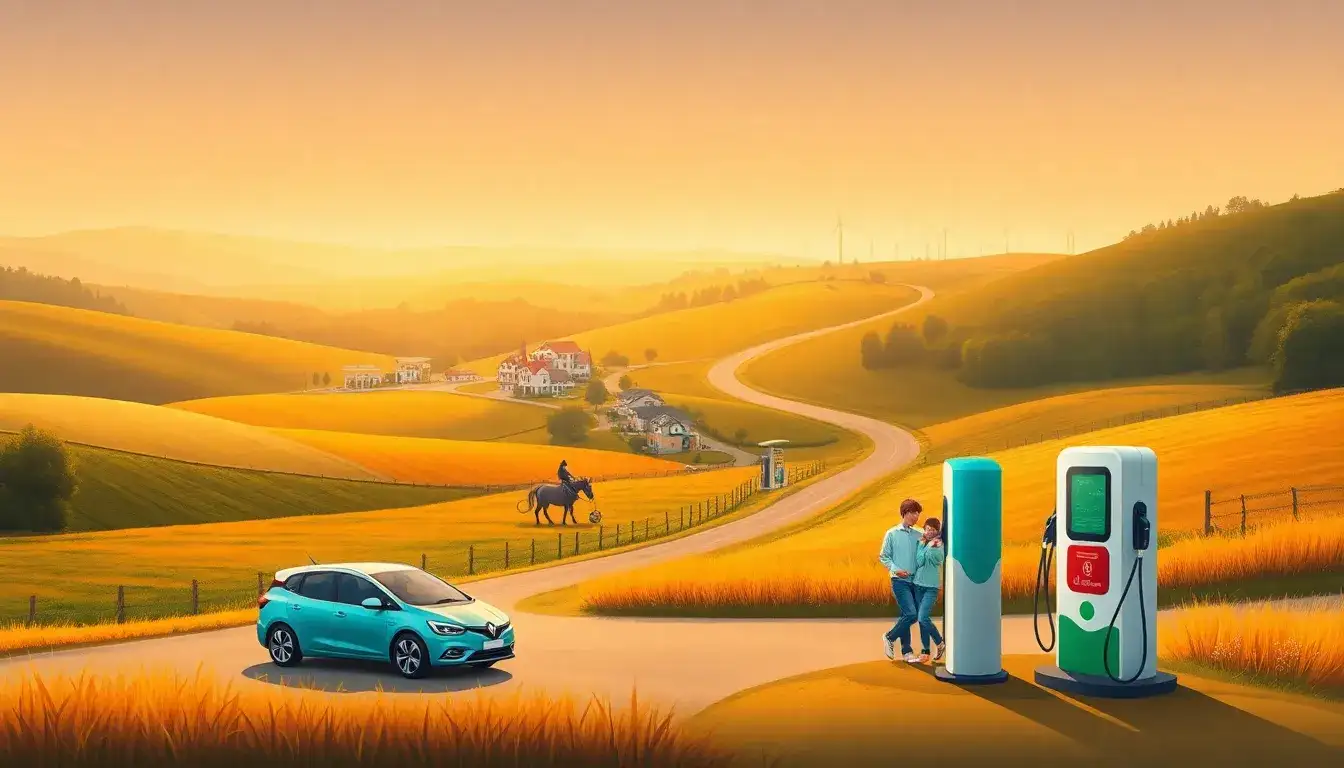
The distance to the nearest charging station significantly impacts electric vehicle (EV) usage in rural areas by creating range anxiety and practical challenges that hinder adoption and everyday use.
Key impacts include:
- Range Anxiety and Travel Concerns: Rural drivers often travel longer distances between destinations than urban drivers. When charging stations are far apart, rural EV users worry about their vehicle running out of battery power during trips. This concern is intensified by the scarcity of fast-charging options in rural locations, making recharging time-consuming and inconvenient. Unlike cities, where dense networks of chargers reduce such worries, rural residents face uncertainty about where and when they can recharge even on short trips.
- Charging Infrastructure Scarcity: Rural areas have fewer EV charging stations due to lower population density and demand. This results in longer travel distances to access chargers, further discouraging EV use because drivers must plan around limited charging availability.
- Installation and Maintenance Costs: The cost to install and maintain EV chargers in rural regions is high relative to usage, as fewer users mean less financial return. This results in fewer charging stations being developed, perpetuating access issues and limiting EV adoption.
- Additional Challenges: Rural EV users also face concerns about charger reliability, slower charging speeds, protection from weather during charging, especially in cold climates, and sometimes unreliable electric service, all of which are exacerbated by the greater distances to charging locations.
Efforts to place public fast chargers and Level 2 chargers strategically along rural travel corridors and at key destinations aim to mitigate the impact of distance on EV usage by providing more predictable and accessible charging opportunities. Moreover, funding programs exist to help rural communities plan and finance EV infrastructure to reduce these distance barriers.
In summary, the greater distances to the nearest charging stations in rural areas create a significant barrier to EV adoption and usage by increasing range anxiety, travel planning complexity, and inconvenience compared to urban areas where chargers are more abundant and closer together. Addressing these gaps through targeted infrastructure development is essential to supporting rural EV drivers.
Original article by NenPower, If reposted, please credit the source: https://nenpower.com/blog/how-does-the-distance-to-the-nearest-charging-station-impact-ev-usage-in-rural-areas/

