

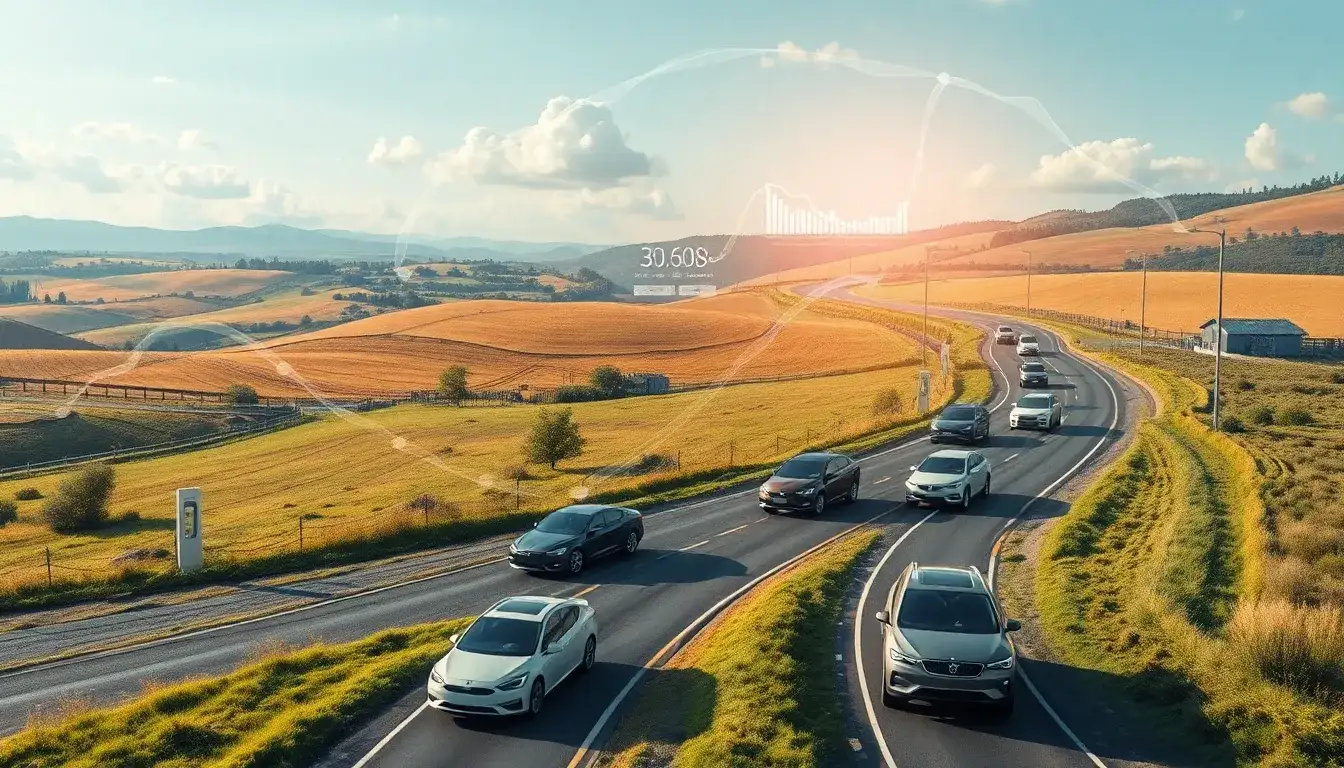
The distance driven in rural areas affects electric vehicle (EV) efficiency primarily through factors related to longer trip lengths and limited charging infrastructure, which have implications for EV use and range management in those settings.
Key points impacting EV efficiency with longer rural driving distances:
- Longer Trip Lengths and Range Requirements: Rural drivers typically travel longer distances between destinations compared to urban drivers. This makes the effective range of the EV a critical factor, as rural drivers need vehicles that can cover long distances on a single charge to avoid range anxiety. The median EV range in 2024 is about 270 miles, with some models exceeding 500 miles, which helps address this challenge. However, planning and calculating the range needed for rural trips is essential for efficient operation.
- Lower Density and Charging Scarcity: Rural areas have lower population densities and fewer EV charging stations, often concentrated in cities or along major highways. This sparse infrastructure means rural EV users must plan charging stops carefully, potentially impacting driving patterns and energy use efficiency due to detours or waiting times at chargers. This logistical challenge can reduce overall EV efficiency if the vehicle cannot be recharged conveniently or quickly enough during long drives.
- Energy Efficiency and Terrain: While electric motors are inherently energy efficient (EVs are generally over 3.6 times more efficient than similar internal combustion engine vehicles), rural driving may involve varied terrain or higher average speeds, which can affect energy consumption and reduce efficiency per distance traveled. This is typical in rural areas with rolling hills or mountainous roads.
- Cold Weather Impact: Many rural areas experience cold weather, which further impacts EV efficiency. Battery performance and range can drop significantly in freezing conditions, thus increasing the effective energy consumption per mile driven. This is a notable point for rural drivers in colder climates who need to consider weather-related range loss in planning trips.
- Economic and Environmental Benefits: Despite these challenges, EVs still offer rural drivers significant savings on fuel and maintenance costs over the long term, as well as reductions in environmental impact from transportation, which are important benefits for rural communities with distances driven factored in.
In summary, the longer distances driven in rural areas require EVs with sufficient range and reliable charging infrastructure to maintain high efficiency. Without these, EV efficiency can be reduced due to range anxiety, detours for charging, and weather effects. However, advances in battery technology and increasing EV ranges are progressively mitigating these challenges, improving rural EV efficiency even for longer trips. Rural planners and policymakers focus on expanding charging networks and supporting EV adoption to close the efficiency and usage gap between rural and urban areas.
Original article by NenPower, If reposted, please credit the source: https://nenpower.com/blog/how-does-the-distance-driven-in-rural-areas-affect-ev-efficiency/

