

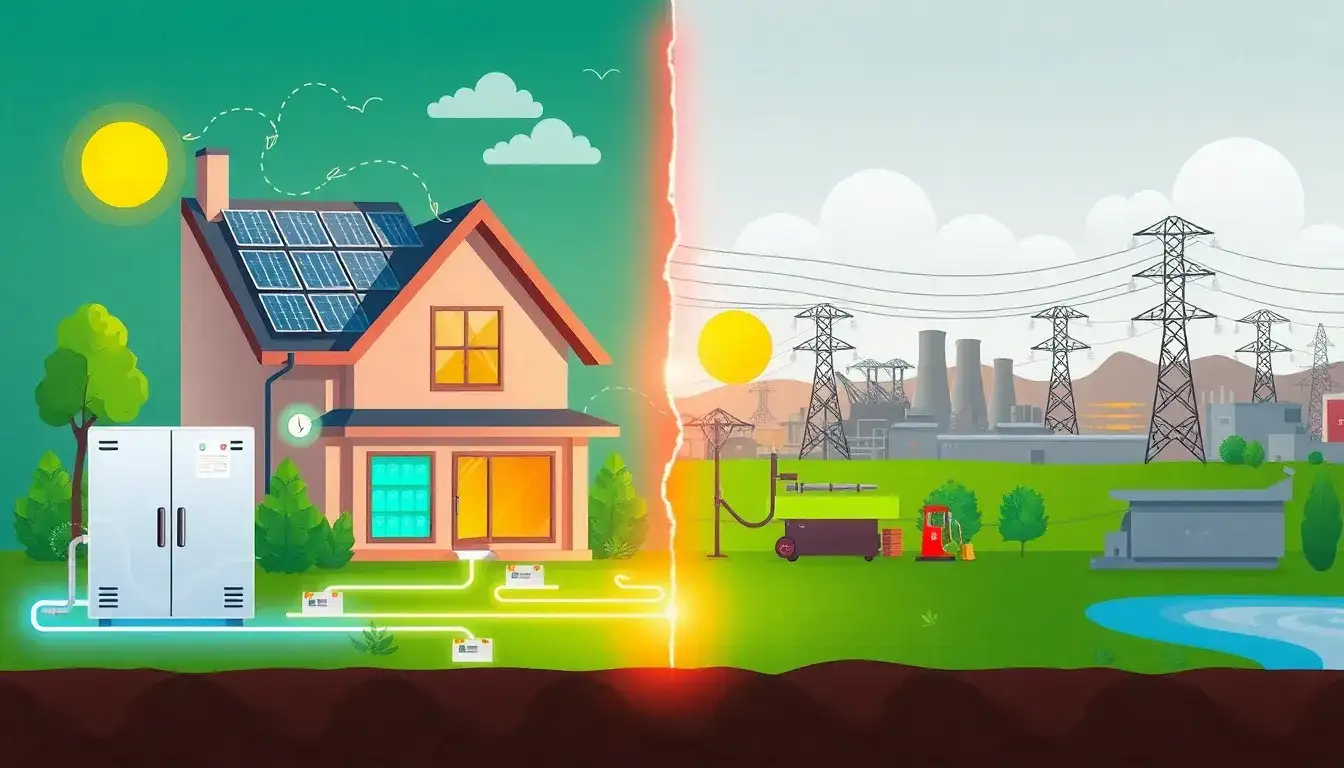
Comparing the cost of residential energy storage systems to traditional energy sources
Comparing the cost of residential energy storage systems to traditional energy sources involves examining both upfront costs and long-term savings. Here’s a breakdown of how residential energy storage, such as home batteries, compares to traditional energy sources:
Residential Energy Storage Systems
Costs
- Upfront Costs: Residential energy storage systems, like home batteries, typically range in cost from about $1,000 to $1,500 per kWh for a professionally installed system, with prices varying based on size and brand. For a typical 13 kWh system, this could cost between $13,000 to $19,500.
- Installation and Maintenance: Additional costs include installation, maintenance, and potential future battery replacements.
- Incentives: Federal and state tax credits can significantly reduce these costs, often by up to 30% of the system’s price.
Benefits
- Savings on Utility Bills: Home batteries can help manage electricity costs, especially in areas with time-of-use pricing, by storing energy when it’s cheaper and using it during peak hours.
- Energy Independence: Batteries paired with solar panels can significantly reduce reliance on the grid, leading to substantial energy bill savings.
- Environmental Benefits: Lower grid usage can result in reduced carbon emissions, contributing to a more sustainable energy future.
Traditional Energy Sources
Costs
- Monthly Utility Bills: These depend on usage and can vary widely based on location, usage patterns, and time-of-use pricing.
- No Upfront Costs: Traditional energy sources typically involve no upfront purchase or installation costs for the consumer.
Benefits
- Convenience and Availability: Traditional energy is widely available and often more convenient for consumers who don’t want to manage their energy storage.
- Lower Initial Costs: No need to invest in hardware or installation upfront.
Comparison
| Aspect | Residential Energy Storage Systems | Traditional Energy Sources |
|---|---|---|
| Initial Costs | High upfront cost for hardware and installation | No upfront cost |
| Monthly Utility Bills | Potential for significant savings through optimized energy use | Costs depend on usage and pricing structures |
| Energy Independence | Can reduce grid reliance with solar integration | Complete reliance on grid |
| Environmental Impact | Reduces carbon footprint by using renewable energy | Higher carbon footprint from non-renewable sources |
| Maintenance & Incentives | Requires maintenance; eligible for tax incentives | No maintenance required; no incentives available |
In conclusion, while residential energy storage systems have higher upfront costs compared to traditional energy sources, they offer potential long-term savings, increased energy independence, and environmental benefits. The choice between them depends on a homeowner’s financial situation, energy needs, and preference for sustainability.
Original article by NenPower, If reposted, please credit the source: https://nenpower.com/blog/how-does-the-cost-of-residential-energy-storage-systems-compare-to-traditional-energy-sources/

