

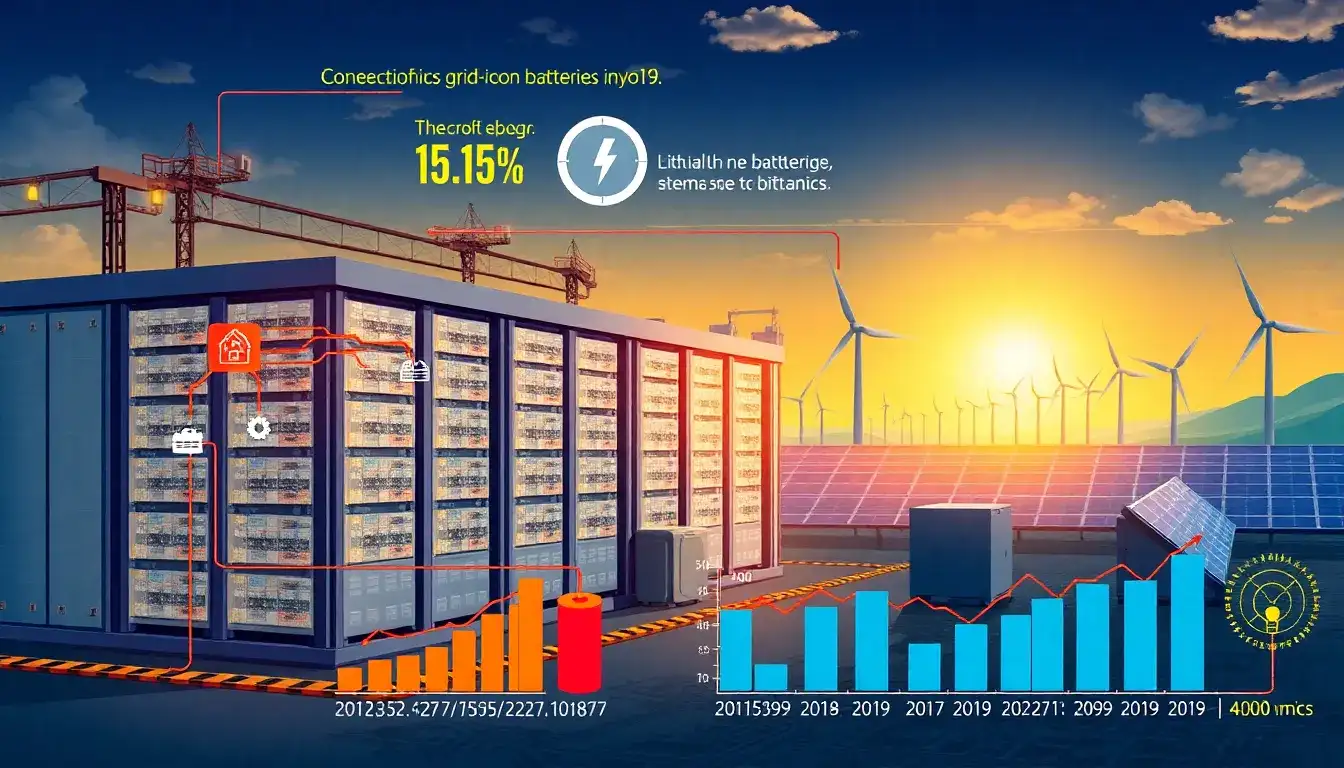
The cost of lithium-ion batteries significantly impacts their adoption in grid-scale energy storage, influencing both the economic viability and technological feasibility of these systems.
Impact of Lithium-Ion Battery Costs
- Economic Viability:
- Initial Investment: Lower battery costs reduce the initial capital expenditure for setting up grid-scale storage systems, making them more attractive for investors and utilities.
- Return on Investment (ROI): Cheaper batteries can lead to higher ROI by reducing the overall cost per kWh stored, allowing utilities to charge less for stored energy while maintaining profitability.
- Technology and Market Dynamics:
- Adoption Rate: Decreasing costs accelerate the adoption of lithium-ion batteries in grid-scale applications, as they become more competitive with other forms of energy storage like pumped hydro and compressed air energy storage.
- Market Competition: Lower costs foster market competition, driving further technological innovations and price reductions. This is evident from the recent adoption of lower-cost lithium iron phosphate (LFP) chemistries.
- System Costs Beyond Batteries:
- Balance of System (BOS) Costs: While lithium-ion battery costs are declining, other components of the storage system (like power conversion systems and installation) can still add significant costs. However, these costs are generally stable or decreasing more slowly than battery costs.
- Operational and Maintenance Costs: The cost of maintaining and operating lithium-ion battery systems is crucial. While variable O&M costs may be minimal, fixed costs can be significant over the system’s lifespan.
- Future Projections and Challenges:
- Price Trends: Analysts expect continued cost reductions due to technological advancements and economies of scale. However, factors like overcapacity in manufacturing and fluctuating raw material prices could affect future cost trajectories.
- Sustainability and Scalability: The long-term sustainability and scalability of lithium-ion batteries will depend on resolving supply chain challenges and environmental impacts associated with their production.
In summary, the cost of lithium-ion batteries is a critical factor in their adoption for grid-scale energy storage. As these costs continue to decline, we can expect increased deployment and further technological innovations in storage. However, challenges related to sustainability, supply chains, and operational costs remain important considerations for the long-term viability of lithium-ion battery systems in grid-scale applications.
Original article by NenPower, If reposted, please credit the source: https://nenpower.com/blog/how-does-the-cost-of-lithium-ion-batteries-impact-their-adoption-in-grid-scale-energy-storage/

