

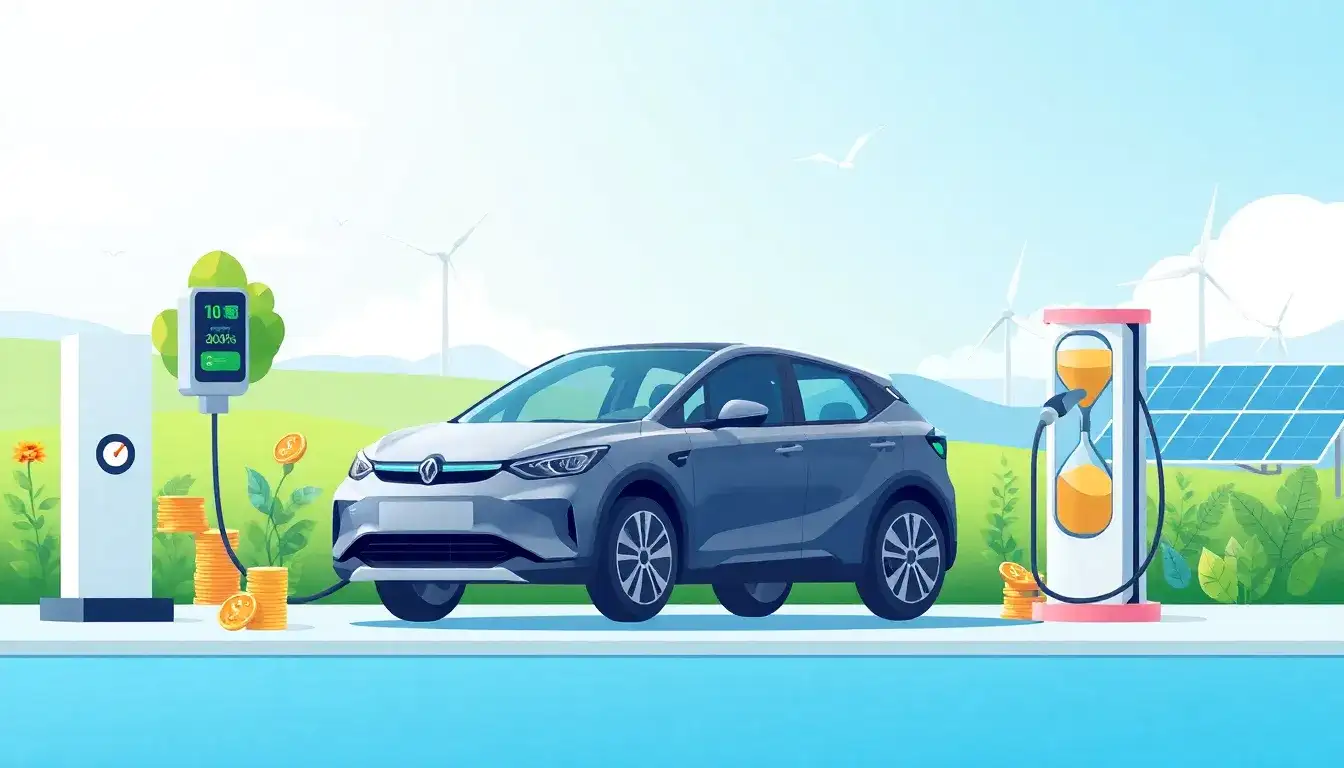
The cost of charging an electric vehicle (EV) does not directly impact its overall lifespan. However, the method and frequency of charging can significantly influence battery health and longevity.
Charging Methods and Battery Lifespan
- Level 1 (L1) Charging: This method is the least stressful on batteries, as it provides a slow charge with minimal heat buildup. L1 charging is generally considered to be more gentle on batteries compared to faster charging methods, potentially leading to a healthier battery lifespan. However, its slow rate of charging (about 3-5 miles per hour) makes it less practical for daily use.
- Level 2 (L2) Charging: L2 charging is faster and more commonly used for regular daily charging. It does not significantly impact battery health unless used excessively. Research indicates that the difference in battery health between L1 and L2 charging is not statistically significant.
- DC Fast Charging (DCFC): This method involves rapid charging, which can generate high temperatures and high currents, both of which strain the battery. Frequent use of DCFC, especially in hot climates, can accelerate battery degradation.
Maintenance Costs of Charging Infrastructure
- Maintenance Costs: While the cost of charging itself doesn’t directly affect battery lifespan, maintenance costs of charging infrastructure could indirectly influence how often and which charging method is used. Level 1 chargers have the lowest maintenance costs, followed by Level 2, and DCFC chargers are typically the most expensive to maintain.
Cost of Charging
- Charging Costs: The average cost of charging an EV is typically around $0.13 to $0.17 per kWh, though it can vary based on electricity rates. Some studies suggest the lifecycle cost could be around $0.168 per kWh, though innovative systems might reduce this to $0.107 per kWh. While the cost of charging does not directly impact battery lifespan, it can influence how often an owner might choose to charge or maintain the vehicle.
In summary, while the cost of charging itself doesn’t directly affect the lifespan of an EV, the method and frequency of charging do have a significant impact. By choosing appropriate charging methods and managing usage, owners can help extend their vehicle’s battery life.
Original article by NenPower, If reposted, please credit the source: https://nenpower.com/blog/how-does-the-cost-of-charging-an-ev-impact-its-overall-lifespan/

