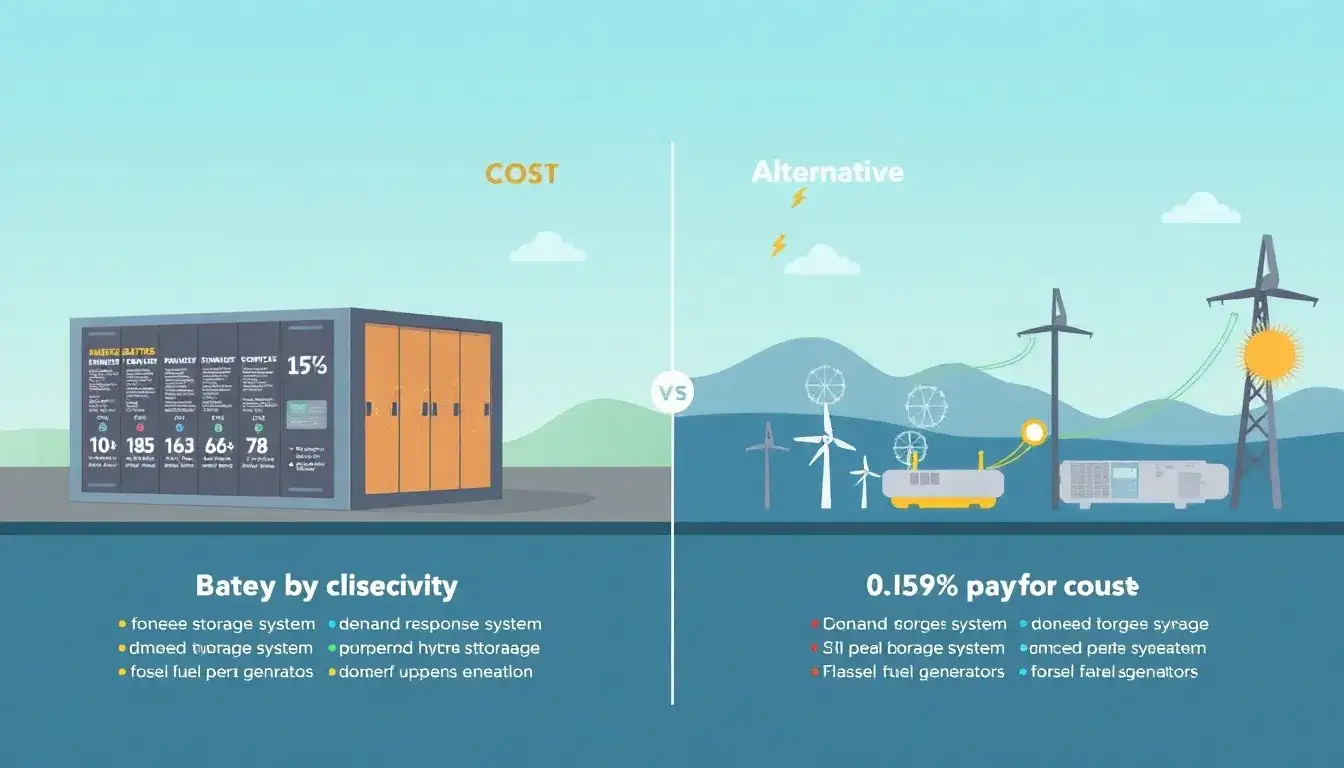
When comparing the cost of battery storage to other peak shaving methods, several factors come into play, including the initial investment, operational costs, and potential savings. Here’s a breakdown of these considerations:
Overview of Peak Shaving Methods
Peak shaving involves reducing short-term spikes in electricity demand to cut costs associated with peak usage. Common methods include using battery energy storage systems (BESS), adjusting operational schedules for flexible loads, and employing on-site generation sources like solar power.
Cost Comparison of Peak Shaving Methods
Battery Energy Storage Systems (BESS)
- Initial Investment: The cost of commercial battery storage systems typically ranges from $300 to $500 per kWh, depending on the system size and battery type. For residential use, costs can be similar, with examples like the Enphase 5P battery system costing around $4,550 net after tax credits for a system without grid backup capabilities.
- Ongoing Costs: Ongoing operational and maintenance costs for BESS are generally low, typically ranging from 2-5% of the initial system cost annually. Batteries need replacement every 10-15 years for most commercial systems.
- Savings: Peak shaving with BESS can lead to significant electricity cost savings by avoiding high demand charges during peak hours. The exact savings depend on the specific electricity pricing structure and frequency of peak demand events.
Other Peak Shaving Methods
- Load Shifting: This involves transferring electricity consumption from peak to off-peak times, suitable for flexible loads like electric vehicle charging. While load shifting can offer savings by leveraging lower off-peak rates, it requires the ability to adjust operational schedules, which not all businesses can accommodate.
- Operational Adjustments: Some businesses may reduce peak consumption by adjusting production schedules or using more efficient equipment. However, these strategies require operational flexibility that may not be feasible for continuous processes.
- On-Site Generation: Integrating on-site renewable energy sources like solar can support peak shaving by providing power during peak periods. However, this method’s effectiveness depends on the availability of sunlight and the cost of installing solar systems.
Financial Comparison
| Peak Shaving Method | Initial Cost | Ongoing Costs | Potential Savings |
|---|---|---|---|
| BESS | High ($300-$500/kWh) | Low (2-5% annually) | High (dependent on demand charges) |
| Load Shifting | Minimal (adjusting schedules) | Minimal | Moderate (dependent on rate differences) |
| Operational Adjustments | Variable (equipment upgrades or scheduling) | Variable | Variable (dependent on operational flexibility) |
| On-Site Generation | High (solar installation) | Minimal | Moderate to High (dependent on sunlight availability) |
In summary, while battery energy storage systems require a significant upfront investment compared to other peak shaving methods like load shifting or operational adjustments, they offer substantial savings potential, especially for managing demand charges. The choice between these methods should be based on factors like operational flexibility, energy usage patterns, and local electricity pricing structures.
Original article by NenPower, If reposted, please credit the source: https://nenpower.com/blog/how-does-the-cost-of-battery-storage-compare-to-other-peak-shaving-methods/