

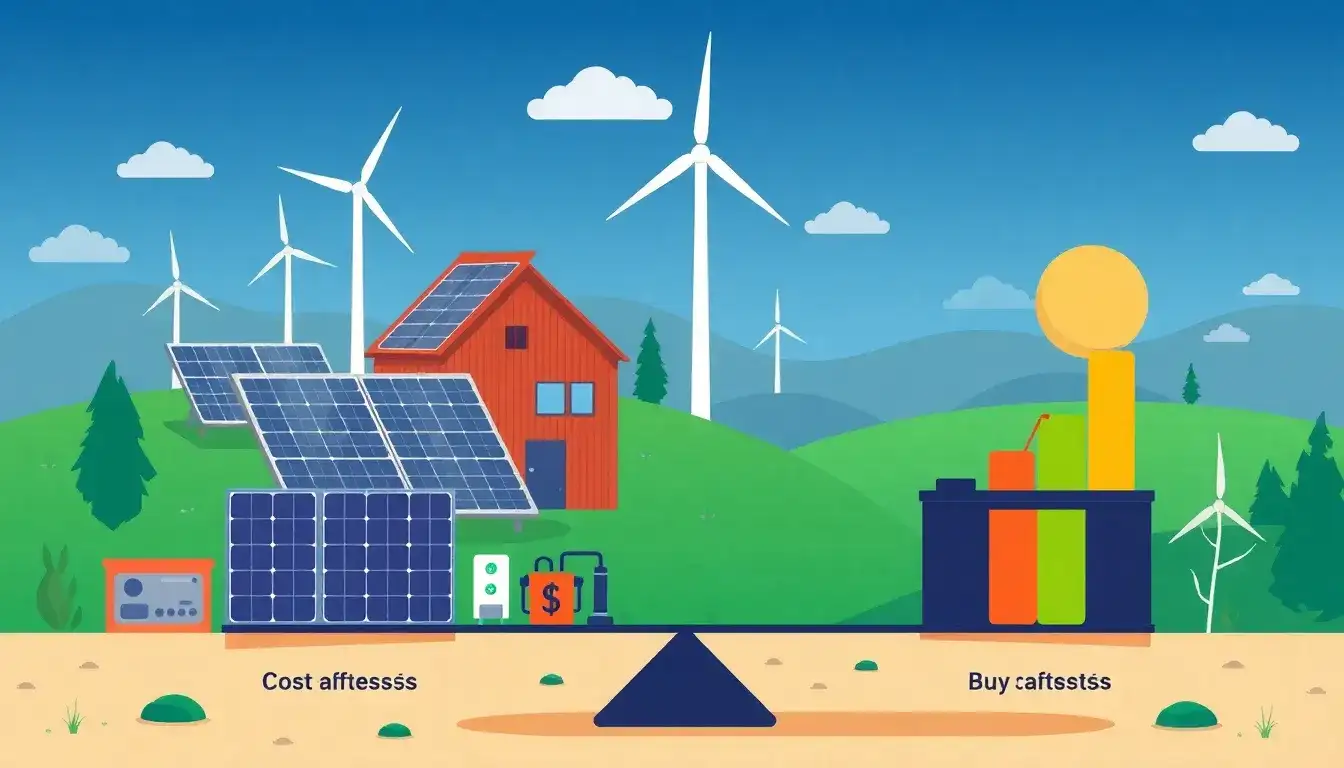
The cost of battery replacement significantly affects the overall expense of off-grid solar power systems. Here’s how it impacts the total cost:
Cost Factors in Off-Grid Systems
- Initial Battery Cost: The initial cost of batteries for off-grid systems can be substantial. For example, high-capacity batteries needed for off-grid setups can range from $10,000 to $20,000 or more, depending on the size and brand of the battery. Lead-acid batteries, commonly used in off-grid systems due to their lower cost, typically require multiple units and more frequent replacements, which still adds to the overall cost.
- Replacement Frequency: Off-grid systems often use lead-acid batteries, which have a shorter lifespan compared to lithium-ion batteries. Frequent replacements every 5-10 years, depending on usage and conditions, contribute significantly to long-term costs.
- Maintenance and Upgrades: Besides replacement costs, off-grid systems may require additional maintenance and upgrades over time. This includes ensuring compatibility with new technology and ensuring efficient energy storage and usage, which adds to the overall expense.
- Inverter and Additional Components: The cost of installing or replacing inverters, backup generators, and other essential components in off-grid systems can also increase the total cost. Inverters may need to be replaced concurrently with batteries if they become outdated or incompatible, adding a couple thousand dollars to the cost.
- Solar Panel and System Efficiency: The efficiency of solar panels and the overall system design affects how effectively energy is captured and stored. Better efficiency can reduce the need for larger battery capacities, potentially lowering overall costs.
Economic Impact
- Long-term Cost Effectiveness: Despite the high upfront and replacement costs, off-grid systems can provide cost savings in areas where traditional grid connectivity is expensive or impractical.
- Reliability and Autonomy: Off-grid systems offer independence from grid outages and can be a better choice for remote locations.
- Environmental Benefits: They contribute to reduced carbon emissions by relying on solar power, making them an attractive choice for environmental sustainability.
Balancing Cost and Benefits
To optimize the cost-effectiveness of off-grid systems:
- Select high-quality batteries with a longer lifespan, like lithium-ion, if budget allows.
- Plan for frequent replacements in your budget if using lead-acid batteries.
- Regular maintenance can extend the lifespan of batteries and other components.
- Consider incentives such as rebates or tax credits that may be available for solar and battery installations.
Overall, while battery replacement costs are a significant factor in off-grid systems, they are part of a broader economic and environmental equation that considers overall system costs, efficiency, and sustainability benefits.
Original article by NenPower, If reposted, please credit the source: https://nenpower.com/blog/how-does-the-cost-of-battery-replacement-affect-the-overall-expense-of-off-grid-systems/

