

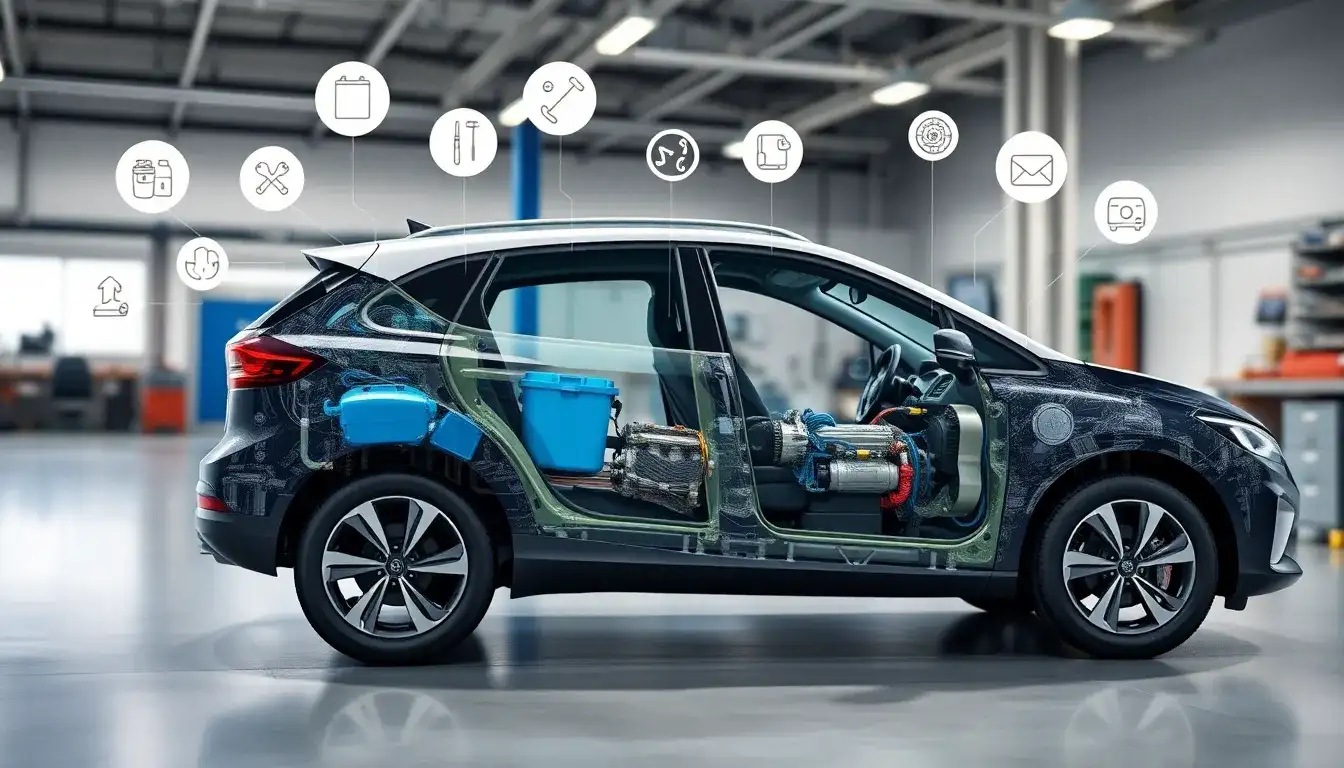
The complexity of Plug-in Hybrid Electric Vehicles (PHEVs) has a nuanced effect on their overall maintenance expenses.
PHEVs combine two propulsion systems in one vehicle: a traditional internal combustion engine and an electric motor with associated battery and power electronics. This dual system inherently increases mechanical complexity and the number of components that could potentially fail or need servicing. Because of this, one might expect PHEVs to have higher maintenance costs than conventional vehicles due to the added complexity and the need for specialized diagnostic tools and expertise.
However, data from large vehicle surveys and studies, including those reported by Consumer Reports, show that PHEVs actually have lower lifetime maintenance costs on average compared to traditional gasoline vehicles. One comprehensive study tracking costs up to 200,000 miles found that PHEVs cost about $4,600 in maintenance and repairs over their lifetime, whereas conventional gasoline cars averaged around $9,200.
This apparent contradiction can be explained by several factors:
- Electric components like the motor and battery have fewer moving parts than internal combustion engines, which reduces wear and tear.
- The regenerative braking system in PHEVs significantly reduces brake wear, lowering maintenance expenses related to braking components.
- Because drivers often use the electric motor and battery first, the gasoline engine and transmission operate less frequently, leading to reduced maintenance on traditional gas-powered parts.
- The blend of electric and gasoline propulsion may extend the longevity of certain components due to reduced strain.
Therefore, while the complexity of PHEVs presents unique maintenance challenges and may require specialized service, overall their hybrid system tends to reduce wear on many parts and leads to lower lifetime maintenance costs compared to conventional gasoline vehicles. The key factor is how often the vehicle is driven on electric power, which can greatly affect the wear and maintenance needs of the gasoline components.
In summary:
- PHEVs have more complex mechanical and electrical systems, which could increase potential maintenance points and require specialized service.
- Despite this, real-world data shows PHEVs have about half the lifetime maintenance cost of traditional gasoline cars.
- Reduced engine use, simpler electric motor internals, and regenerative braking contribute to these savings.
- Maintenance expenses ultimately depend on driving habits, especially the extent of electric-only driving.
This makes PHEVs a cost-effective option regarding maintenance, despite their complexity.
Original article by NenPower, If reposted, please credit the source: https://nenpower.com/blog/how-does-the-complexity-of-phevs-affect-their-overall-maintenance-expenses/

