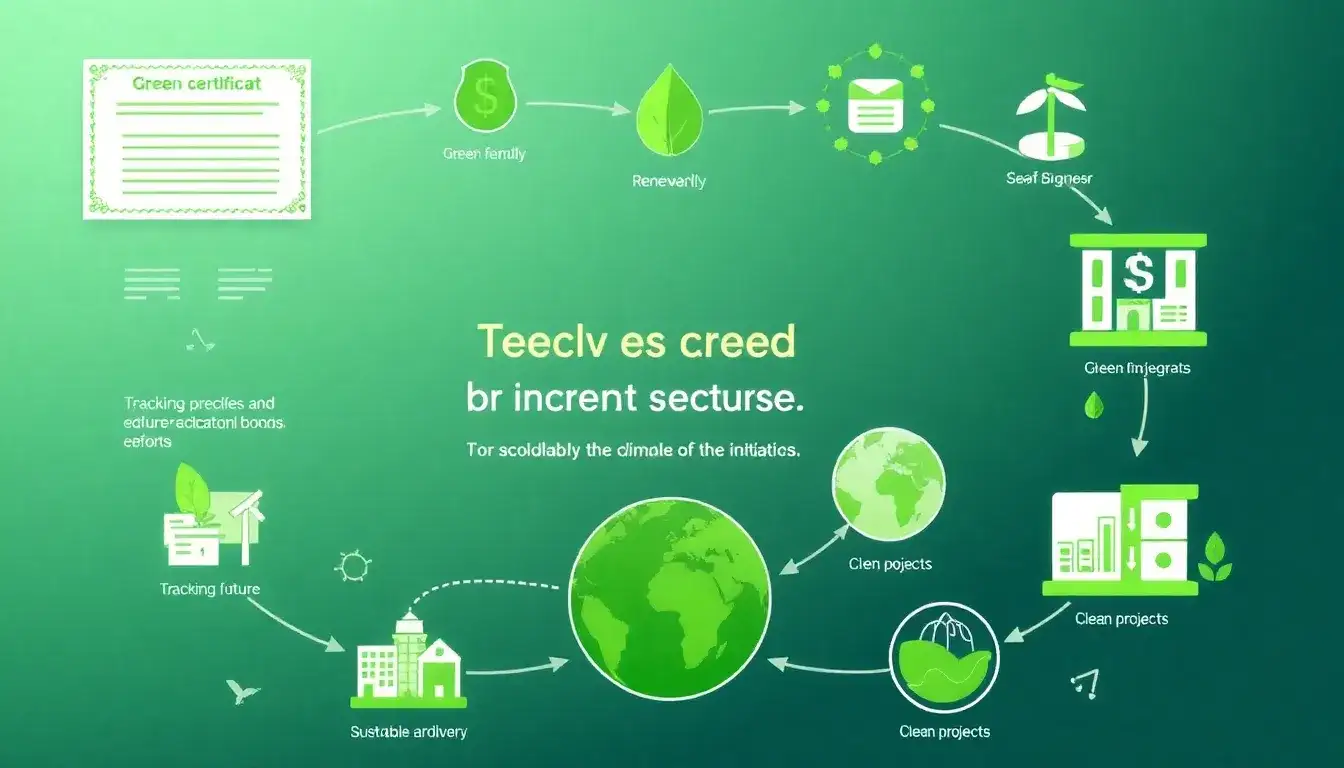
The Climate Bonds Initiative tracks the use of proceeds from green bonds through a rigorous screening process detailed in their Green Bond Database Methodology. Here’s how they manage this:
- Screening Criteria: They include only bonds that have 100% use of net proceeds for financing or refinancing green or environmental projects. This means all proceeds must be allocated towards projects like renewable energy, energy efficiency, or sustainable transport, among others.
- Climate Bonds Taxonomy: The bonds must be broadly aligned with the Climate Bonds Taxonomy. This taxonomy defines specific sectors and projects that can be considered “green,” excluding projects like “clean coal.”
- Public Disclosure: There must be sufficient public disclosure to verify that the financed assets or projects are indeed green. This includes information on the amount outstanding and settlement date.
- Evaluation Process: Beyond the label, they evaluate the assets and projects being financed to ensure they align with a trajectory to full decarbonisation by 2050.
- Certification: Bonds can be Certified under the Climate Bonds Standard, where an Approved Verifier assesses the green credentials against sector criteria to validate alignment with decarbonisation goals.
- Second Party Opinions: External review documents, such as second party opinions, are listed when available. These opinions can provide additional assurance regarding the green credentials of the bond.
By following this methodology, the Climate Bonds Initiative ensures that only bonds with genuine green projects are included in their database, providing transparency and accountability in the green bond market.
Original article by NenPower, If reposted, please credit the source: https://nenpower.com/blog/how-does-the-climate-bonds-initiative-track-the-use-of-proceeds-from-green-bonds/