

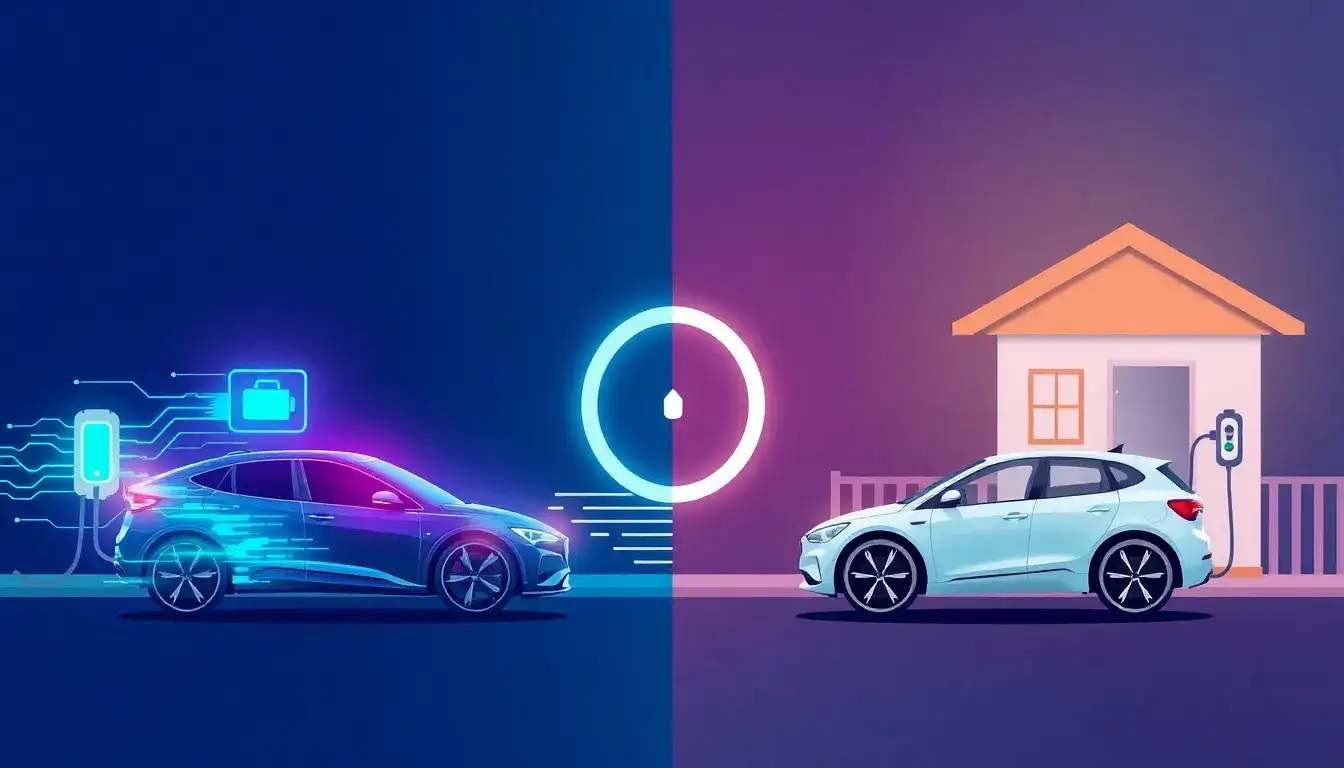
Charging Efficiency by Method
Charging Speed vs. Energy Consumption
- Fast charging (Level 3/DC) prioritizes speed, delivering 50–350+ kW to achieve 80% charge in 20–30 minutes. While fast charging stations are designed to maximize power delivery, the energy efficiency per session varies due to heat generation, which reduces charge acceptance rates at higher battery states (e.g., above 80% charge).
- Slow charging (Level 1/2) uses 3–22 kW over hours or days, minimizing heat and maintaining stable energy transfer efficiency. It avoids the “tapering effect” seen in fast charging, where efficiency drops as the battery nears full capacity.
Heat Generation and Efficiency Losses
Fast charging produces excess heat due to high current flow, forcing battery management systems to divert energy for cooling. This thermal stress can reduce net efficiency compared to slow charging, which operates at safer temperatures.
Use-Case Efficiency
- Fast charging excels in time efficiency, making it ideal for long trips or urgent needs.
- Slow charging optimizes energy efficiency and battery longevity, ideal for overnight or workplace charging.
| Feature | Fast Charging | Slow Charging |
|---|---|---|
| Speed | 20–30 mins (DC) / 4–6 hrs (Level 2) | 8–50+ hrs (Level 1) |
| Heat Output | High, affects efficiency | Low, stable efficiency |
| Best For | Urgent needs, travel | Routine use, battery health |
In summary, slow charging is more energy-efficient and gentler on batteries, while fast charging prioritizes speed at the cost of higher thermal losses.
Original article by NenPower, If reposted, please credit the source: https://nenpower.com/blog/how-does-the-charging-efficiency-differ-between-fast-charging-and-slow-charging/

