

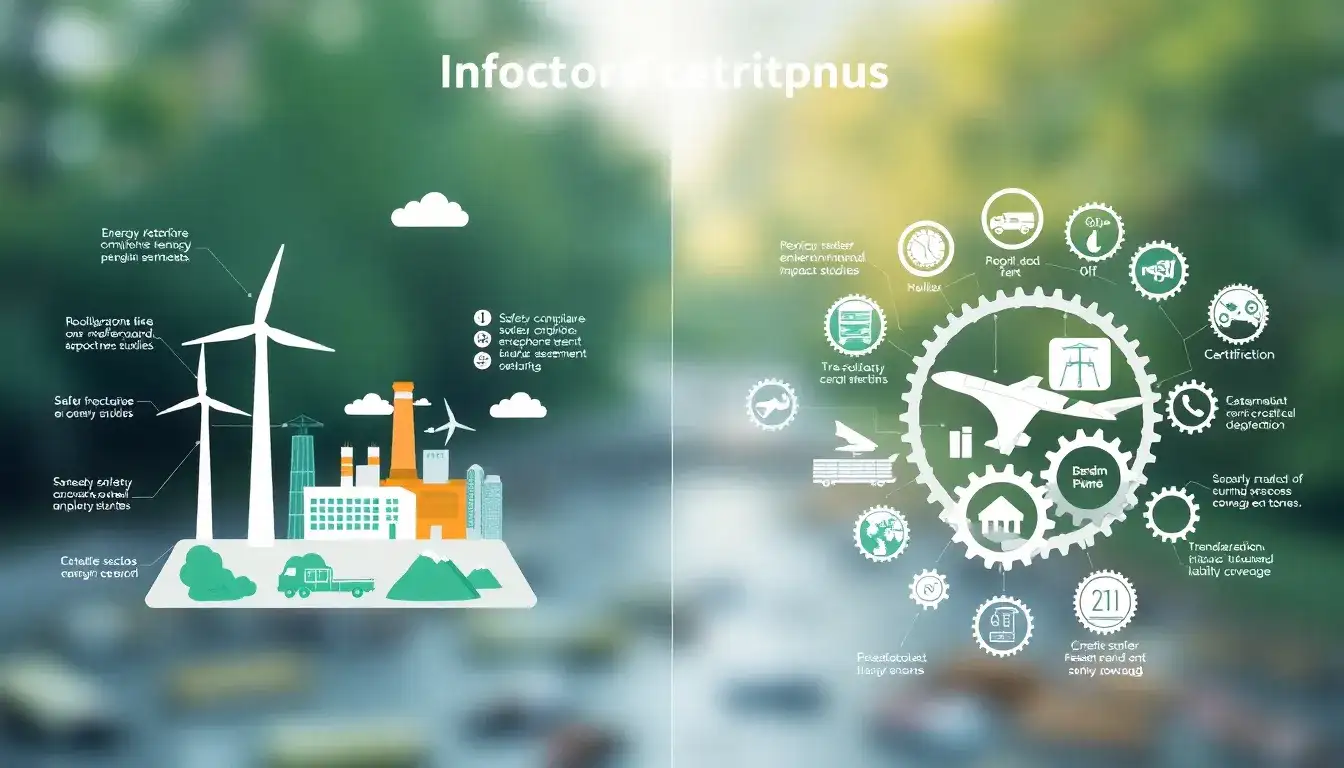
The certification process can vary significantly across different sectors such as energy and transport. Here are some key differences and considerations:
Certification Processes by Sector
Energy Sector
- Standards and Compliance: In the energy sector, certifications often focus on ensuring compliance with safety and environmental standards. For example, ISO 50001 is a standard for energy management systems, which involves certification to verify that organizations are implementing measures to improve energy efficiency and reduce energy consumption.
- Professional Certifications: Professionals in the energy sector may obtain certifications like those offered by the Certified Energy Manager (CEM) program, which assesses knowledge in energy management, energy accounting, and energy auditing.
- Industry-Specific Certifications: These certifications might include specialized trainings in solar energy installation or efficiency audits, and are typically provided by professional bodies or industry associations.
Transport Sector
- Safety and Compliance: In the transport sector, certifications are crucial for ensuring safety and compliance with regulations. For example, certifications for truck drivers or pilots must meet rigorous standards set by government agencies like the Federal Aviation Administration (FAA) or the Department of Transportation (DOT).
- Professional Certifications: Professionals in transport may obtain certifications like the Certified Transportation & Logistics (CTL) credential, which verifies expertise in logistics and supply chain management.
- Product-Specific Certifications: These certifications are common for equipment operators and maintenance personnel, ensuring they are proficient in handling specific vehicles or machinery.
Common Certification Process Elements
- Independent Assessment: Certification processes typically involve assessments conducted by neutral third-party bodies to ensure fairness and credibility.
- Eligibility Criteria: Candidates must meet specific eligibility criteria, such as education or experience, before they can apply for certification.
- Recertification Requirements: Most certifications require periodic recertification to ensure professionals stay up-to-date with industry developments and standards.
- Code of Ethics: Many certifications come with a professional code of ethics that certified individuals must adhere to.
Summary
In summary, while both energy and transport sectors require certifications that ensure safety, compliance, and professional competence, the specific standards, criteria, and process elements can vary significantly between the two. Understanding these differences is crucial for professionals seeking to enhance their qualifications or for organizations aiming to ensure quality standards in their operations.
Original article by NenPower, If reposted, please credit the source: https://nenpower.com/blog/how-does-the-certification-process-differ-for-various-sectors-like-energy-and-transport/

