

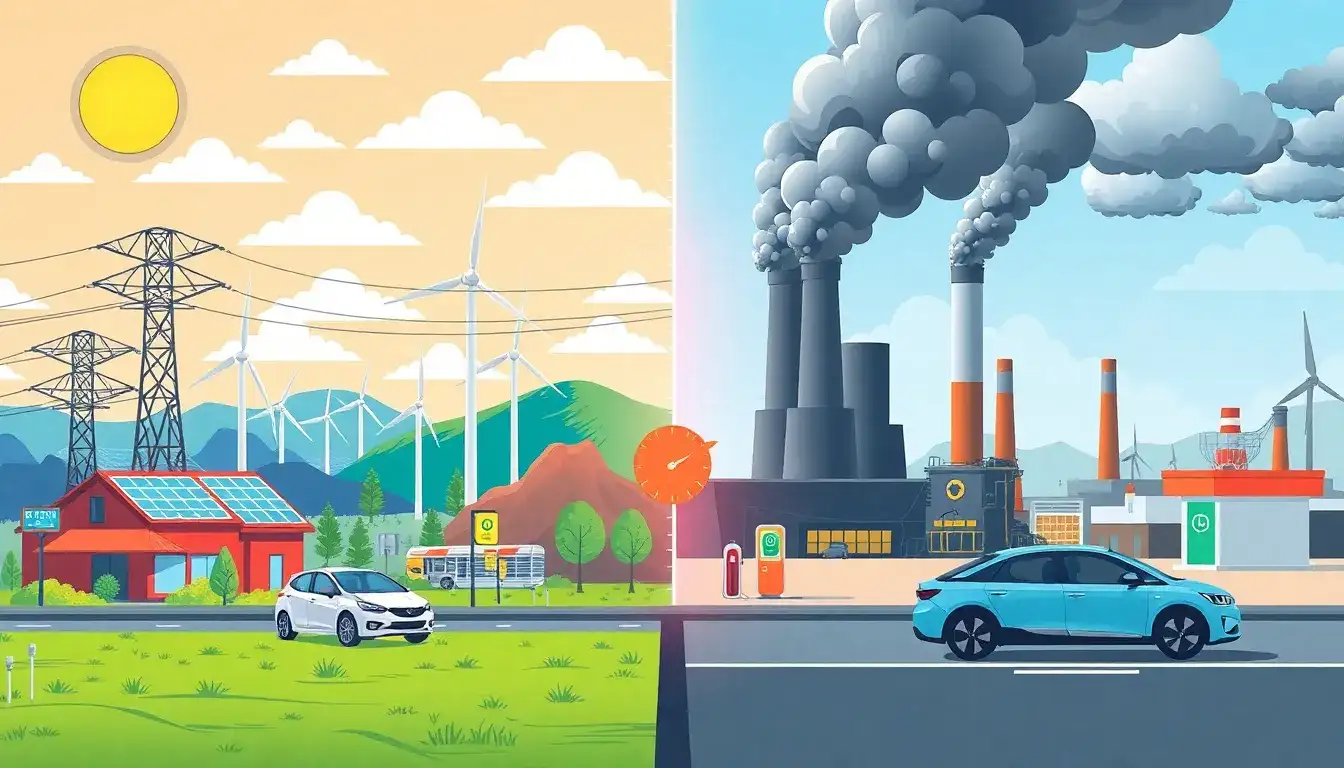
The carbon intensity of the electricity grid has a significant impact on the emissions of plug-in hybrid electric vehicles (PHEVs) because it determines the amount of CO2 associated with the electricity used to recharge their batteries.
How Carbon Intensity Affects PHEV Emissions
- PHEVs emit zero direct emissions when operating in all-electric mode, but their overall emissions depend on the source of the electricity they use for charging. If the grid electricity is generated from fossil fuels with high carbon emissions, PHEVs indirectly produce more CO2. Conversely, if the grid is cleaner (e.g., powered by renewables or low-carbon sources), the emissions associated with charging are much lower.
- Fuel-related emissions vary directly with grid carbon intensity. The cleaner the grid, the more emissions savings PHEVs achieve compared to conventional internal combustion engine vehicles (ICEVs).
- In regions with a low-carbon grid, PHEVs and battery electric vehicles (BEVs) can produce roughly one-third of the lifetime emissions of a conventional gasoline vehicle. This analysis accounts for both electric miles (charged from the grid) and gasoline miles (when the PHEV operates in hybrid mode).
- The overall CO2 emission reduction from PHEVs is also influenced by how often and how fully the battery is recharged from the grid. The more a PHEV is driven in charge-depleting mode (using grid electricity), the greater the reduction in lifetime emissions, provided the grid carbon intensity is low.
- According to the International Energy Agency, PHEVs purchased in 2023 produce about 30% less lifetime emissions than conventional ICEVs, a gap that depends in part on the carbon intensity of the grid where they are charged.
Summary
The carbon intensity of the grid electricity directly affects PHEV emissions because:
- A cleaner grid reduces the emissions from electricity used to charge the PHEV battery.
- Higher emissions grids increase the indirect CO2 from charging, diminishing the environmental benefits.
- PHEVs show greater emissions benefits in regions with low-carbon electricity and when driven more on electric power rather than gasoline.
Thus, the environmental advantage of PHEVs hinges on both their usage pattern and the carbon footprint of the electricity grid they rely on for charging.
Original article by NenPower, If reposted, please credit the source: https://nenpower.com/blog/how-does-the-carbon-intensity-of-the-grid-affect-phev-emissions/

