

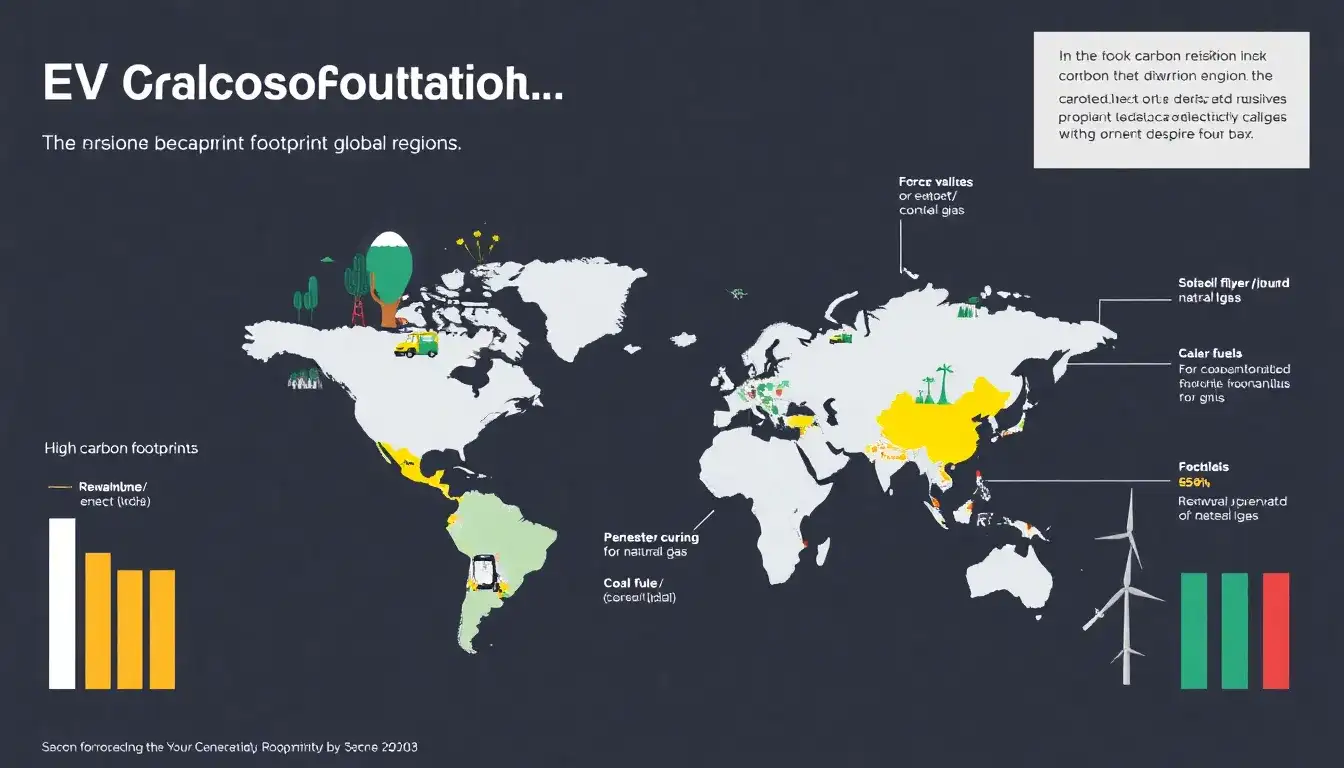
Regional Variations in EV Emissions
United States
- Grid-dependent emissions: BEVs produce 50–60% lower lifetime GHG emissions than gasoline cars in most states, with benefits rising as grids decarbonize.
- Trends: From 2011 to 2021, U.S. PEV emissions dropped from 187 to 110 grams CO₂/mile due to cleaner grids and improved vehicle efficiency.
- Key factor: States with high renewable energy (e.g., California) show greater emissions savings than coal-dependent regions.
Europe
- Lifetime emissions: BEVs emit 66–69% less than comparable gasoline vehicles, driven by a cleaner grid and higher renewable adoption.
- Policy impact: EU’s aggressive renewable targets and carbon pricing further accelerate grid decarbonization.
China
- Current performance: BEVs reduce emissions by 20–40% compared to hybrids (HEVs) and conventional vehicles (ICEVs), equating to ~5 tonnes CO₂-eq savings per vehicle.
- Grid challenges: Heavy coal reliance diminishes near-term benefits, but rapid renewable deployment is improving margins.
India
- Lower savings: BEVs reduce emissions by 19–34% vs. gasoline cars due to coal-dominated grids (~75% of generation).
- Future outlook: Grid decarbonization efforts could cut electricity emissions intensity by 40% by 2035, amplifying EV benefits.
- Additional benefit: BEVs reduce urban air pollution, aiding public health in cities like Mumbai.
Key Drivers of Variation
| Factor | Impact on EV Emissions |
|---|---|
| Grid carbon intensity | Higher coal share → higher EV emissions |
| Vehicle efficiency | Improved battery tech reduces lifecycle impacts |
| Annual mileage | Higher mileage increases absolute savings |
Global Outlook
As grids decarbonize, EV emissions will shrink further. For example, India’s grid improvements could triple current emissions savings by 2035, while U.S. and European grids under net-zero policies may push BEVs to near-zero lifecycle emissions by 2040.
Original article by NenPower, If reposted, please credit the source: https://nenpower.com/blog/how-does-the-carbon-footprint-of-evs-vary-by-region-due-to-different-energy-mixes/

