

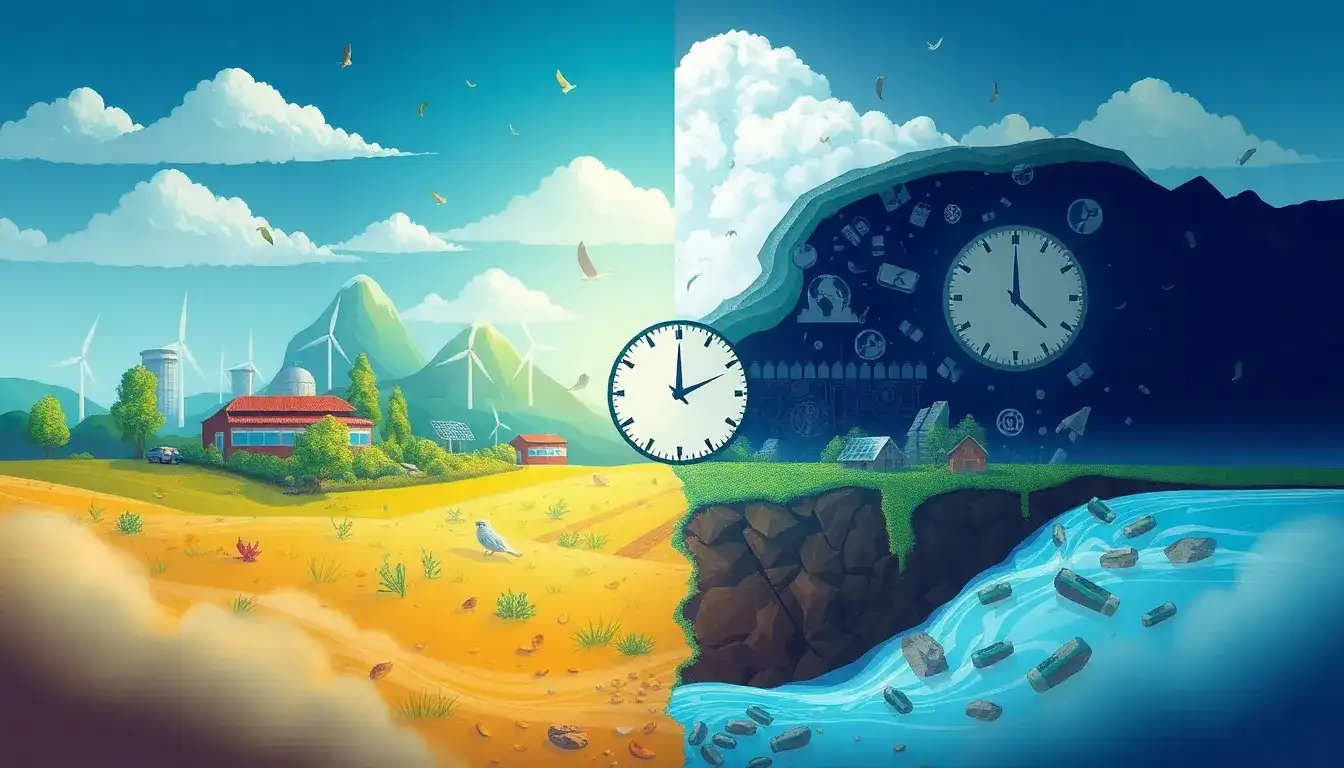
Capacity fade in lithium-ion batteries affects their long-term environmental sustainability in several ways:
Environmental Impact of Capacity Fade
- Resource Usage and Waste Generation:
- Battery Replacement: As batteries degrade, they require more frequent replacements to maintain performance. This increases the demand for new battery materials, contributing to more mining activities for metals like lithium, nickel, and cobalt. The extraction of these metals involves environmental costs such as water pollution and habitat destruction.
- Waste Management: The more frequent replacement of batteries also generates more waste. Improper disposal of lithium-ion batteries can lead to environmental contamination through chemical leakage.
- Energy Efficiency and Emissions:
- Efficiency Reduction: As batteries lose capacity, devices may consume more energy to compensate for the reduced battery life, leading to increased greenhouse gas emissions, especially if the energy is sourced from fossil fuels.
- Increased Production Emissions: The manufacturing process for new batteries to replace degraded ones requires energy and resources, contributing to emissions during production.
- Recycling Challenges:
- Complexity of Recycling: The complexity of lithium-ion batteries can make recycling more difficult. While recycling technology improves, the capacity fade issue increases the urgency for efficient recycling methods to recover valuable materials and reduce waste.
- Impact on Renewable Energy Systems:
- Effect on Energy Storage: In renewable energy systems, battery capacity fade can reduce the effectiveness of energy storage, potentially increasing reliance on non-renewable energy sources during periods of low generation from solar or wind power.
Mitigating the Environmental Impact
To improve the environmental sustainability of lithium-ion batteries despite capacity fade, several strategies can be employed:
- Improving Manufacturing Efficiency: Enhancing battery design and materials to reduce capacity loss over time.
- Advanced Recycling Techniques: Developing effective recycling technologies to recover valuable materials from spent batteries.
- Energy Efficiency Improvements: Implementing technologies or practices that optimize energy use in devices to reduce the impact of decreased battery efficiency.
- Alternative Battery Technologies: Exploring new battery chemistries and technologies that are more sustainable and efficient over their lifecycle.
By addressing these challenges and improving battery longevity and recycling, the environmental footprint of lithium-ion batteries can be reduced, contributing to a more sustainable future for energy storage.
Original article by NenPower, If reposted, please credit the source: https://nenpower.com/blog/how-does-the-capacity-fade-of-lithium-ion-batteries-affect-their-long-term-environmental-sustainability/

