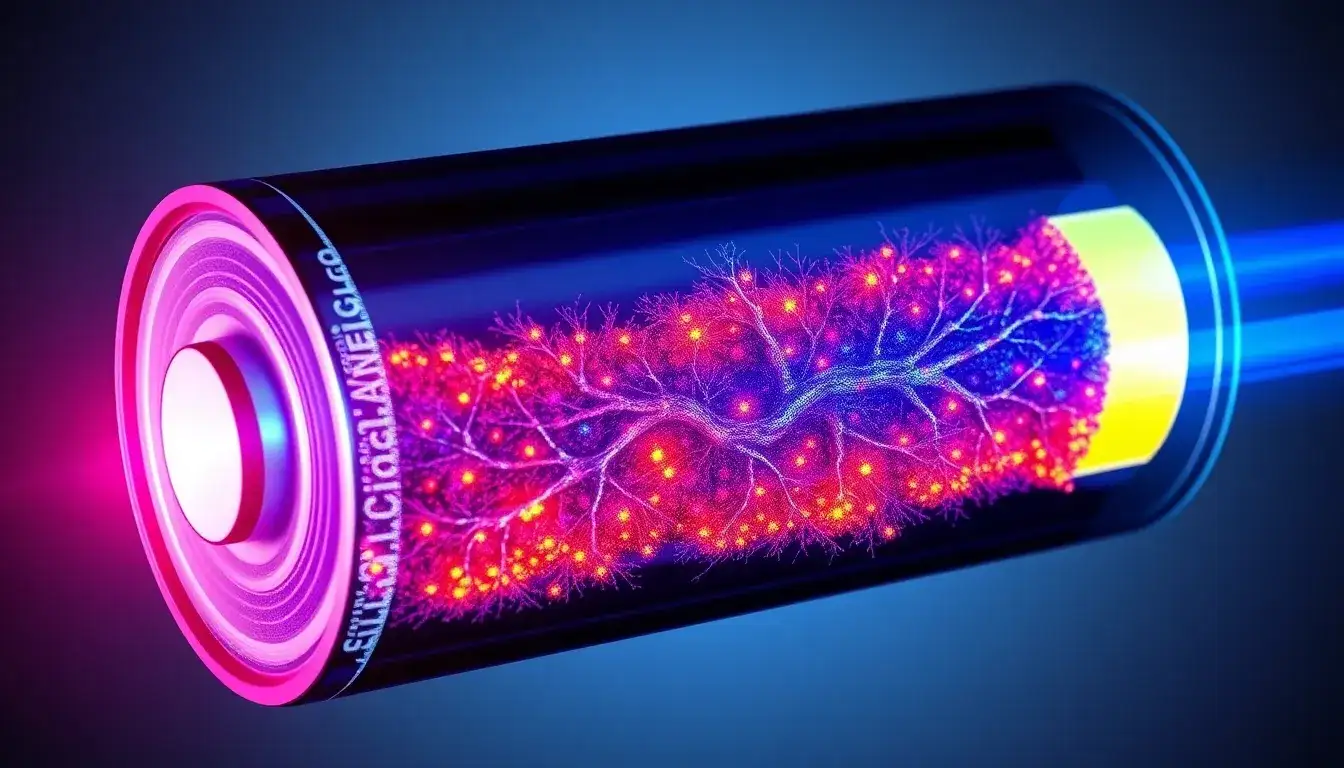
The C-rate, which represents the rate of charge or discharge relative to the battery’s capacity, significantly influences the formation of dendrites in lithium-based batteries. Dendrites are root-like structures of pure lithium that can form on the anode during charging, leading to internal short circuits, cell failure, and potential fires.
Influence of C-Rate on Dendrite Formation
- Higher C-Rates: A higher C-rate increases the likelihood of dendrite formation exponentially. This is because faster charging increases the accumulation of lithium ions on the anode surface, which can exceed the anode’s ability to absorb them, promoting dendrite growth.
- Lower C-Rates: Conversely, lower C-rates reduce the rate of dendrite formation. This is because slower charging allows more time for lithium ions to be absorbed into the anode, minimizing the accumulation that leads to dendrite formation.
- Mitigation Strategies: Recent studies suggest that strategies like electric field relaxation after charging can help manipulate dendrite morphology and improve battery safety and performance, even at higher C-rates.
Key Takeaways
- Faster Charging: While faster charging is desirable for applications like electric vehicles, it poses safety risks due to increased dendrite formation.
- Safety and Performance: Balancing charging speed with safety requires innovative solutions, such as controlled C-rates and advanced battery architectures that mitigate dendrite growth.
In summary, the C-rate plays a critical role in dendrite formation, with higher rates exacerbating the issue and lower rates alleviating it. Innovative strategies are needed to manage dendrite growth effectively while maintaining performance.
Original article by NenPower, If reposted, please credit the source: https://nenpower.com/blog/how-does-the-c-rate-influence-the-formation-of-dendrites-in-batteries/