

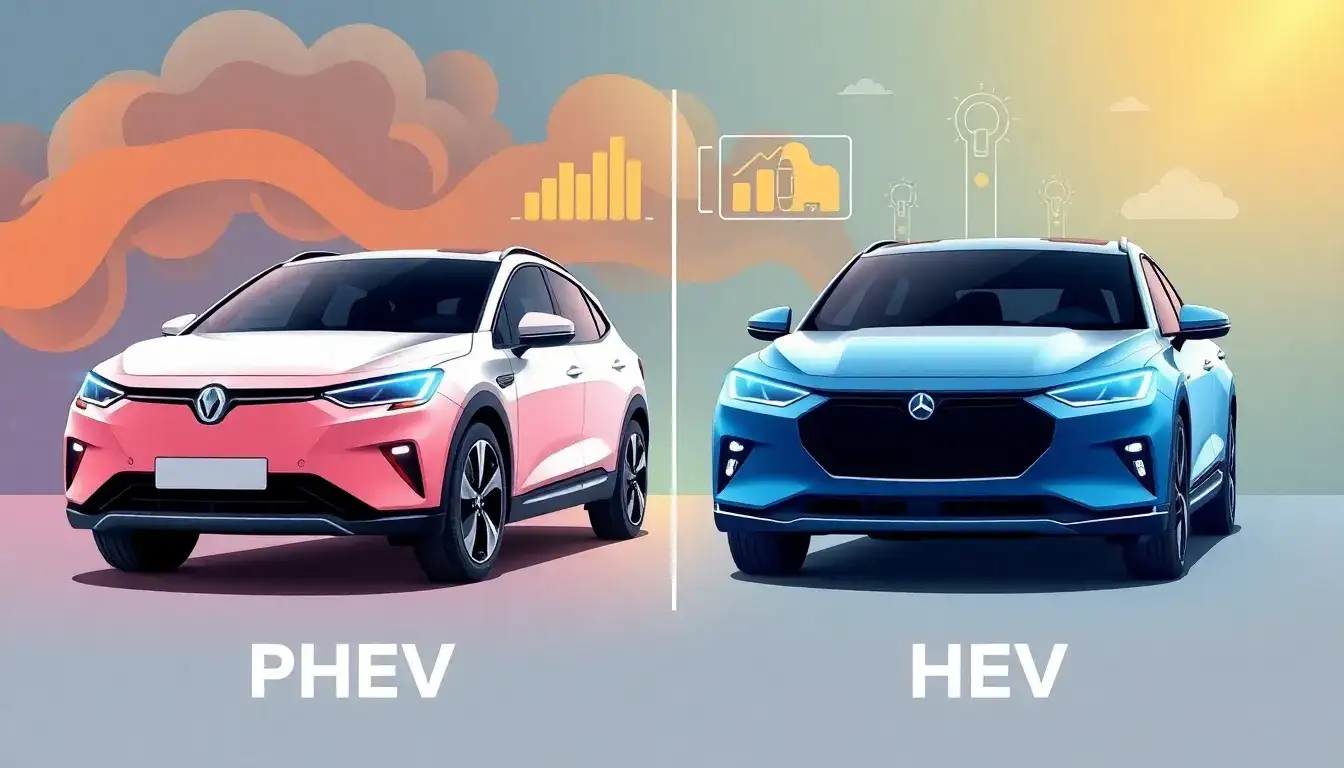
The battery size of plug-in hybrid electric vehicles (PHEVs) significantly influences their overall emissions compared to hybrid electric vehicles (HEVs), depending on charging frequency and driving patterns:
1. Frequent charging scenarios
With smaller batteries (e.g., ≤25-mile range) and daily charging, PHEVs achieve lower lifetime greenhouse gas emissions than HEVs. The reduced battery weight improves electrical efficiency, while regular grid charging displaces gasoline use. Under these conditions, small-battery PHEVs can outperform HEVs in both emissions and cost.
2. Infrequent charging scenarios
Larger PHEV batteries become counterproductive without regular charging. Heavier batteries increase energy consumption in gasoline mode, eroding efficiency gains. In these cases, HEVs often become more emissions-competitive and cost-effective.
3. Grid dependence
PHEV emissions benefits are contingent on grid cleanliness. While modern PHEVs reduce lifecycle emissions by ~46% compared to ICE vehicles, their advantage over HEVs diminishes in regions with high grid emissions unless charged frequently. HEVs maintain consistent emissions regardless of grid conditions.
Key comparison
| Factor | Small-Battery PHEV | Large-Battery PHEV | HEV |
|---|---|---|---|
| Emissions (frequent charging) | Lowest | Moderate | High |
| Emissions (infrequent charging) | Moderate | Highest | Moderate |
| Critical mineral demand | Low | High | None |
| Grid dependence | High | Very High | None |
Optimal PHEV battery sizing balances projected charging frequency with local grid emissions. HEVs remain preferable for drivers unable to charge regularly.
Original article by NenPower, If reposted, please credit the source: https://nenpower.com/blog/how-does-the-battery-size-of-phevs-affect-their-overall-emissions-compared-to-hevs/

