

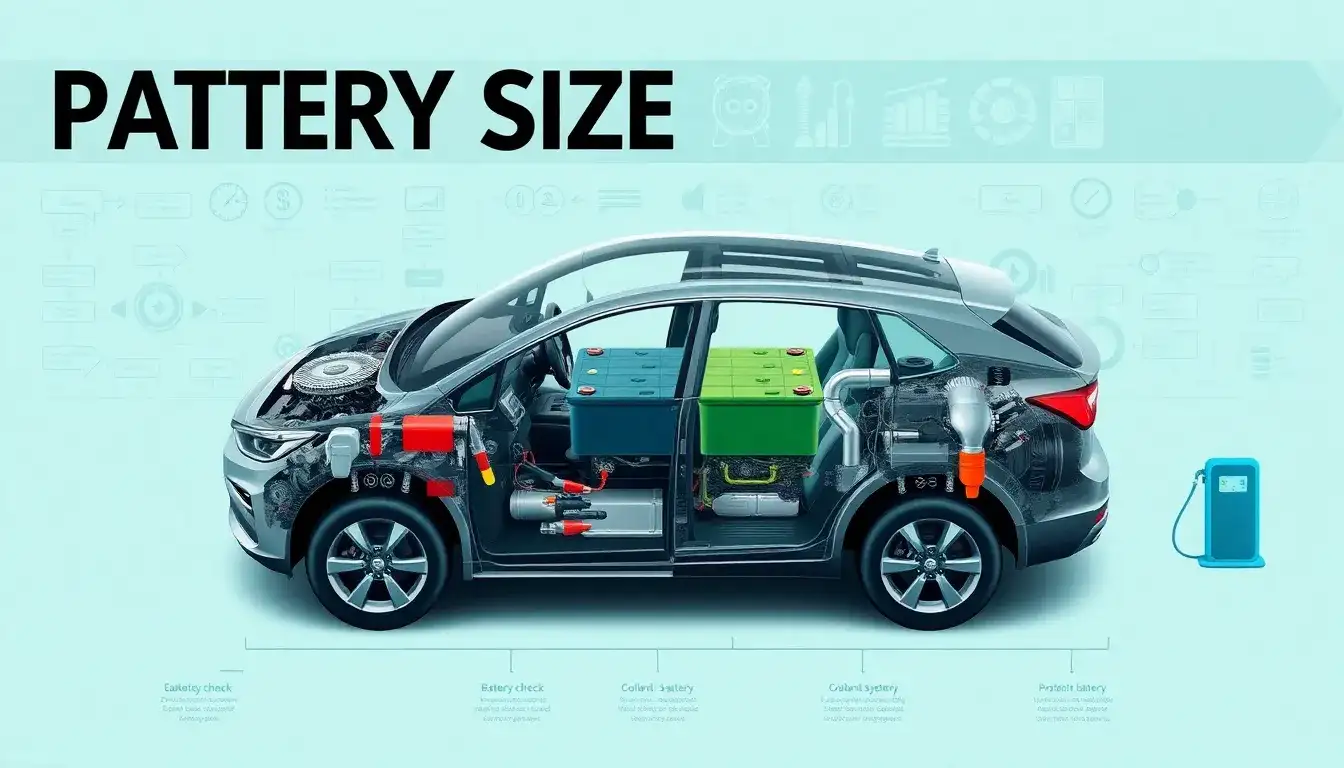
The battery size of a Plug-in Hybrid Electric Vehicle (PHEV) can influence its maintenance requirements, though indirectly, as larger batteries affect vehicle design, cooling needs, and overall system complexity.
Influence of Battery Size on Maintenance Requirements
- Cooling Systems and Temperature Management:
- Larger batteries generate more heat, potentially requiring more sophisticated cooling systems (such as liquid cooling) to manage temperatures optimal for battery health. Regular checks of these cooling systems may be necessary.
- Smaller batteries might use simpler cooling systems, reducing the complexity of maintenance tasks related to battery temperature control.
- Electrical System Complexity:
- Vehicles with larger batteries often have more complex electrical systems to manage the battery and the additional power it provides. This complexity could increase the need for specialized tools or expertise during maintenance, though routine tasks like battery balancing are typically managed by onboard systems.
- Regenerative Braking and Wear:
- Larger batteries can handle more regenerative braking, which reduces brake wear on conventional brakes compared to non-electric vehicles. However, this does not directly add to maintenance complexity but rather reduces it in other areas (e.g., brake pad replacements).
- Charging Habits and Fast Charging:
- Larger batteries may require longer charging times or more charging cycles, potentially leading to more frequent interactions with charging infrastructure. While fast charging can be convenient, it can also reduce battery life, especially if done frequently.
- Smaller batteries might charge faster, but repeated quick charging can still be detrimental to battery health.
- Overall Vehicle Design:
- Larger batteries can affect the overall design and weight distribution of the vehicle. This might influence maintenance tasks such as tire rotation or suspension checks due to different load conditions.
General Maintenance
- General Vehicle Maintenance: PHEVs generally require similar maintenance to conventional vehicles (oil changes, tire rotations), but electrical system maintenance is typically minimal.
- Battery Health: Keeping the battery state of charge between 20% and 80%, minimizing extreme temperatures, and avoiding frequent fast charging are beneficial practices for extending battery life, regardless of battery size.
In summary, while the size of a PHEV’s battery influences certain aspects of its maintenance—such as cooling systems and charging habits—the core maintenance requirements remain similar to those of conventional vehicles with minimal electric system checks needed.
Original article by NenPower, If reposted, please credit the source: https://nenpower.com/blog/how-does-the-battery-size-influence-the-maintenance-requirements-of-phevs/

