

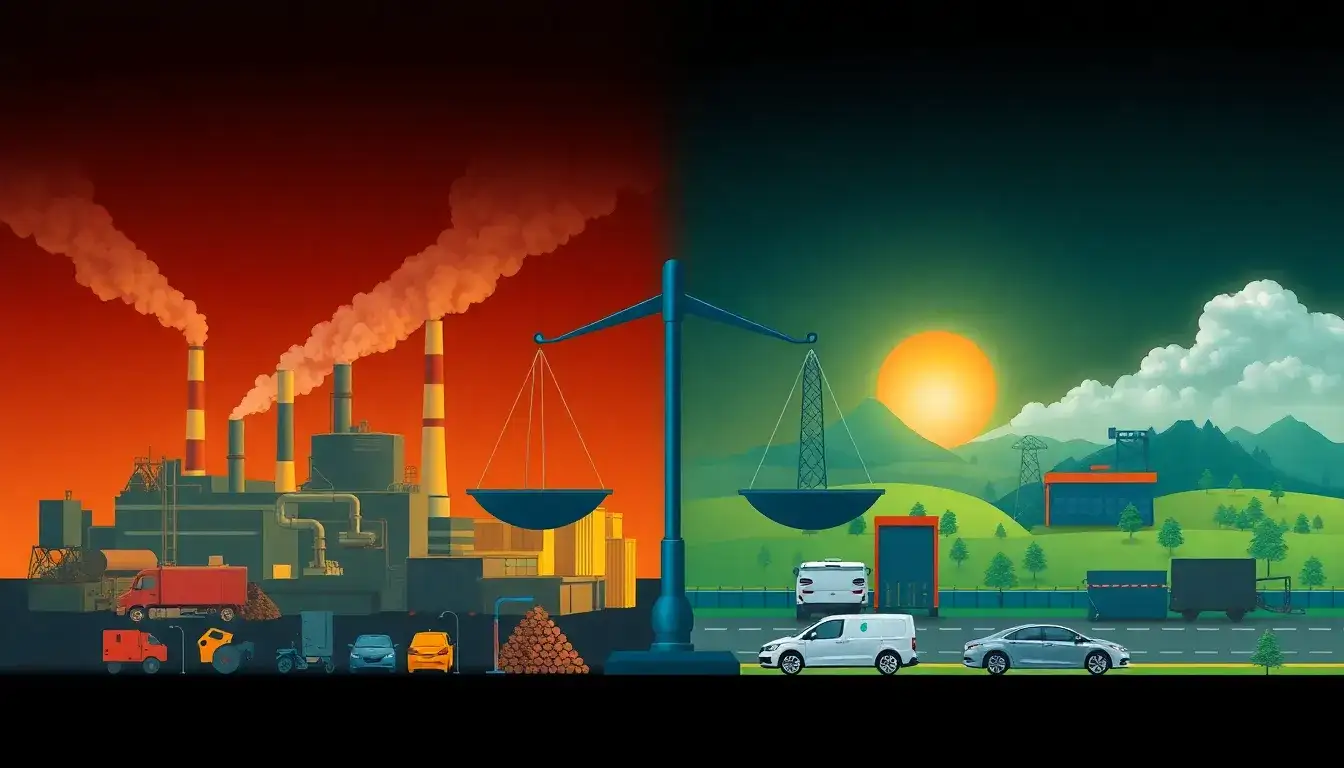
The battery production impact on emissions varies significantly between plug-in hybrid electric vehicles (PHEVs) and hybrid electric vehicles (HEVs), influencing their lifecycle carbon footprints:
Battery Production Emissions
- PHEVs:
- Smaller batteries (typically 1/6th the size of BEV batteries) result in lower production-related emissions compared to full electric vehicles.
- Contributes less upfront emissions due to reduced raw material use (e.g., lithium, cobalt), lowering mineral dependency.
- HEVs:
- Use even smaller batteries than PHEVs, minimizing production emissions.
- Their lifecycle emissions remain closer to conventional petrol vehicles, as they rely more on combustion engines and lack plug-in charging.
Lifecycle Emissions Comparison
- PHEVs:
- 30–46% lifetime emissions reduction vs. internal combustion engine vehicles (ICEVs), depending on driving habits and charging frequency.
- Real-world emissions are 3.5× higher than lab estimates when not charged adequately, but still outperform HEVs in grid-decarbonizing regions.
- HEVs:
- 23% cleaner than petrol equivalents by 2030, but lag behind PHEVs and BEVs due to limited electrification.
- No plug-in capability restricts their ability to leverage cleaner grid energy.
Key Factors
- Battery size: Smaller batteries in PHEVs/HEVs reduce mining impacts but limit zero-emission range.
- Grid reliance: PHEVs benefit more from renewable energy adoption over time, while HEVs remain tied to fuel efficiency gains.
- Usage patterns: Frequent charging improves PHEV performance, but real-world data shows suboptimal adoption, increasing emissions.
In summary, battery production for PHEVs/HEVs accounts for a smaller share of lifecycle emissions compared to BEVs, but their overall climate impact hinges on how effectively they balance battery use with fossil-fuel reliance. HEVs offer marginal improvements over ICEVs, while PHEVs bridge the gap between HEVs and BEVs—especially in regions with slower grid decarbonization.
Original article by NenPower, If reposted, please credit the source: https://nenpower.com/blog/how-does-the-battery-production-impact-the-emissions-of-phevs-and-hevs/

