

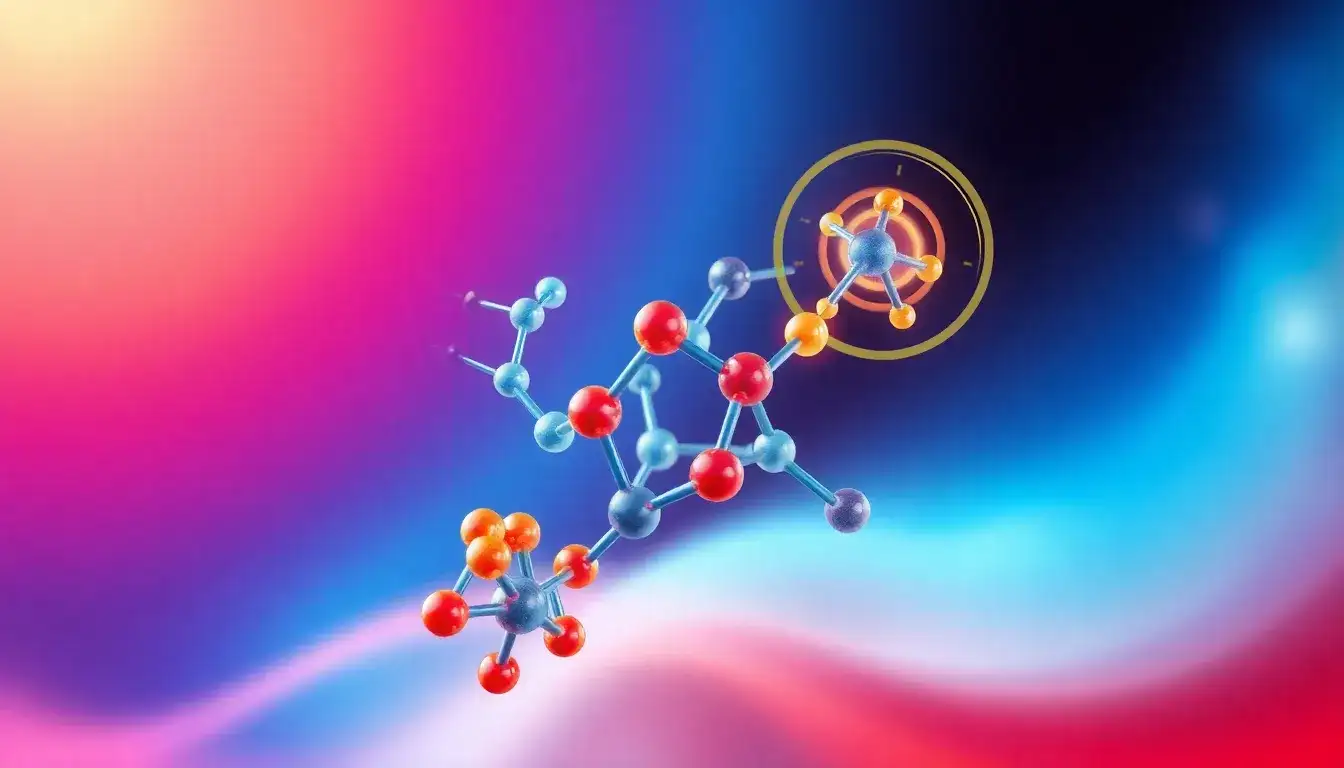
The addition of carboranes, specifically ortho-carborane (o-CB, C₂B₁₀H₁₂), enhances the thermal stability of perovskite materials, particularly mixed tin-lead (Sn-Pb) perovskites, through several key mechanisms:
Enhanced Thermal Conductivity and Heat Dissipation
- Perovskite materials, especially mixed Sn-Pb types, typically have poor thermal conductivity which leads to heat accumulation within the absorber layer. This heat buildup accelerates thermal degradation and decreases device longevity.
- Carboranes are electron-delocalized carbon-boron clusters known for their exceptional heat transfer capability. Their molecular structure allows electrons to move freely and spread over a larger region, improving thermal conductivity within the perovskite layer.
- Incorporation of ortho-carborane into the perovskite precursor results in improved heat dissipation, as observed by faster cooling rates and slower heating in treated films compared to pristine ones. This reduces the peak temperatures reached during operation and thus slows thermal degradation.
Chemical Stability and Suppression of Interfacial Degradation
- Ortho-carborane also acts as a chemical barrier between the perovskite layer and adjacent acidic layers such as PEDOT:PSS (a common hole transport layer), which are prone to inducing degradation at elevated temperatures.
- This physical isolation prevents direct chemical attack and stabilizes the interfaces within the solar cell, contributing to improved overall thermal stability and device lifespan.
Improved Perovskite Crystallization and Reduced Non-Radiative Recombination
- The presence of carboranes enhances the crystallinity of the perovskite films. Better crystallization generally correlates with fewer defects and grain boundaries, which are conduits for degradation.
- Improved film quality reduces non-radiative recombination losses, indirectly supporting device stability and efficiency under thermal stress.
Experimental Evidence of Thermal Stability Improvement
- X-ray diffraction studies show that perovskite films with carborane exhibit significantly lower degradation (e.g., less PbI₂ formation) after heat treatment at temperatures up to 150°C for several hours, compared to pristine films.
- Solar cells incorporating ortho-carborane retain about 90% of their initial power conversion efficiency (PCE) after 1000 hours of continuous operation at elevated temperature, whereas untreated cells often drop below 62% efficiency in much shorter times.
- Thermal imaging and simulations confirm lower operational temperatures in carborane-treated cells, reinforcing the role of enhanced heat regulation.
Summary Table
| Feature | Effect of Carborane Addition |
|---|---|
| Thermal Conductivity | Increased, enabling efficient heat dissipation |
| Chemical Stability | Prevents direct perovskite-HTL contact, reducing degradation |
| Crystallization | Improved perovskite film quality and morphology |
| Device Stability | Longer operational lifetime and higher retention of efficiency under heat stress |
| Thermal Regulation | Lower peak and average operational temperatures |
| Efficiency Impact | Facilitates high PCEs (~23.4% for single junction, >27% for tandem cells) |
In conclusion, carboranes enhance the thermal stability of perovskite materials primarily by improving heat transfer and dissipation, chemically isolating sensitive interfaces, and promoting superior film crystallinity. These factors collectively reduce thermal degradation pathways, enabling perovskite solar cells with higher efficiency retention and longer operational lifetimes under elevated temperatures typical of real-world conditions.
Original article by NenPower, If reposted, please credit the source: https://nenpower.com/blog/how-does-the-addition-of-carboranes-enhance-the-thermal-stability-of-perovskite-materials/

