

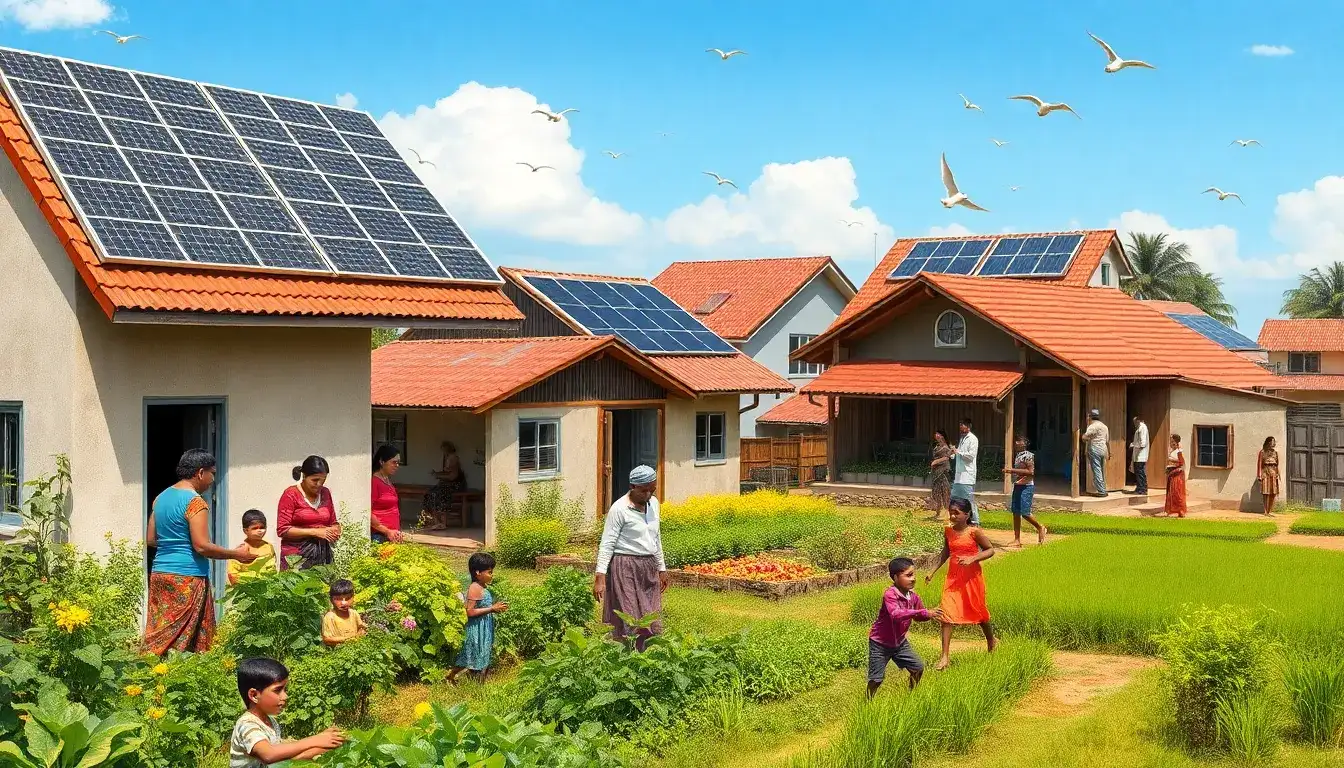
Solar energy significantly improves public health in rural communities by providing reliable, sustainable, and clean electricity that addresses critical healthcare challenges commonly faced in these areas.
Key Ways Solar Energy Enhances Public Health in Rural Communities
1. Reliable Power Supply for Health Facilities
Many rural healthcare facilities suffer from limited or unreliable electricity access, which compromises their ability to deliver consistent medical services. Solar energy systems enable these facilities—clinics, hospitals, and health posts—to generate their own electricity independently of unreliable grids or costly diesel generators. This ensures continuous operation of essential medical equipment and services.
2. Vaccine and Medicine Refrigeration
Proper storage of vaccines and many medicines requires refrigeration. Solar-powered refrigerators are critical in rural health posts where grid electricity is unavailable. For example, in Ethiopia, solar refrigerators have been installed in 10,000 community health posts to securely store vaccines, supporting immunization programs essential for disease prevention.
3. Operation of Medical Equipment
Solar energy provides the electricity needed to power a broad range of medical devices vital for diagnostics and treatment, such as lighting, ultrasound machines, incubators, sterilization tools, ventilators, and diagnostic devices. This enables rural healthcare providers to deliver comprehensive, quality care that was previously unattainable due to power limitations.
4. Support for Emergency and Continuous Care
With solar panels combined with battery storage, rural health centers can maintain power during outages or low sunlight periods. This energy resilience is crucial for uninterrupted medical care, particularly in emergencies, enhancing survival rates and health outcomes.
5. Enabling Telemedicine and Mobile Health Units
Solar power supports communication technologies like telemedicine, allowing rural communities to access specialist consultations and remote health monitoring. It also powers mobile healthcare units that travel to remote areas, broadening access to health services.
6. Environmental and Economic Benefits
By replacing diesel generators and reducing dependency on fossil fuels, solar energy improves air quality—important for respiratory health in communities—and reduces operational costs for healthcare facilities. This allows resources to be redirected towards patient care and community health programs.
In summary, solar energy improves public health in rural communities by ensuring reliable electricity for healthcare facilities, enhancing vaccine storage, powering critical medical devices, supporting continuous and emergency care, enabling telemedicine, and contributing to cleaner environments. These benefits collectively transform healthcare delivery and health outcomes in underserved rural areas.
Original article by NenPower, If reposted, please credit the source: https://nenpower.com/blog/how-does-solar-energy-improve-public-health-in-rural-communities/

