

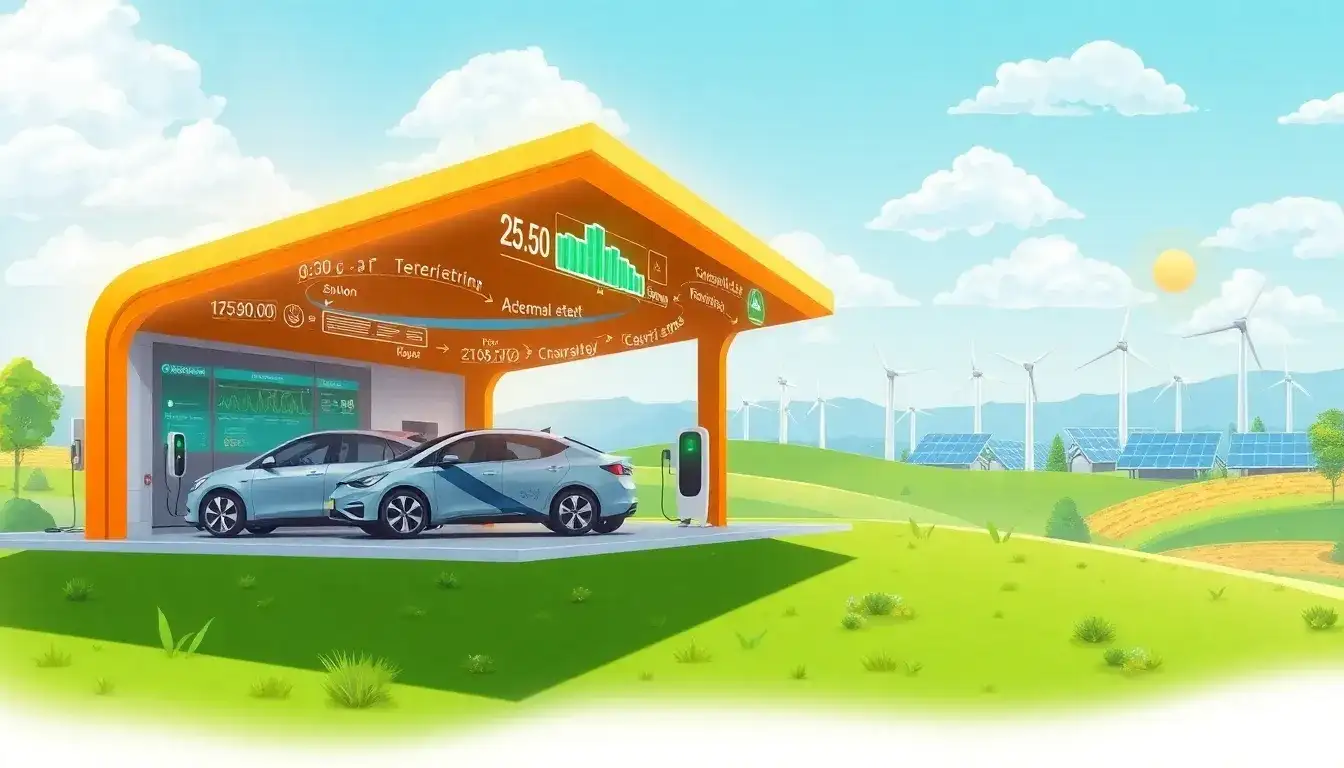
Smart charging technology optimizes the use of renewable energy for electric vehicle (EV) charging by dynamically adjusting when and how much energy an EV draws from the grid based on real-time conditions of energy supply and demand. Here’s how it works and the benefits it provides:
How Smart Charging Integrates Renewable Energy
- Charging Timing Flexibility: EVs are typically plugged in for longer than necessary to fully charge, such as when parked at home or work. Smart charging leverages this by scheduling EV charging sessions during periods when renewable energy generation (like solar or wind power) is abundant, rather than charging immediately or at fixed times regardless of the energy source availability. This alignment helps maximize the consumption of clean energy.
- Grid-Responsive Charging: The technology uses cloud-based systems to remotely regulate the charging rate of EVs, taking into account the current state of the electricity grid, energy prices, and renewable energy output. By charging more during times of low grid demand and high renewable supply, smart charging reduces strain on the grid and lowers costs for EV owners.
- Energy Management at Charging Sites: Some smart charging implementations, such as those by ElaadNL in the Netherlands, include integrating on-site renewable energy generation (solar and wind), local storage batteries, and smart meters at each charging point. This setup allows precise monitoring and control, ensuring EVs are charged preferentially using green energy while also managing the overall energy demand and quality on the site.
Benefits for Renewable Energy Optimization
- Increased Renewable Energy Utilization: By matching EV charging to times when renewable energy supply is high, smart charging increases the share of green power used for transportation, reducing reliance on fossil-fueled electricity.
- Grid Load Balancing: Smart charging helps shave peak electricity demand by deferring or modulating EV charging during grid stress periods, facilitating smoother integration of variable renewable sources like solar and wind.
- Cost Efficiency: Adjusting charging based on energy availability and price signals results in cheaper charging for consumers, incentivizing EV adoption and renewable energy use simultaneously.
- Scalability for Future Energy Systems: As renewable energy penetration rises, smart charging builds a flexible, greener energy system foundation by making EVs part of an integrated demand response network, ensuring that EV charging supports rather than stresses the electricity infrastructure.
In summary, smart charging technology optimizes renewable energy use by enabling controlled, flexible EV charging that aligns with renewable generation patterns and grid conditions, thereby supporting a cleaner, more reliable, and cost-effective energy ecosystem for electric transportation.
Original article by NenPower, If reposted, please credit the source: https://nenpower.com/blog/how-does-smart-charging-technology-optimize-the-use-of-renewable-energy-for-ev-charging/

